


Protect your walls this season

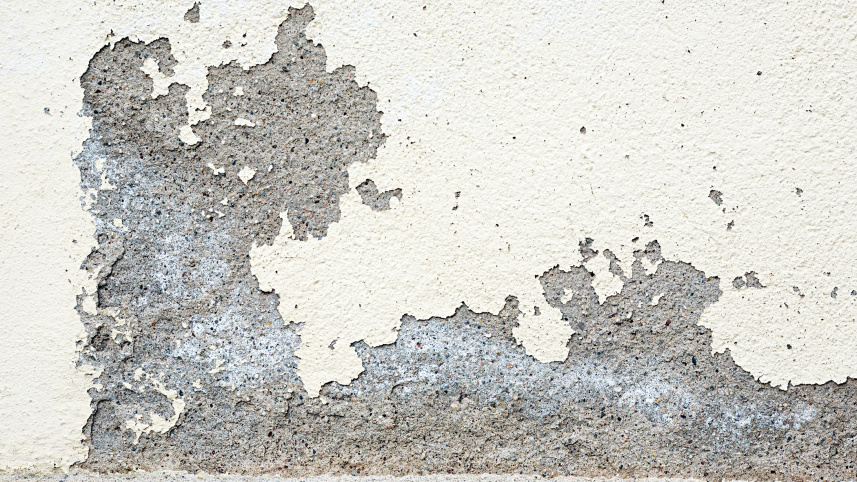
In Bangladesh, our homes don’t just face the weather; they fight a seasonal war. Between the relentless humidity of the summer and the torrential downpours of the monsoon, moisture is the silent enemy. We spend lakhs on premium tiles and imported furniture, only to see salt efflorescence and dampness—eat through our investment within a few years. That’s a common scenario if you take a look at the buildings when you walk down the roads.
If you’re tired of the musty smells and the sight of peeling plaster, it’s time to stop treating the symptoms and start curing the house. Here is everything you need to know about building and maintaining a damp-proof home in the world’s most humid climate.

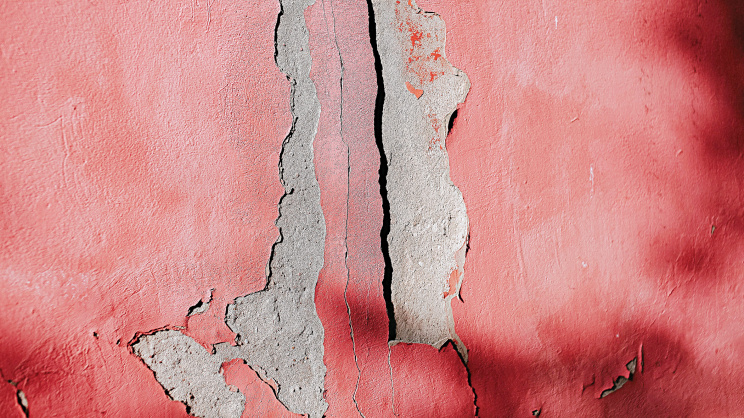
DETECT THE EARLY WARNING SIGNS
Dampness almost works like an iceberg. By the time you see it on the surface, the damage inside the wall is already done. Before you reach for a fresh coat of paint, look for these signs:
- If you notice a faint, earthy smell when you first walk into a room after it’s been closed all night, moisture is trapped in your walls or furniture.
- If bubble appears on the walls that isn’t just a “bad paint job.” It’s water vapor trapped behind the paint film trying to escape. If you pop a bubble and it feels damp, you have a leak.
- You can easily detect the salt attack if you see those white, powdery salt crystals on your bricks. Those are the classic sign of “rising damp.” Ground salts are being pulled up through the wall, destroying the plaster’s bond.
- Look at the base of your walls. If you see a visible line of discoloration that’s an indication that your home is literally “drinking” water from the soil.
PRE-MONSOON AUDIT IS A MUST
Before the heavy rains hit in during June-September period, you need to perform a structural audit. Grab a ladder and a flashlight, and check these five spots:
1. The Roof (Terrace) Slope: Flat roofs acts like dampness magnets. Check if water pools anywhere. Even a small puddle can eventually seep through 6 inches of concrete.
2. Check the AC and internet pipe outlets: This is the most ignored entry point. Check the holes where AC pipes go through the wall. Often, they are filled with cheap putty that shrinks, allowing rain to blow directly into your bedroom walls.
3. Do the “Hollow Sound” Test: Tap your lower walls with your knuckles. If it sounds hollow or crunchy, the plaster has already detached from the brick. No amount of paint will fix this; the plaster must be replaced.
4. Window Caulking: Bangladesh’s driving rains can push water through the tiny gaps between your aluminum window frames and the wall. If the silicone seal is cracked, your walls will stay damp all season.
5. External Drainage: Ensure your building’s drainage pipes aren’t splashing directly against the outer wall. Constant splashing can saturate a brick wall in a single afternoon.
DO THE DAMP PROOFING
For Existing Homes:
- For rising damp, professionals can drill small holes at the base of your wall and inject a “Siliconate” fluid. This creates a chemical barrier that stops water from climbing up.
- Don’t use regular putty. Use specialized products like Berger Damp-Stop Advance or Asian Paints SmartCare. These are heavy-duty, fiber-reinforced membranes that act like a raincoat for your wall.
- For severe cases, the old plaster must be hacked off. Apply a layer of waterproof cement (mixed with a chemical like Dr. Fixit or Sika) directly to the bricks before replastering.
 For all latest news, follow The Daily Star's Google News channel.
 FOR NEW CONSTRUCTION
- Insist that your contractor uses a thick plastic sheet or a bituminous coating at the plinth level. This is the single most important 1% of your construction cost, it acts as a dam against ground moisture.
- Don’t just use plain concrete for your roof. Add a waterproofing liquid directly into the concrete mixer (RMC). It makes the concrete “hydrophobic,” meaning it repels water rather than absorbing it.
In a country like Bangladesh, dampness isn’t just a cosmetic issue; it’s a health hazard. Damp walls host mold spores that trigger asthma and skin allergies, which are incredibly common in our humid cities. If you are buying a new apartment, always visit it during the end of the monsoon. The walls will tell you the truth that the real estate agent might be trying to hide behind a fresh layer of paint. A dry home is a healthy home. Don’t let the monsoon move in with you this year!
Comments