


When natural gas runs short, factories need another lifeline
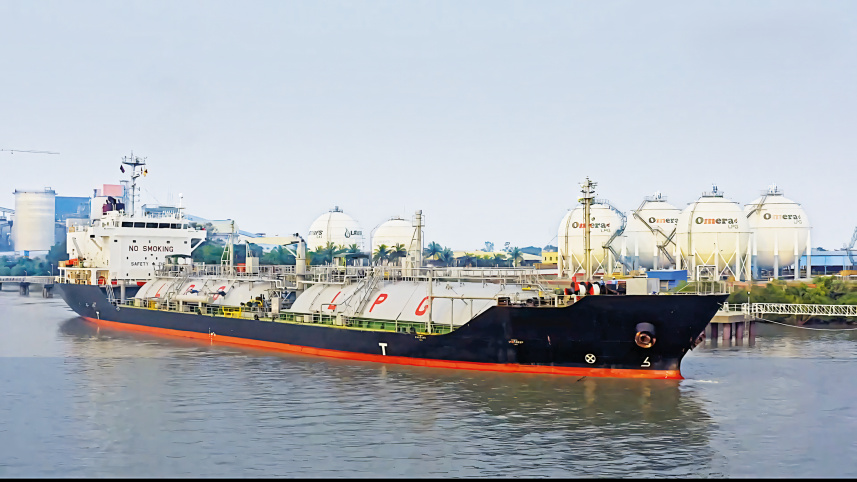
When gas pressure drops inside a factory, the effects travel beyond the burner. A boiler loses steam, a dyeing line slows or a ceramic kiln stops midway through a batch. Workers wait, schedules slip and machinery must regain operating temperature. An energy shortage quickly becomes a production loss.
Domestic gas production remains under pressure, while imported LNG is exposed to price volatility, shipping disruptions and limited regasification capacity. For factories, dependence on one fuel source whose pressure they cannot control has become a business risk.

Omera Petroleum Limited’s answer is industrial LPG: fuel that can be stored on site and used for process heat, either as the principal supply or when pipeline pressure falls. The shortage may remain a national problem, but factories can build their own contingency supply.
An answer that can be deployed now
An LPG installation can be designed around one factory’s energy requirement. This matters in garments, textiles, steel, ceramics, food processing and pharmaceuticals, where boilers, dryers, kilns and furnaces cannot simply wait. Plants can receive LPG in bulk, store it on site and integrate it into production.
Omera Priority combines energy assessment, system design, equipment supply, installation, commissioning, delivery planning and technical support. A typical setup includes a storage tank, dedicated pipeline and vaporiser, with control and safety systems. Omera Gas One, the company’s joint venture with Japan’s Saisan, adds engineering capability for bulk LPG and reticulated installations.
According to Omera, industrial LPG sales rose from around 500 tonnes a month in 2021 to approximately 5,000 tonnes, with about 70 active industrial customers. Garments and textiles lead demand, followed by steel and ceramics. The growth suggests LPG is becoming a planned part of the energy mix.
Continuity changes the cost calculation
Pipeline gas remains cheaper where adequate pressure is available. The practical comparison changes when it cannot sustain production: factories must choose between LPG, a costlier liquid fuel or an idle production line.
Omera’s August 2026 comparison placed LPG at around Tk 2,340 per million British thermal units, against Tk 3,185 for diesel and Tk 2,959 for furnace oil. On that basis, LPG was roughly 27 percent cheaper than diesel and 21 percent cheaper than furnace oil (not taking subsidies into account). Downtime adds another cost. A ceramic kiln can lose a batch and require hours to regain temperature; a garment factory can miss shipment deadlines. Production stops, but fixed costs continue.
Conversion also requires investment. Omera estimates that smaller installations may begin at around Tk 1 crore, while complex systems can require several crores. Projects may take up to six months, depending on the site and approvals. Factories must weigh this against avoided diesel use and unplanned shutdowns.
More than a backup burner
Industrial LPG can serve as a primary or supplementary fuel. A factory need not choose permanently between pipeline gas and LPG; it can design an energy mix around production risk.
Synthetic natural gas, or SNG, extends that flexibility. A system blends LPG with air to produce fuel with combustion characteristics similar to natural gas, allowing suitably configured equipment to operate when pipeline pressure falls. For heat-sensitive ceramic production, maintaining that heat can protect the batch inside.
Support continues after commissioning. Consumption changes with orders, shifts and seasonal demand, requiring adjustments to storage and deliveries. Omera positions its technical and logistics teams as a single point of responsibility. The company says its industrial team can respond to urgent requirements within hours, supported by around 80 road tankers and filling capacity across five plants.
Factories need dependable heat to keep production on schedule. With on-site storage, dedicated engineering and a nationwide supply network, Omera’s industrial LPG solutions give manufacturers another source of process heat. helping keep boilers, kilns and furnaces running when pipeline gas pressure falls.
The supply chain behind the solution
An industrial installation is only as dependable as its fuel supply. Omera says its operations span international procurement, ship-to-ship transfer, coastal transport, terminal receipt, storage, filling and delivery, with its Mongla import terminal supported by regional facilities and logistics networks.
The company says diversified sourcing, including US-origin cargoes, supplier relationships and inventory planning helped it maintain uninterrupted supply during disruption around the Strait of Hormuz. Premier LP Gas Limited, known as Totalgaz Bangladesh, joined its platform in January 2026, adding storage, filling capacity and distribution reach.
Greater national storage capacity and terminals capable of receiving larger gas carriers directly would further strengthen this system, providing buffers against cargo shocks and reducing offshore-transfer costs.
 For all latest news, follow The Daily Star's Google News channel.
 Safety supports the promise
Omera says its teams assess industrial sites, design installations to regulatory requirements and conduct recurring audits and training. Across its cylinder business, weight checks, leak testing and inspection are backed by retesting facilities in Sylhet and Mongla. Defective units are segregated. These safeguards support the same commitment to dependable energy.
Keeping production within the factory’s control
Industrial LPG will not replace the need to increase domestic gas supply or strengthen LNG infrastructure. It gives factories an answer available now, turning contingency from a hope that pressure will return into a system management can plan, finance and operate.
Comments