Shared rivers, shared responsibilities: The case for water treaties
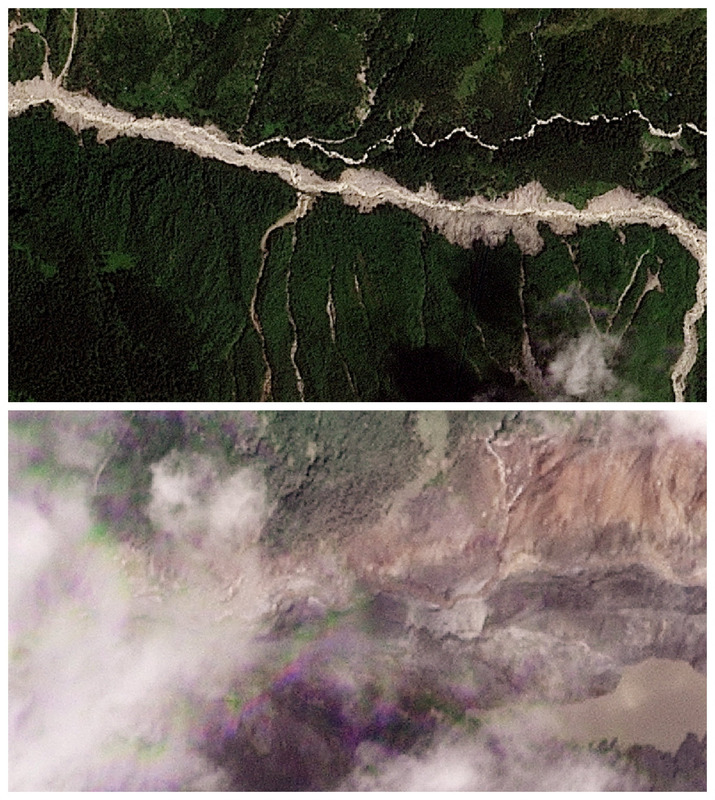
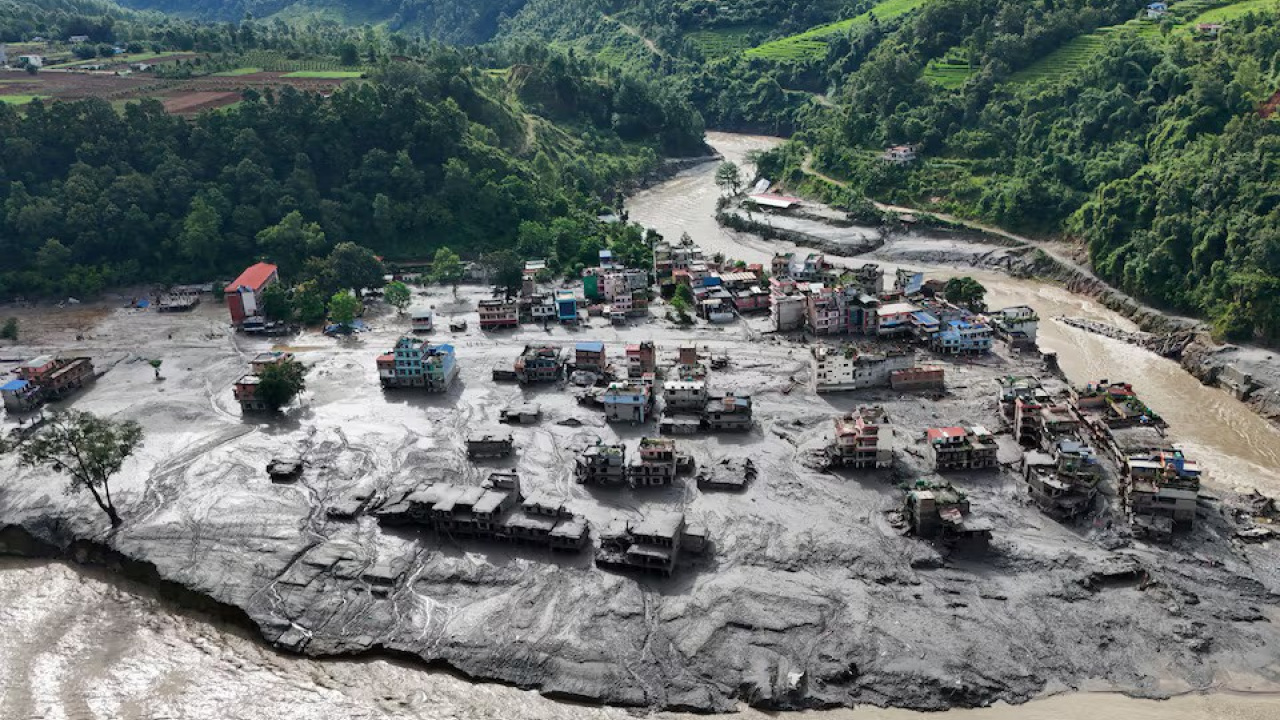
The devastating flood, which originated in a bordering town in China on August 26, has caused significant damage not only on the Nepali side but also on the Chinese side. The massive flooding of the Bhotekoshi River has resulted in substantial loss of life and property in the Himalayan districts of Gorkha, Dhading, Rasuwa and Nuwakot.
Even after ten days, government officials are walking a tightrope as they struggle to rescue and provide relief to the victims. The depressing reality is that many of the deceased remain unidentified, making it difficult to provide them with a dignified burial. Bereaved families have lost their loved ones and are not even in a position to perform the last rites of the deceased.
Nevertheless, the loss of life and property could have been significantly minimised had an effective early warning system been in place. If timely warnings had been issued about the impending danger, adequate preparations could have been made to protect lives and property to some extent.
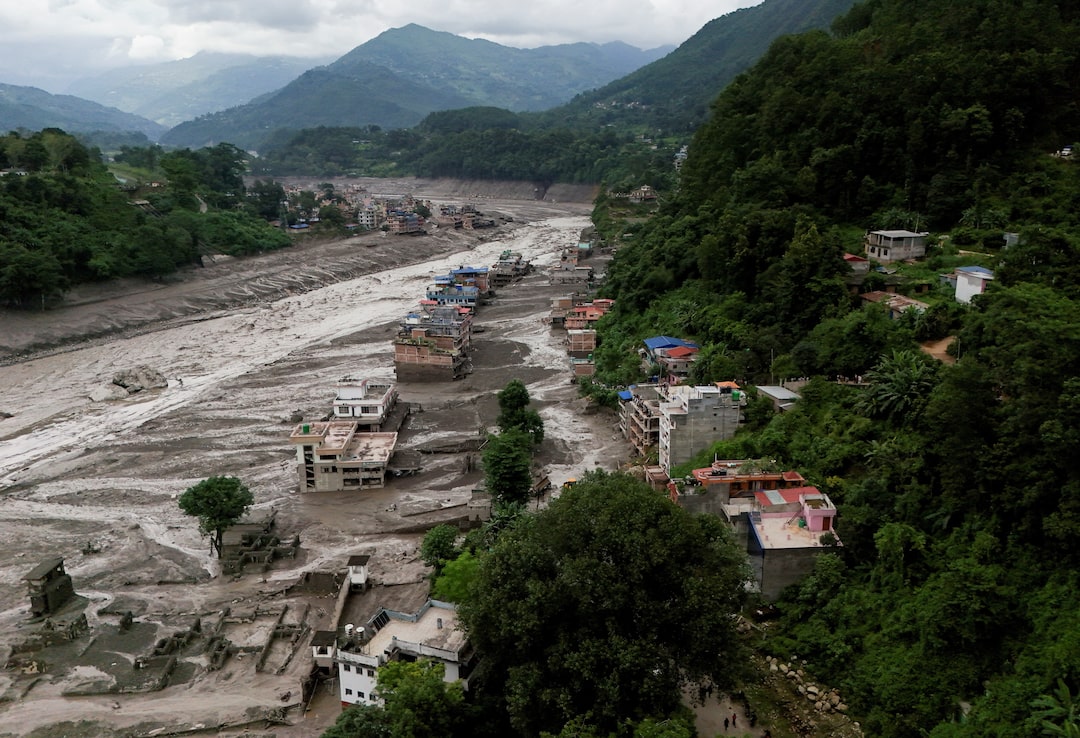
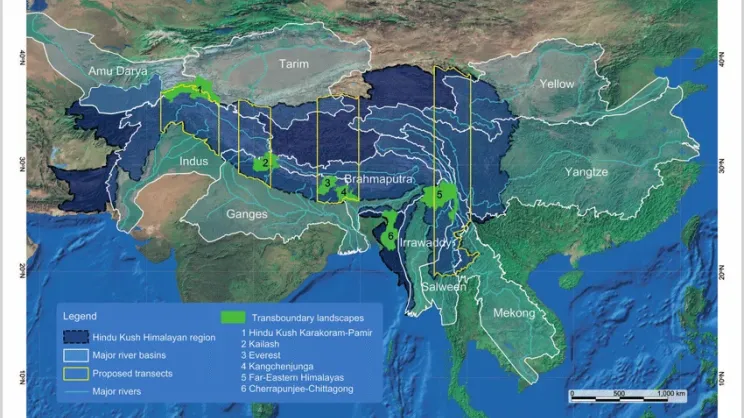
Unlike human beings, rivers know no national boundaries. Their flow cannot be confined within national frontiers. The rivers of Nepal, China and India flow across borders, disregarding political boundaries. After all, these three countries share a common water heritage, a shared responsibility to manage water resources, and interconnected cultures and civilisations.
At times, Nepal suffers when India or China suffers, and vice versa. This interconnectedness is particularly evident in the many transboundary river basins and water-resource systems shared by these countries. Such systems comprise rivers, watersheds and other water resources that cross the boundary of one country and enter another, or flow through the territories of several countries. The same reality applies to Nepal, India and China, where the management of shared water resources requires cooperation, mutual understanding and recognition of their common interests.
Geographically, rivers originating in the Himalayas naturally flow across the borders of one country into another. Therefore, transboundary rivers have enormous importance and a profound impact in South Asia.
Around the world, international legal rules and principles have been established for the proper management of such transboundary rivers, the equitable distribution of waters, hydropower development, and protection against natural hazards such as floods and landslides.
International law
The Helsinki Convention is a unique and legally binding international instrument for the sustainable management of transboundary water resources and regional cooperation. The Convention obliges signatory states to prevent transboundary impacts, ensure the equitable and reasonable utilisation of water resources, prevent conflicts arising from shared waters, and promote peace. Its principal objective is for European countries sharing the same transboundary water resources to cooperate through specific agreements and joint bodies.
The provisions of the Convention open avenues for stronger cooperation among neighbouring states during water crises and natural disasters, such as floods and landslides.
For landlocked countries like Nepal, which possess a plethora of transboundary rivers flowing from the Himalayas towards both the north and south, international laws and principles of this nature can play a constructive role in creating moral and legal pressure for an equitable share of shared water resources and the protection of downstream areas.
The United Nations Watercourses Convention (UNWC) is a global treaty adopted by the United Nations General Assembly in 1997. It is a framework convention governing international watercourses and provides an effective legal mechanism to facilitate the equitable and sustainable management of transboundary rivers, lakes and connected groundwater resources in as many as 45 countries, including Germany, Denmark, Greece, Iraq, South Africa and Qatar. Its principal objective is to strengthen cooperation among states concerning shared water resources.
For countries like Nepal, which possess ample transboundary water resources, the letter and spirit of such international laws would provide a basis for strong diplomatic and legal advocacy at the regional level concerning water allocation, environmental protection and the reduction of natural-disaster risks.
Global precedents
In this context, many countries have adopted and enacted separate national laws, bilateral and multilateral agreements, and international conventions to regulate transboundary water resources and river systems.
In more than 153 countries around the world, there are transboundary rivers, lakes or groundwater reserves. Interestingly, the 1992 Helsinki Convention and the 1997 UNWC have served as guiding lights in this regard.
Countries such as Finland, Germany, Hungary, France, Spain, the Netherlands, Norway, Switzerland, the United Kingdom and others have incorporated laws relating to transboundary cooperation and pollution control into their domestic water legislation.
The United States and Canada have implemented shared laws and agreements through the International Joint Commission, while the United States and Mexico have done so through the International Boundary and Water Commission.
African and Asian countries, including South Africa, Namibia, Chad, Senegal, Ghana, Nigeria, Iraq, Jordan, Uzbekistan and Bangladesh (through the Bangladesh Water Act, 2013), among others, have adopted national laws and ratified international conventions for the equitable utilisation and management of transboundary waters.
Regional treaties
Different regions of the world have adopted specific legal agreements according to their geographical circumstances and requirements.
For instance, the European Union Water Framework Directive is a comprehensive regional legal framework governing transboundary river basins in Europe, such as those of the Danube and Rhine.
Similarly, the Indus (Sindhu) Waters Treaty, 1960, concluded between India and Pakistan and signed in Karachi with the mediation of the World Bank, clearly regulates the allocation of water from the six rivers of the Indus River system.
The Mekong Agreement, 1995, between Cambodia, Laos, Thailand and Vietnam established the Mekong River Commission to promote cooperation in the sustainable development, joint utilisation and flood management of the Mekong River Basin.
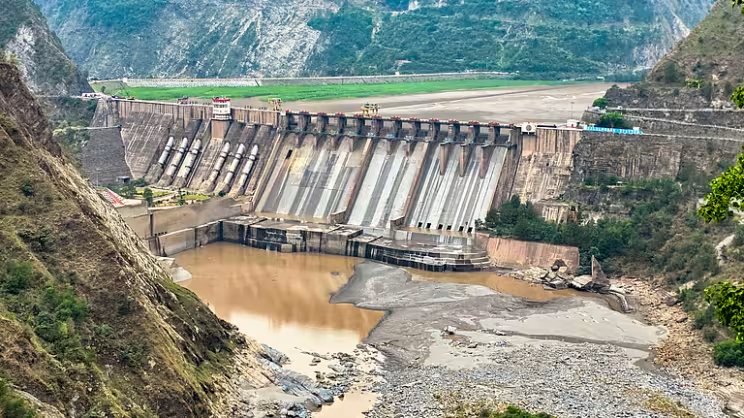
Through the International Boundary and Water Commission, the United States and Mexico have legally regulated the flow and allocation of the Colorado and Rio Grande rivers through a series of bilateral agreements.
In Colorado v. New Mexico (1982), the US Supreme Court recognised that competing claims to an interstate river must be assessed on the basis of equitable apportionment, taking into account the benefits, harms, conservation measures and competing uses of the resource.
Scenario in Nepal and India
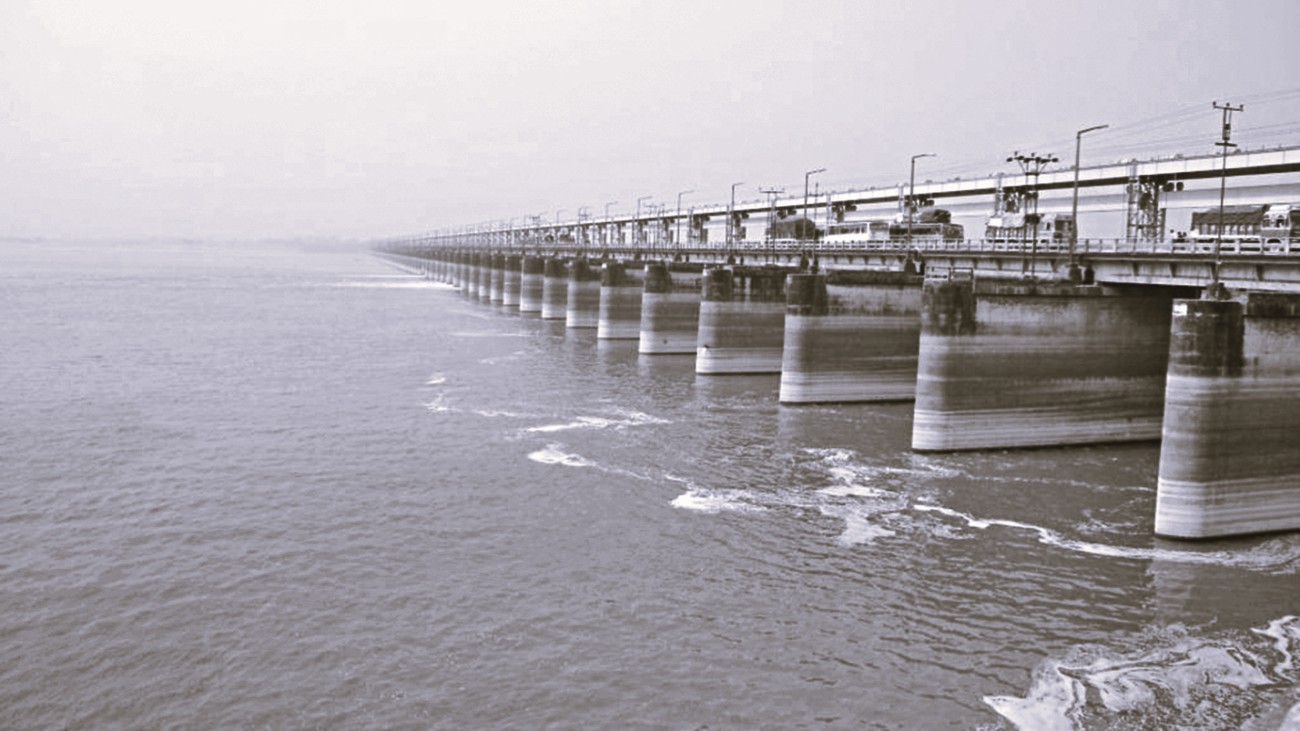
Nepal and India have signed several important agreements for the management of transboundary waters. Prominent among them are the Koshi Agreement of 1954 (including its 1966 amendment), the Gandak Agreement of 1959 (including its 1964 amendment), and the Mahakali Treaty of 1996.
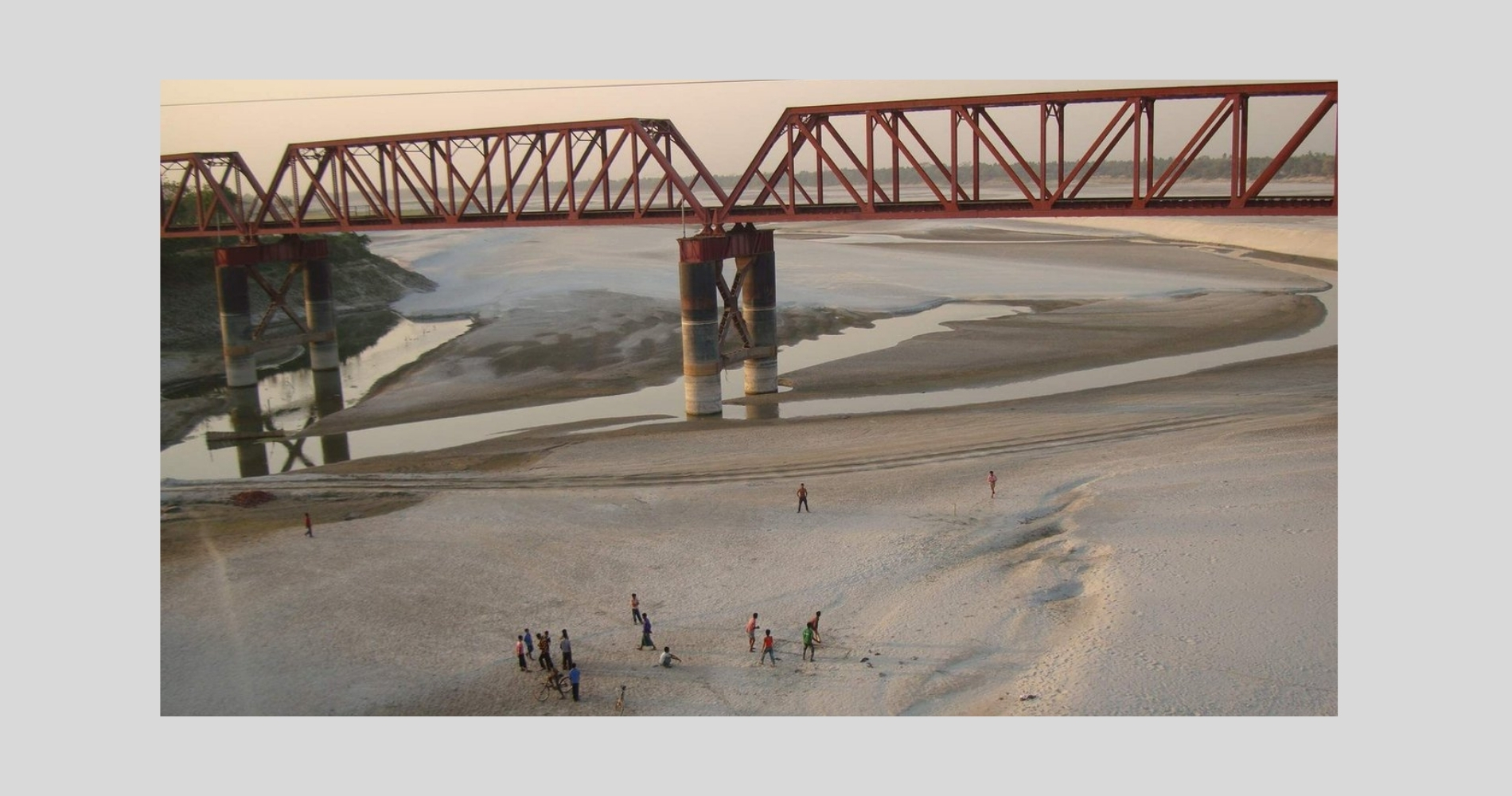
Although the Koshi and Gandak Agreements primarily focus on hydropower, irrigation and flood control, Nepal has continued to raise concerns regarding inequalities in the distribution of benefits and burdens arising from these arrangements.
For the integrated development of the Mahakali River, the Mahakali Treaty incorporates the Sharda Barrage, Tanakpur Barrage and Pancheshwar Multipurpose Project.
The Joint Commission on Water Resources and various joint committees between Nepal and India are in place for water-resource and flood management, providing mechanisms for formal dialogue to address problems concerning the transboundary rivers shared by the two countries.
China–Nepal water agreements still due
A significant gap remains in relation to the exchange of transboundary river data, while formal legal agreements with China are still due. Due to climate change, the risks of glacial lake outbursts, unpredictable rainfall and sudden floods in the Himalayan region are increasing, posing a growing threat of substantial loss of life and property on both sides. To overcome this situation, it is imperative to adopt a scientific approach based on transboundary river basins rather than relying solely on high-level diplomatic negotiations.
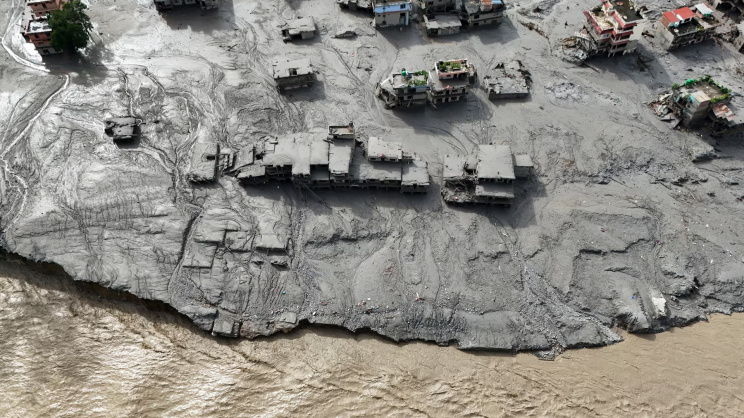
However, the situation concerning transboundary rivers and flood management between Nepal and China is not as formalised or developed as that between Nepal and India. With regard to rivers flowing northwards from Nepal or southwards from Tibet into Nepal, Nepal and China are yet to conclude any long-term water-sharing treaty or any formal treaty or agreement specifically governing transboundary waters.
Nevertheless, although the two countries have reached certain understandings in recent years concerning the exchange of hydrological data during emergencies and have cooperated through informal or diplomatic channels regarding flood and landslide risks in border areas, an institutional and comprehensive legal framework comparable to that established with India has not yet been put in place with China.
As a result, Nepal still needs to undertake substantial groundwork to establish a strong legal basis with its northern neighbour, China, concerning actual water flows in transboundary rivers, flood early-warning systems and emergency alerts.
Way forward
Transboundary river management among China, India and Nepal is highly sensitive because of the region’s complex geography, overlapping interests and shared water resources.
Nepal has major river treaties with India concerning the Koshi, Gandak and Mahakali rivers. However, a significant gap remains between Nepal and China in the exchange of transboundary river data and in the establishment of formal legal agreements. Climate change is increasing the risks of glacial lake outbursts, unpredictable rainfall and sudden floods in the Himalayan region. These risks pose a growing threat to lives and property on both sides of the border.
To address these challenges, it is important to adopt a scientific and basin-based approach to transboundary river management rather than relying solely on high-level diplomatic negotiations.
The involvement of local communities in disaster-management decisions, reliable real-time data sharing and early-warning systems using modern technology, and new or revised agreements among neighbouring countries—particularly Nepal, India and China—based on shared interests, mutual understanding and cooperation are imperative for reducing the risk of disasters.
Jivesh Jha and Bishnu Chandra Nepaliare Judicial Officers serving in the Nepal Judiciary and hold master’s degrees in law. They regularly write and contribute articles on contemporary legal, constitutional, and academic issues in Nepal’s mainstream media outlets.
Send your articles for Slow Reads to slowreads@thedailystar.net. Check out our submission guidelines for details.
Bihar wants Delhi to not renew Ganges treaty. What does it mean for Dhaka?
Bangladesh and the United States: Beyond the tariff bargain

From the Carter Doctrine to the Mecca Pact: A changing Gulf security order

More capability, less autonomy? Bangladesh’s emerging security dilemma

An anti-West network is emerging: How should Bangladesh respond?

The Mecca Pact: Deterrence, Israel, and the new Gulf security equation
What Nepal’s flood devastation means for Bangladesh, India and China

Five reasons why Bangladesh shouldn’t join the Mecca Pact

Why Gaza peace deals keep falling apart