


LPG can give industry the energy flexibility it needs
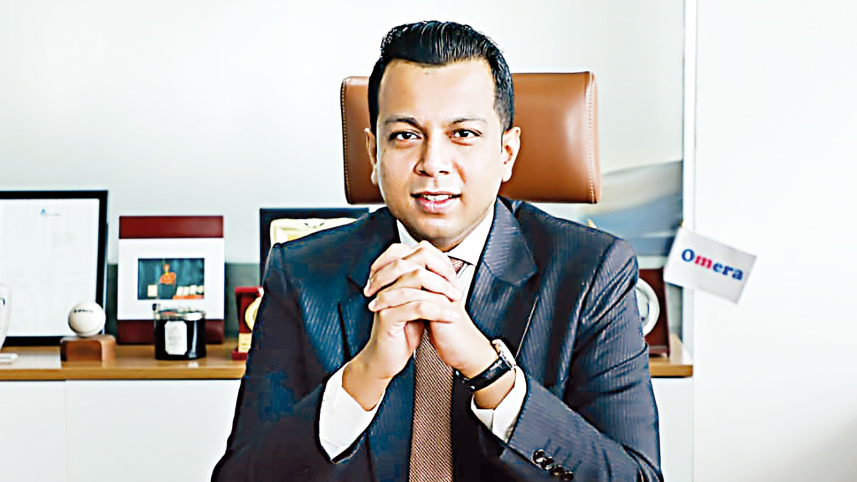
“An industry should not depend entirely on pipeline gas. It needs an energy mix that allows it to use pipeline gas when pressure is available and switch to LPG when pressure falls, keeping production running.”
The Daily Star (TDS): How practical is LPG as an alternative for industries facing low gas pressure?

Tanzeem Chowdhury (TC): LPG can serve as a backup when pipeline-gas pressure falls, allowing production to continue. An industry should not depend entirely on a single fuel; it needs an energy mix that lets it switch between pipeline gas and LPG.
We established Omera Priority as a specialised industrial service. Monthly industrial LPG sales have grown from around 500 tonnes in 2021 to about 5,000 tonnes, and we serve around 70 active customers. With five filling plants and a dedicated team, we aim to deliver within six hours when required.
DS: Which industries are best suited to LPG, and what does conversion involve?
TC: It is most relevant for industries that require heat. The strongest demand comes from ready-made garments and textile operations using boilers, followed by steel furnaces and ceramic factories.
A typical installation requires an LPG tank, pipeline and vaporiser, and we provide the engineering and setup. A project may take up to six months. Investment can range from roughly Tk 1 crore to Tk 5 crore, depending on capacity and technical requirements.
DS: How does the cost compare with other fuels?
TC: Subsidised pipeline gas remains cheaper, but availability is the central issue. When it is unavailable, the practical alternative is often diesel. For the same heating requirement, we estimate LPG can cost around 30 percent less than diesel.
We are also introducing synthetic natural gas systems to support equipment when gas pressure falls. This is useful for ceramic kilns, where a shutdown can ruin a batch and take hours to recover from.
DS: How do you ensure uninterrupted supply and safe operations?
TC: Supply security is our highest priority because a disruption can affect factory output and, ultimately, exports. Our sourcing network, five plants and fleet of around 80 road tankers support nationwide delivery.
We follow Department of Explosives requirements. Our in-house safety team periodically inspects customer sites, checks compliance and provides training. Safety is built in from the engineering stage and continues throughout operation.
DS: What policy and infrastructure changes would make industrial LPG more viable?
TC: Bangladesh needs terminals capable of receiving mother vessels directly. At present, offshore transfer to smaller vessels adds time and cost. Storage capacity for around two months would also help absorb international price fluctuations. Clear recognition of LPG as part of the industrial energy mix would give factory owners greater confidence to invest.
 For all latest news, follow The Daily Star's Google News channel.
Comments