


Beyond the rituals 7 historical sites to visit during Hajj

For many pilgrims, Hajj and Umrah are more than just a series of rituals; they represent a journey through the very heart of Islamic history. Stepping onto the same sands where the Prophet (PBUH) and his companions once walked brings a sense of closeness. Beyond the essential rites, visiting these sacred landmarks allows pilgrims to reflect on the early days of Islam and the sacrifices made for the faith.
In and around Makkah

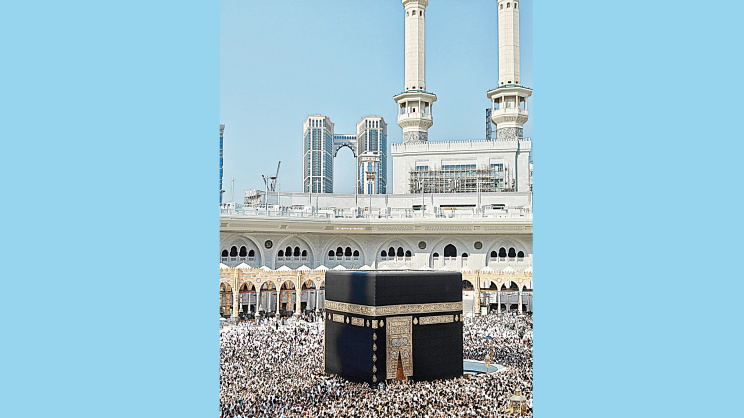
1. The Kaaba and Masjid al-Haram (Makkah)
The focal point of every Muslim’s prayer, the Kaaba, is the holiest site in Islam. Surrounding it is the Masjid al-Haram, a place of immense peace. Every corner of this mosque holds historical significance, from the Station of Ibrahim to the well of Zamzam.
How to get there: Most pilgrims stay in hotels within walking distance. For those further away, free shuttle buses or taxis are available. It typically takes 5–20 minutes to reach on foot or by bus, depending on your hotel location.
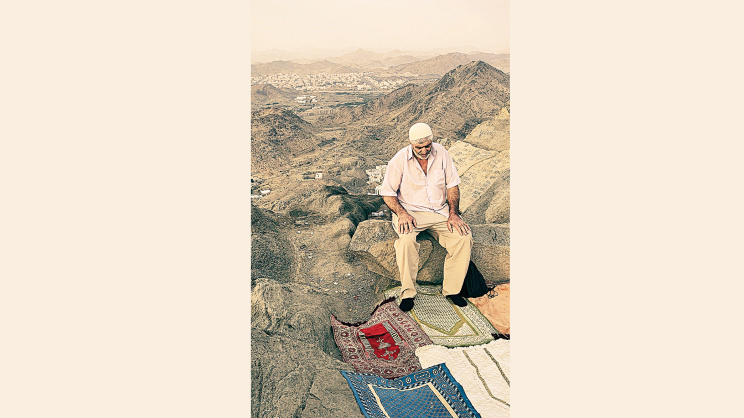
2. Cave Hira (Jabal al-Nour)
Located atop the Mountain of Light (Jabal al-Nour), the Cave Hira is where the Prophet (PBUH) received the first revelation of the Quran from the Angel Jibril. Though the climb is steep, the chance to stand where the message of Islam began is a powerful experience.
How to get there: Located about 4km from Masjid al-Haram, you can take a 15-minute taxi to the mountain’s base. From there, it is a steep 1-to-2-hour hike to the top. It is best to visit at dawn or dusk to avoid the intense heat.
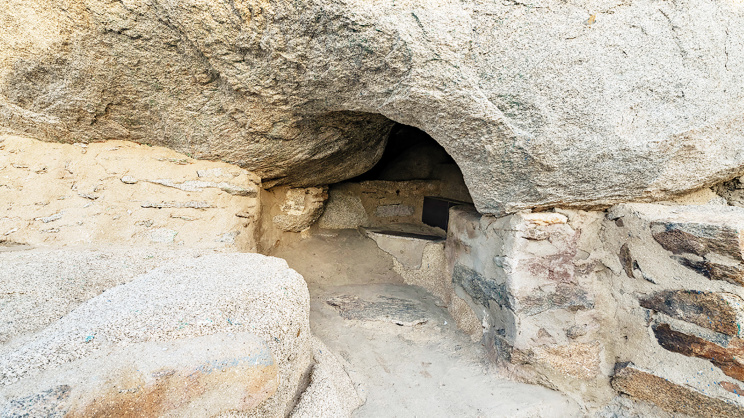
3. Cave Thawr
This cave holds a central place in the story of the Hijrah (migration). It is where the Prophet (PBUH) and his companion, Abu Bakr (RA), sought refuge from their pursuers for three days. It remains a symbol of divine protection and trust in Allah.
How to get there: Situated roughly 4km south of the Grand Mosque. A 15-minute taxi ride will bring you to the foot of the hill, followed by a 1.5-to-2-hour climb to reach the cave.
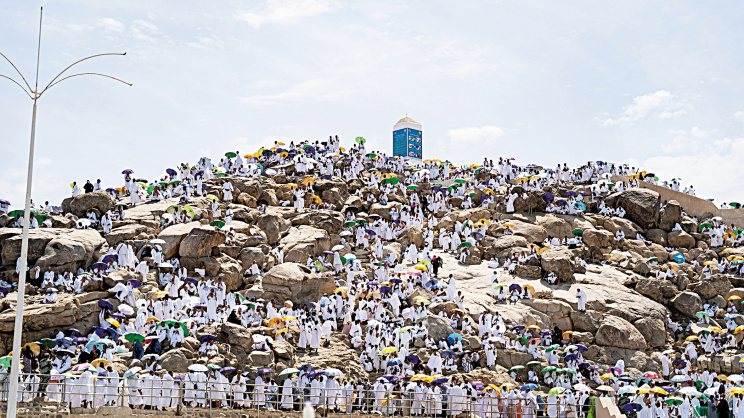
4. Mount Arafat and Jabal al-Rahmah
Arafat is the heart of the Hajj pilgrimage. Standing on the Mount of Mercy (Jabal al-Rahmah), where the Prophet (PBUH) delivered his Final Sermon, is a moment of profound reflection and repentance for millions of pilgrims.
How to get there: Located about 20km from central Makkah. It is a 30-to-40-minute drive via taxi or bus. During the Hajj season, the Al Mashaaer Al Mugaddassah Metro is also an option.
In and around Madinah
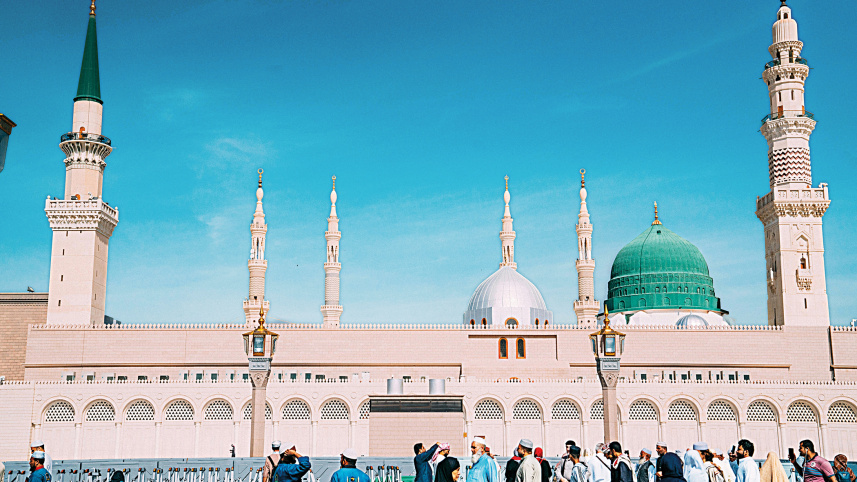
5. Al-Masjid an-Nabawi
The Prophet’s Mosque in Madinah is the second-holiest site and serves as the final resting place of the Prophet Muhammad (PBUH). The serene atmosphere and the opportunity to visit the Rawdah—described as a garden from the gardens of Paradise- make this an essential stop for every pilgrim.
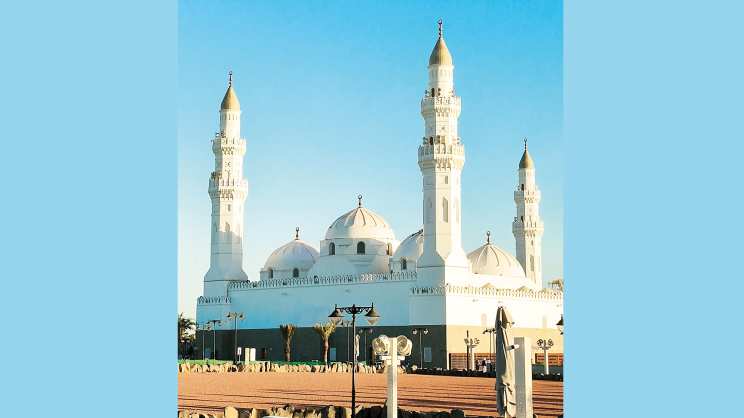
6. Masjid Quba
Located on the outskirts of Madinah, Masjid Quba is the first mosque ever built in Islam. The Prophet (PBUH) himself helped lay its foundations. It is highly recommended to visit and pray here, as a prayer in Masjid Quba is said to be equivalent to performing an Umrah.
How to get there: It is located about 3km from Al-Masjid an-Nabawi. You can take a 10-minute taxi or a 45-minute walk following the Sunnah. Tour buses are also frequently available.
 For all latest news, follow The Daily Star's Google News channel.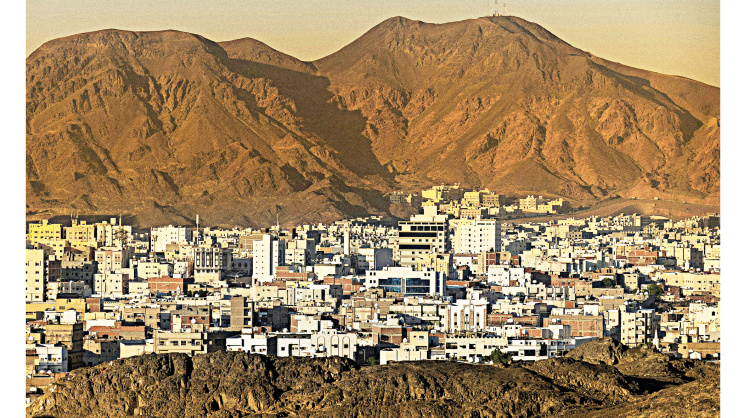
7. Mount Uhud
This site marks the location of the famous Battle of Uhud. Visiting the martyrs’ cemetery at the foot of the mountain serves as a poignant reminder of the early struggles faced by the Muslim community and the steadfastness of the Prophet’s companions.
How to get there: Situated about 5km north of the Prophet’s Mosque. A taxi or public bus will get you there in approximately 15 minutes from the city centre.
Exploring these historical sites provides a deeper context for the pilgrimage. As you prepare for your journey, including these landmarks in your itinerary ensures a more comprehensive and meaningful experience. May your pilgrimage be both spiritually fulfilling and well-organised, leaving you with memories that last a lifetime.
Comments