


Act fast, Save Brain, Save Life” — The role of physiotherapy in paralysis rehabilitation

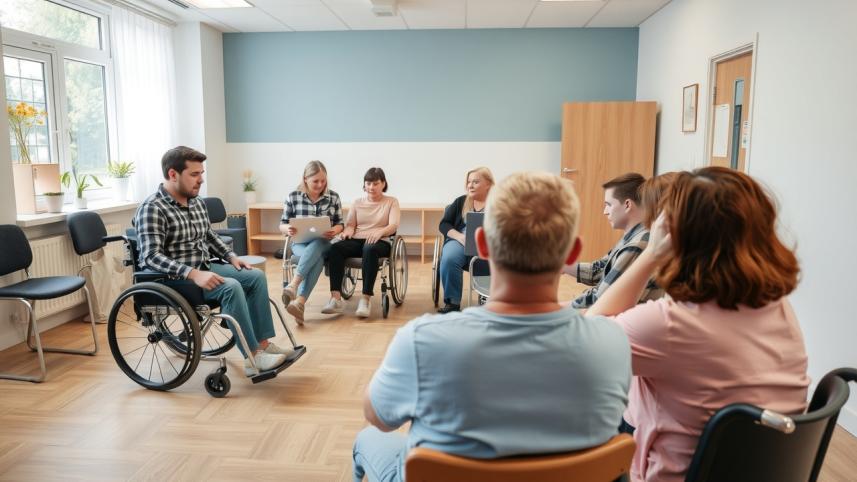
Every year, World Stroke Day is observed globally on October 29 to raise awareness about the prevention, early recognition, and rehabilitation of stroke. The theme for 2025 — "Act FAST, Save Brain, Save Life" — emphasises the urgency of early action to minimise brain damage and save lives.
According to the World Health Organisation (WHO), one in every four adults will experience a stroke during their lifetime. While stroke can be life-threatening, prompt medical treatment and comprehensive rehabilitation can significantly improve survival and quality of life.

What is a stroke?
A stroke occurs when the blood supply to part of the brain is interrupted or reduced, preventing brain tissue from getting enough oxygen and nutrients. Brain cells begin to die within minutes.
There are two main types of stroke.
1. Ischaemic Stroke: Caused by a blockage or clot in a blood vessel supplying the brain.
2. Haemorrhagic Stroke: Caused by the rupture of a blood vessel, leading to bleeding into or around the brain.
Causes and risk factors:
Several modifiable and non-modifiable factors increase the risk of stroke:
• Long-term high blood pressure (hypertension)
• Diabetes mellitus
• High cholesterol levels
• Smoking and excessive alcohol intake
• Chronic stress and sedentary lifestyle
• Obesity
• Family history or genetic predisposition
Warning signs: remember FAST
Recognising the symptoms early can save lives. The acronym FAST helps identify key warning signs:
• F – Face: Drooping of one side of the face
• A – Arm: Weakness or numbness in one arm or leg
 For all latest news, follow The Daily Star's Google News channel.
 • S – Speech: Slurred or incoherent speech
• T – Time: Act immediately and seek emergency medical help
Other symptoms may include sudden loss of vision, dizziness, imbalance, confusion, or loss of consciousness.
Diagnosis:
Diagnostic tests such as CT scans, MRIs, Doppler ultrasounds, and blood tests help determine whether a stroke is caused by a blockage or bleeding. Early diagnosis guides the appropriate treatment approach.
Treatment options:
• Ischaemic Stroke: Treated with clot-dissolving drugs (thrombolytic therapy) if administered within 3–4.5 hours of symptom onset.
• Haemorrhagic Stroke: Requires controlling bleeding and brain pressure through medication or surgical intervention.
In all cases, managing underlying conditions like hypertension, diabetes, and cholesterol is essential to prevent recurrence.
Physiotherapy in paralysis rehabilitation:
Many stroke survivors experience paralysis (hemiplegia) on one side of the body. Physiotherapy plays a vital role in restoring mobility, independence, and confidence.
1. Early stage (Acute Phase):
• Promotes blood circulation and prevents complications like joint stiffness and muscle contracture.
• Maintains passive movement to prevent spasticity.
2. Rehabilitation stage:
• Gradual re-education of movement, including sitting, standing, walking, and maintaining balance.
• Balance training, gait training, stretching, and strengthening exercises help restore functional independence.
3. Advanced recovery:
• Incorporation of electrical stimulation and task-orientated exercises to enhance motor control.
• Collaboration with speech therapists and occupational therapists to improve speech, hand function, and daily activity performance.
Stroke is not only treatable but also largely preventable through a healthy lifestyle, balanced diet, regular exercise, stress management, and avoidance of smoking and alcohol.
Timely medical intervention combined with dedicated physiotherapy-based rehabilitation can help stroke survivors reclaim their independence and live a meaningful, active life once again.
The writer is the Chairman and Chief Consultant at Dhaka City Physiotherapy Hospital, Dhanmondi, Dhaka. Email: dreasin20@gmail.com
Comments