


Nico Paz leads Argentina’s new generation
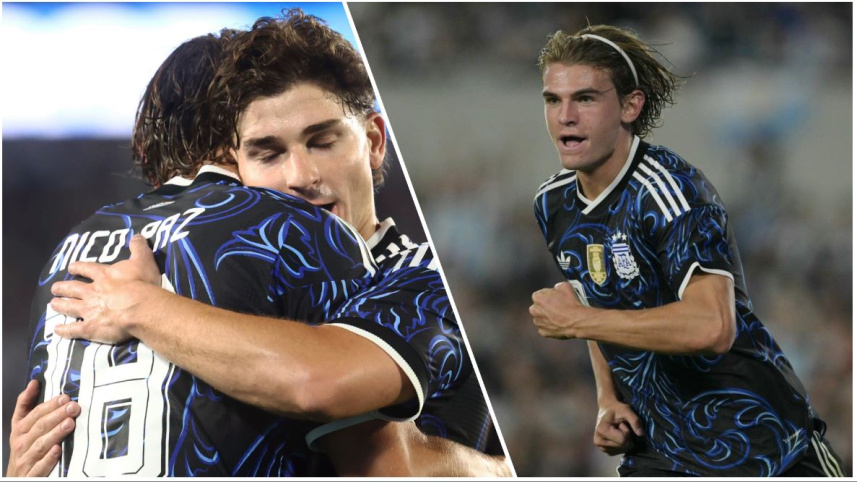
Argentina’s 7-0 victory over Burkina Faso was more than another emphatic win. It was a glimpse into the future of Lionel Scaloni’s team -- and Nico Paz once again stood at the centre of it.
Except for goalkeepers Emiliano “Dibu” Martínez and Gerónimo Rulli, no Argentine player involved was over 30. The result highlighted the generational transition taking place under Scaloni, who has steadily introduced younger players and given them the confidence and playing time to prove they belong.

Among them, Paz is beginning to look less like a prospect and more like an established member of Argentina’s next generation.
The 21-year-old was once again one of the brightest players on the pitch. Just as he had in Argentina’s previous friendly against Bolivia, Paz brought energy and elegance to the attack with his dribbling, change of pace and ability to play incisive passes between defenders.

Then came his reward. Paz scored Argentina’s fourth goal with a composed finish, producing his second consecutive goal for the national team. It was another demonstration of the technical quality that has made him one of the most exciting young players in the squad.
He played only 45 minutes before making way for Franco Mastantuono, but his influence was clear. There is already growing debate among Argentine supporters about whether Paz could eventually inherit Lionel Messi’s famous No. 10 shirt. For now, however, the midfielder appears more focused on enjoying his football and establishing his own identity.
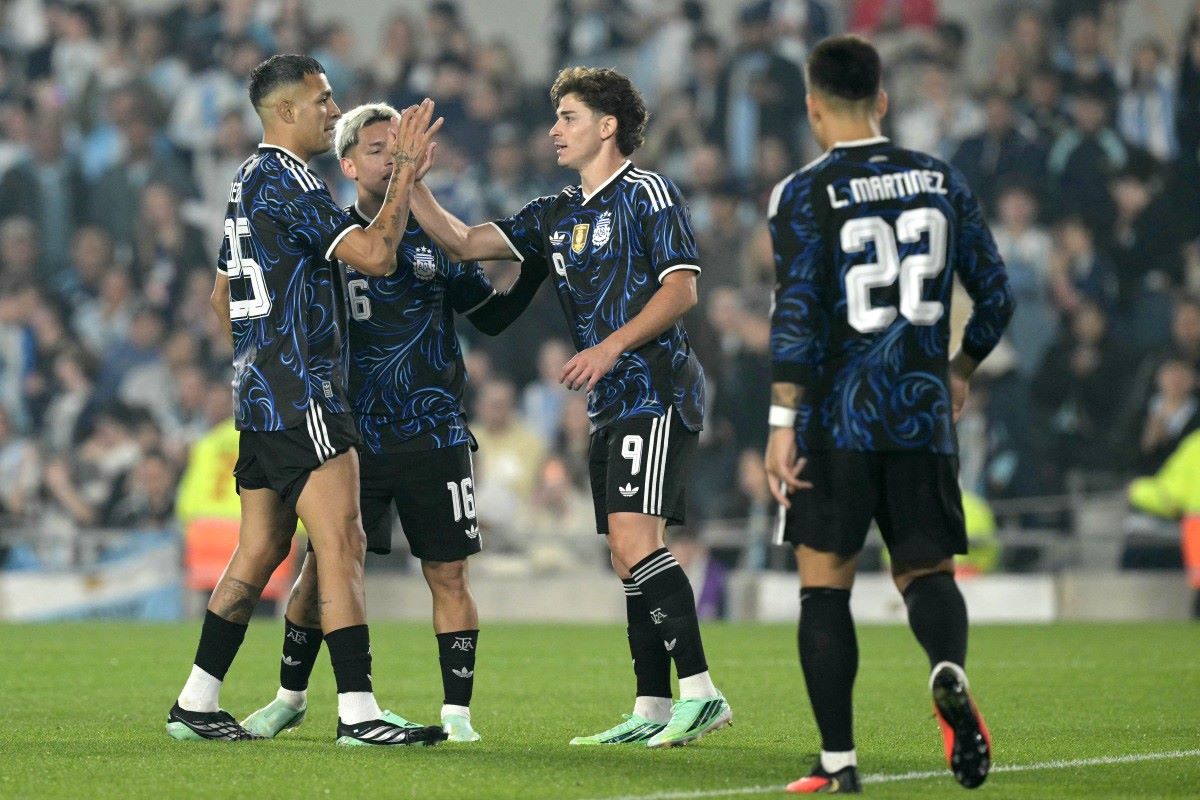
And he is not alone.
On the opposite flank, Gianluca Prestianni produced one of the night's other major breakthroughs. Still gaining experience at international level, the winger played with remarkable confidence, repeatedly attacking defenders with quick dribbles and combining effectively with Facundo Medina.
His persistence was rewarded with his first Argentina goal. After receiving a pass from Lautaro Martínez, Prestianni fired a low shot into the net. Minutes later, he turned provider, setting up Julián Álvarez for another goal.
“I’m so happy. I can’t believe I scored my first goal for the national team,” Prestianni said after the match.
Mastantuono also made his mark. The 19-year-old former River Plate player appeared increasingly liberated as the match progressed, eventually scoring his first goal for Argentina.

His biggest challenge may be managing the expectations surrounding him. Mastantuono admitted that people are demanding of him, but insisted that he tries to enjoy the game rather than become consumed by outside pressure.
That mentality could be crucial as his career develops.
Leonel Flores provided another burst of youthful energy. The 19-year-old entered the pitch having played for Boca Juniors the previous night, yet showed no obvious signs of fatigue. His fearless dribbling and willingness to take defenders on repeatedly caught Scaloni’s attention.
Agustín Giay, meanwhile, gave the coach another encouraging option at right-back. The 22-year-old won the penalty that opened the scoring and constantly pushed forward, offering width and attacking runs from the flank. Although he made a few mistakes, his energy and determination were evident throughout.
The broader transition is also visible in Scaloni’s latest debuts. Matías Soulé showed his dribbling and combination play, Santiago Castro struck the crossbar with a dangerous effort, while defender Tomás Palacios impressed with clean distribution and tactical discipline.
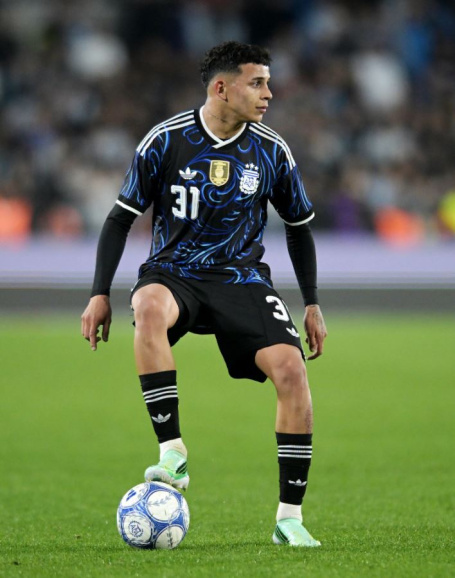
What makes Argentina’s renewal so promising is that these youngsters are not being thrown into the team and told to carry it immediately. Scaloni is gradually integrating them alongside experienced stars, allowing them to learn without being overwhelmed by responsibility.
Nico Paz is perhaps the clearest symbol of that approach.
His goal against Burkina Faso mattered, but his growing confidence matters even more. Argentina’s new generation is arriving --and Paz increasingly looks ready to lead it.
 For all latest news, follow The Daily Star's Google News channel.
Comments