The saree I could not give away
[Editor's Note: This article is published as part of Inherited Memories, a series by Slow Reads in which we invited our readers to share personal essays and reported stories about family objects and the lives and memories connected to them. We continue to welcome submissions from our readers and the Slow Reads community. Details of the submission guidelines can be found at the end of this essay.]
I knew that I was supposed to let it go, but I could not.
When my grandmother passed away, her things were divided. Family members gathered, cupboards were opened, and decisions were made. Most of her clothing was donated to those in need. That was the right thing to do.
After all, clothes are meant to be worn. Keeping wardrobes untouched does not bring anyone back. But then there was one saree that I could not leave behind among the neatly folded heaps.
It wasn't her wedding saree. It wasn't made from silk. No heavy embroidery or precious stones were attached to it. There was nothing about it that would make a stranger stop and admire it. It was just a simple cotton saree worn on ordinary days. The type that gets soft after years of use and washing.
I wanted that saree for myself.
Not because of the saree itself, but because it was her.
I have been trying to put that sentiment into words for a long time, and even then, I couldn't quite capture it. How can a piece of cloth be so important?
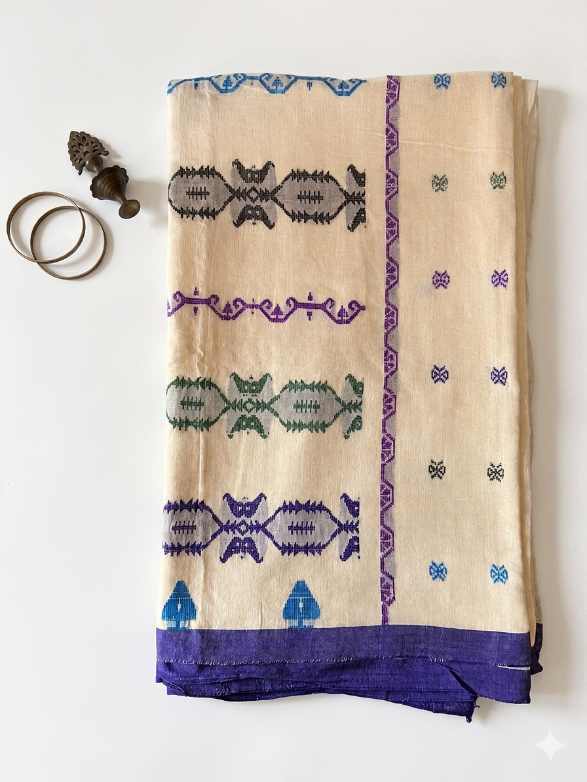
The answer lies somewhere between grief and memory.
The absence of a person is sudden when they die. Their voices disappear. Their laughter becomes a memory. Their routines are no longer there, yet life still goes on. Unwillingly, we learn that life goes on.
What is left are traces.
An image in a photo album. A favourite chair. A recipe remembered by heart. A handwritten note.
At times, even a cotton saree.
My grandmother was never one to sit still. She was very loving, deeply spiritual, and hardworking in many ways that often went unnoticed. She was like many women of her generation, carrying countless responsibilities. There was food to cook, guests to greet, prayers to offer, children to care for, and grandchildren to love, and so much more.
As a child, I did not understand the weight of that labour. All I remember is the comfort of her presence. I knew that she loved us. I knew that she was a person of unconditional warmth.
Every time I visited her, she would ask the same question before anything else: "Have you eaten?" It did not matter that I had eaten an hour earlier. For her, love often sounded like concern. Looking back, I realise that this was how she cared for people, not through grand gestures, but through small, constant acts of attention.
As I grew older, I became even more grateful for the quiet strength she possessed.
I do not remember any specific achievement, nor is there any grand event that stands out most in my memory. Rather, I recall snippets.
The rhythm of her daily prayers.
The feeling of being welcomed.
The certainty that she would be there.
Memories do not preserve the whole story. Rather, they preserve moments.
In this way, objects take on meaning once the people connected to them have been lost. They remind us of the things we value in life.
This was not a saree meant for celebrations. It was an integral part of everyday life.
I can see my grandmother in it, doing the things that she needed to do every day. Perhaps she wore it while cooking for the family. Perhaps it was worn on an ordinary afternoon when there was no special occasion. Perhaps she folded it carefully after prayer.
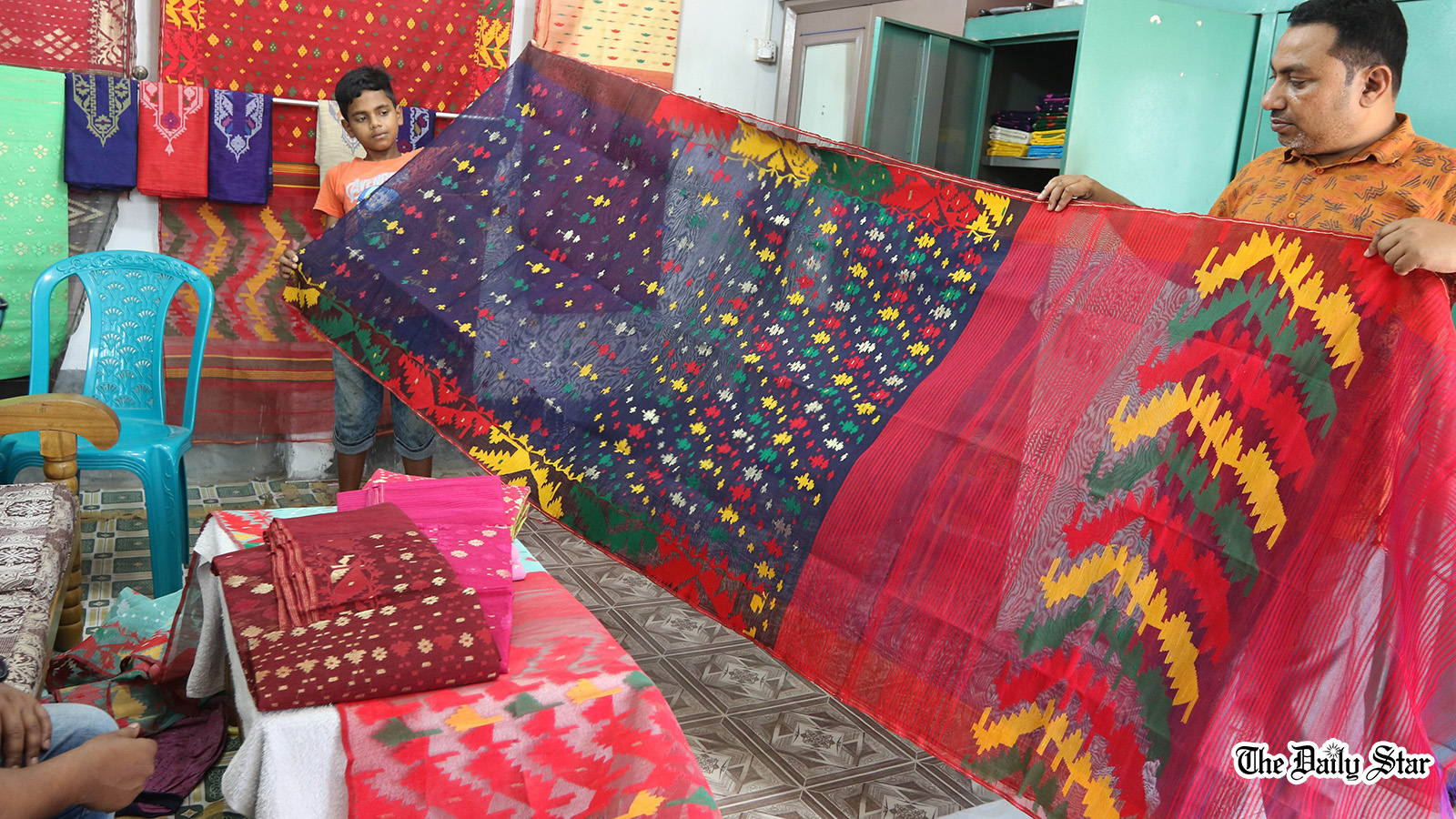
I can't be certain.
Yet, it is a story marked by uncertainty.
The saree reflects a portion of my life. It reminds me that the people we love exist beyond the moments we shared with them. They had their own thoughts and habits, their own worries and desires, and their own memories. Older members of our families often pass away before we can ask all the questions we have.
At times, I wish there was more that I could have known.
I wish I had asked her questions about her childhood.
I wish that I had asked her what she dreamed of as a child.
I wish I had listened more carefully to the stories that seemed ordinary at the time.
Like many grandchildren, I believed there would always be another opportunity to do so.
There wasn't.
The saree is one of the few things through which I can still hold on to her memory.
I have spent a lot of time thinking about family memories. We inherit more than just our physical features or family names. We inherit tales, beliefs, customs, and fragments of lives that shaped us before we were born. In many cases, those inheritances take the form of something physical.
A ring.
A photograph.
A letter.
Or a cotton saree.
Today, the saree rests quietly among my belongings. I do not wear it very frequently. Honestly, I am afraid to. The fabric has already been affected by time, and I want to keep it for as long as possible.
You could look at it and think there was nothing remarkable about it.
However, each time I spread it out, I think of a woman who helped shape her family through her love. I remember her kindness, her faith, her perseverance, and the many little things she did to care for others.
The saree has become a repository of memory.
Not because cloth can capture a person, but because it can hold traces of one.
There is a common belief that we should not become attached to possessions. In many ways, I agree. Most objects are replaceable.
The importance of this saree does not lie in the object itself.
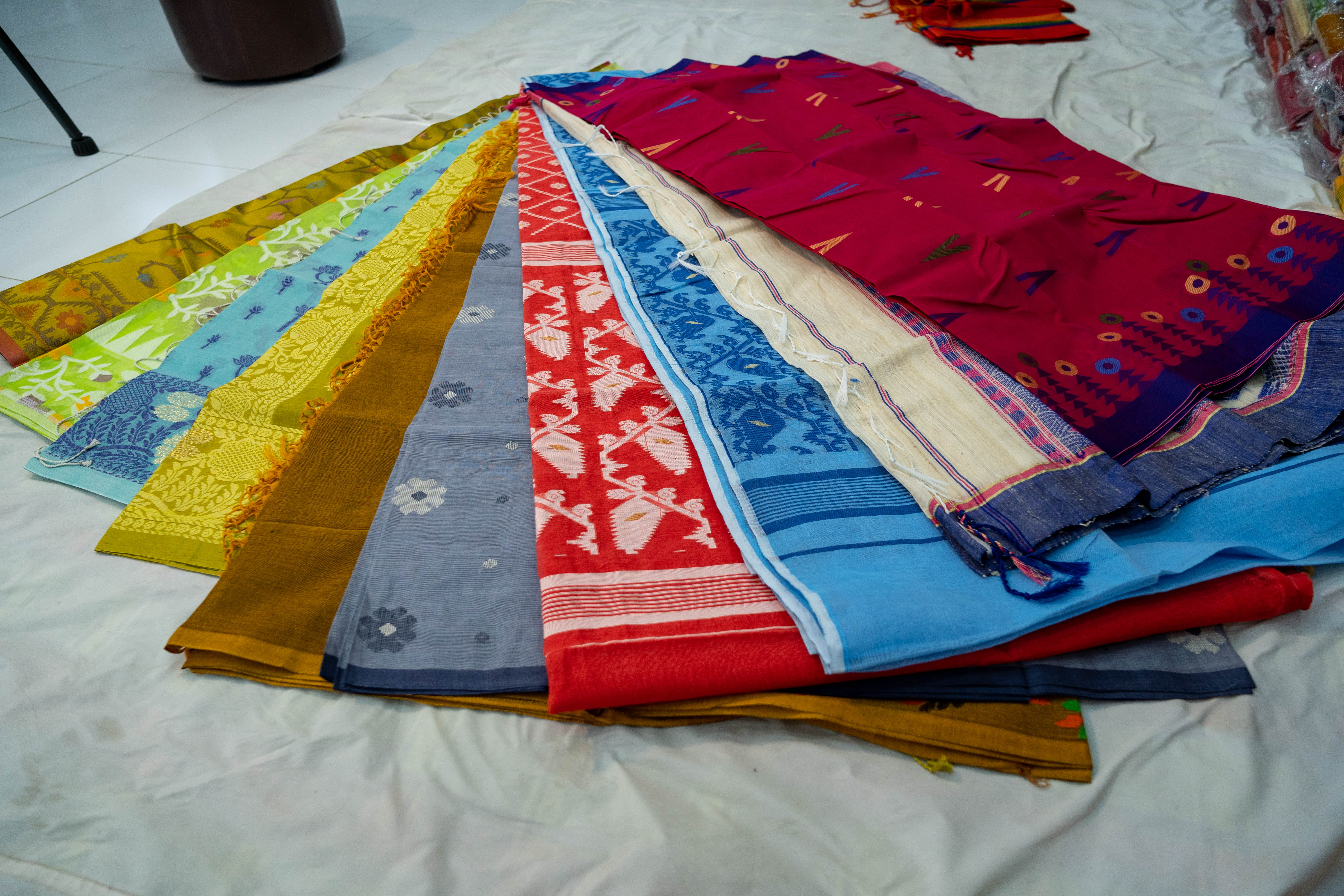
It is important because of what it symbolises.
It recalls my grandmother.
That she lived.
That she loved.
That she prayed.
The hard work she did.
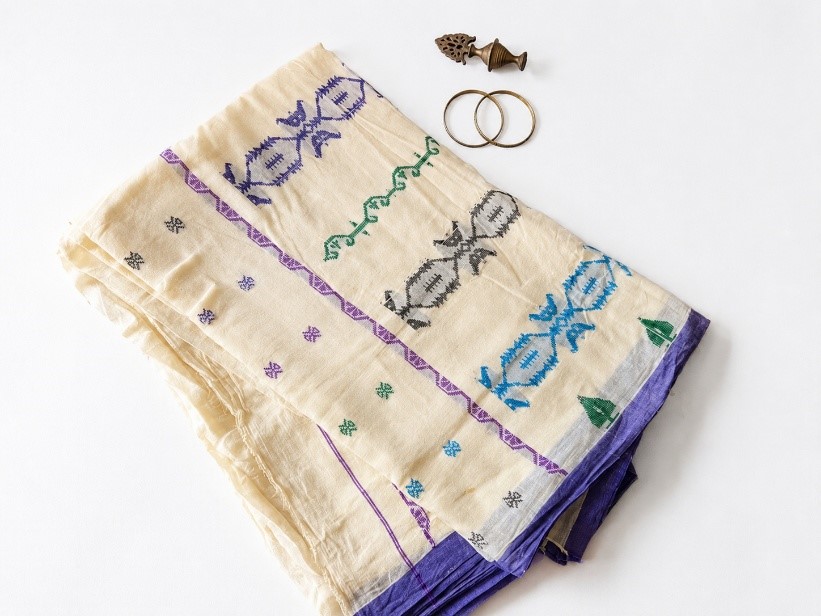
That she filled a space in this world and had an impact on those around her. The saree cannot tell me her stories. It cannot answer the questions I never asked. It cannot bring back her voice or recreate her presence.
But it does something else.
It reminds me to remember.
And perhaps that is why, when the time came to give away her clothes, there was one saree I simply could not part with.
To everyone else, it was an old cotton saree.
To me, it was my grandmother.
Sanjida Tamanna Oishee is a writer with a background in Sociology. Her work explores memory, history, and everyday lived experiences in South Asia.
Send your articles for Slow Reads to slowreads@thedailystar.net. Check out our submission guidelines for details.

End of reading? A post-literate society in the making
Can I still be the daughter they need?
What death teaches us about life
How to help children fall in love with reading
Why Christopher Nolan's The Odyssey disappoints in its portrayal of women

10,000 steps a day: Health myth or medical fact?
Why Dhaka University should rethink its rules for female students
Inherited Memories / One railwayman's line-box, three eras of history

The strange grief of seeing our parents age