From Dhaka to Down Under: Eid through my lenses
Eid – a celebration that comes twice a year for every Muslim in all corners of the world – is authentically more than just a religious festival. It is a wonderful crossover of culture and community. As a millennial growing up and living in Bangladesh for almost all my life, the memories centring around Eid are like huge albums. In Bangladesh, which is primarily a Muslim-majority country, the vibe of Eid circulates among the entire population regardless of religion. That’s a true beauty!
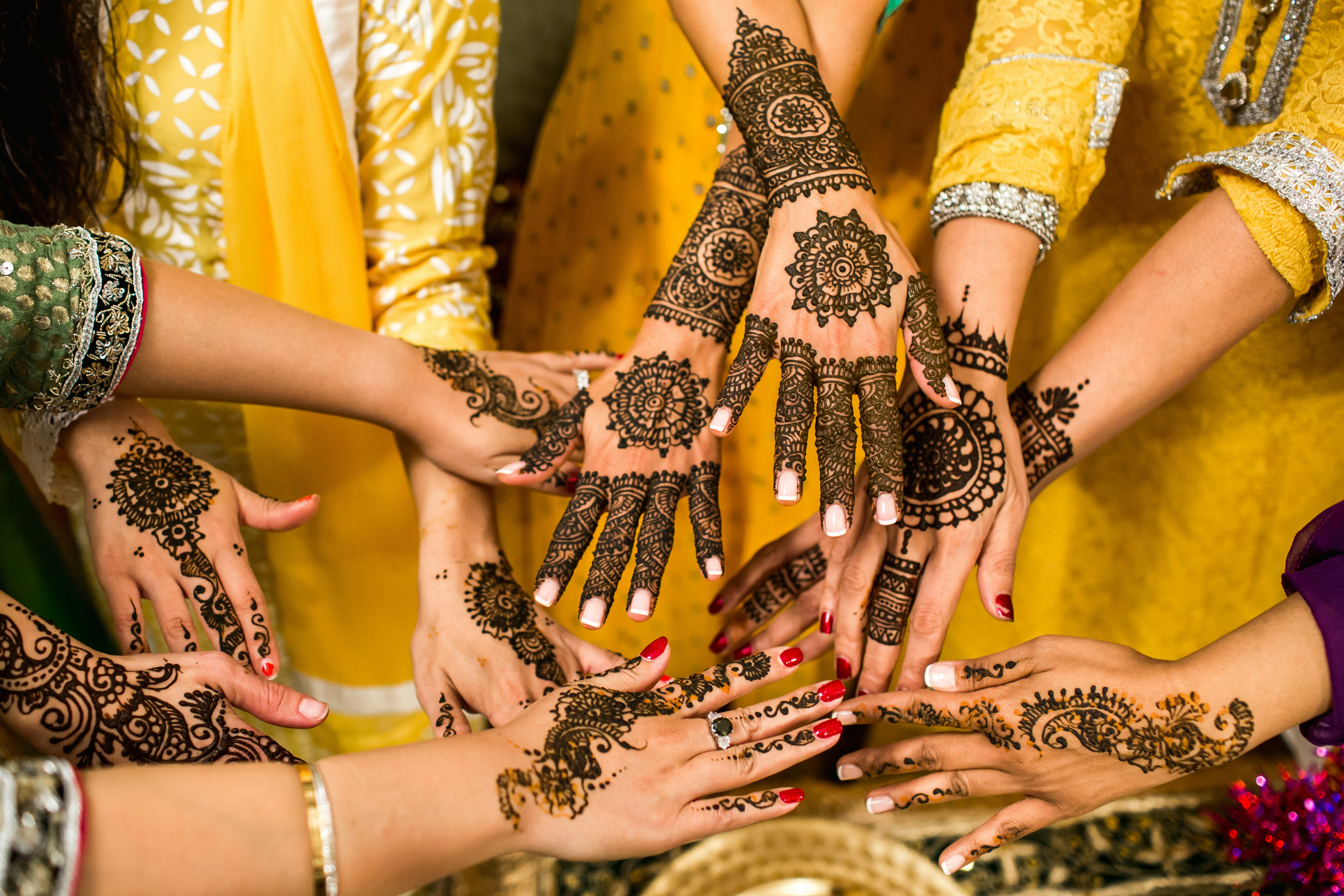
After thirty days of fasting, iftar and sehri, the crescent moon of Shawwal shines upon excited and happy people. The last-minute run to the shops for the perfect panjabi, the trendy salwar-kameez and saree that girls cannot miss are very common sights. The urge to paint hands with henna on the night before Eid is undeniable for Bangladeshi ladies. That is, in fact, a festival in itself. Not to mention, an Eid look is never complete for a girl without matching churi (bangles) and jhumka (traditional earrings) to go with that flawless outfit.
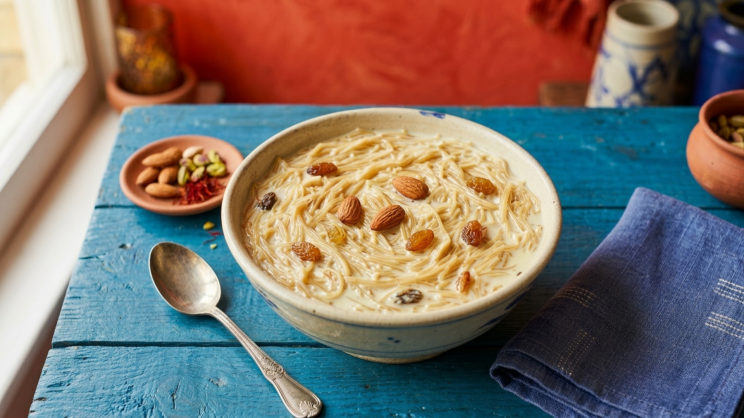
No celebration is complete without food. Bangladesh has rich flavours when it comes to spices and sweets. It all plays out beautifully on an Eid spread. The aroma of shemai (vermicelli), polau and shahi chicken roast travels down every alley. From the Mughal era to modern-day Bangladesh, these royal delicacies have remained staples in Bengali homes for all celebrations. The essence of these foods does not just fill stomachs, but also connects hearts with love and togetherness. Growing up, I remember my mother spending hours in the kitchen the night before Eid to ensure the best taste in these dishes. I would usually stay up till late, going about tasting one dish after another before the big meal the next morning. Right after the Eid prayers in the morning, neighbours, relatives and friends would come over one after another and enjoy the savoury and sweet dishes while sitting around the dining table.
After dressing beautifully and filling our tummies to our hearts’ content comes the Eidi hunt. It does not matter how old we are – Eidi or Salami on Eid is a must! As we go from place to place meeting and greeting our loved ones, there is always a smile demanding Eidi. In the nineties, a ten-taka note was grand enough to qualify as Eidi. Now, with inflation and demonetisation, even the Eidi amount has taken a dramatic twist. Irrespective of that, Eidi is not just about money or what it can buy. It is an emotion that combines the virtues of sharing and gift-giving with traditions. Ignoring the denomination, the note for Eidi must be crisp and new – mandatory!
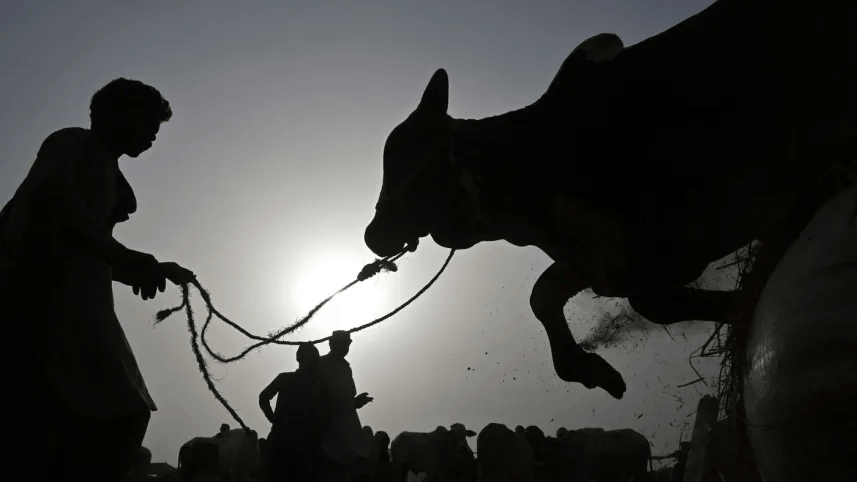
Moving on to Eid-ul-Adha, or as we commonly call it, Qurbani Eid, besides the regular hubbub of Eid comes the exhilarating Gorur Haat episode. It is a fascination for many to go from one market to another, checking out prices and the various features of cows, goats and other sacrificial animals. The smell of cow dung and muddy streets do not really matter in the face of such enthusiasm. And then, finally being able to make a purchase, walk it home or have it transported, and then feeding it with grass, hay and water is happiness hitting differently. The sound of “Bhai koto nise (brother, how much?)” or “Jitsen, bhai (that’s a win, bro)” becomes the new jam on the roads. A couple of decades ago, I remember my father keeping a separate pair of slippers that he wore particularly during Gorur Haat visits. Such was the enthusiasm of the boomers in this regard before modern farms and facilities reshaped the experience.
No celebration is complete without having loved ones around. Hence, returning to one’s roots comes alive during Eid. People from all walks of life, some travelling alone and some with families, rush to catch a train, a bus, a steamer or a combination of vehicles to visit their families back home in different corners of the country. As strange as it may seem, watching people travel on train or bus rooftops looks almost expected, particularly just before Eid. There is no denying how risky it is, and people do realise that. Yet, that craving to be with family right on time for Eid beats the odds.
Moving back to getting that perfect Eid attire – one may have to walk on shards of glass before reaching the final moment of joy. Dramatic enough? Well, I am talking about the panic caused by tailors before Eid for almost all dress enthusiasts. Because of the heavy volume of orders before Eid, tailors are always on the verge of delivering late, stitching something not quite right, or simply causing an absolute catastrophe. This sort of puts our tailors’ phone numbers on speed dial until we finally get our dresses “properly” delivered on time before Eid. Some of us may even end up having nightmares about a ruined Eid outfit, and it cannot get any sadder.
Looking back at my Eids in the nineties and early 2000s, watching special TV shows on Eid was definitely on the itinerary. Starting with our must-watch Ittadi on BTV, Eid special natoks and movies added to the celebrations. Sitting in front of the television with a plate full of polau, korma and rezala while watching magazine shows, dramas or music programmes was a high level of contentment.
Now, as a recent migrant who experienced Eid away from home within a month of moving abroad, Eid hits differently. It is a rush of nostalgia, warmth, distance and emotions all at once. It is no longer the busyness of Chand Raat with henna, ice cream and matching ornaments. The mornings hardly manage to fit in Eid prayers and just a quick spoonful of shemai. No big spread, just a simple biriyani and some sweets to make us feel content and comfortable in a new setting. Indeed, there is a longing for crowded homes, cousins and friends popping in, traffic-packed roads, mosque gatherings and the wholesome feeling of celebration.
Ironically enough, during my life in Dhaka, I eagerly waited to enjoy the reasonably crowd-free city during Eid. With a large number of people going back to their homes outside Dhaka, the city used to sit calmly during Eid holidays. Now, living in a small town Down Under, I miss the noise and chaos, especially before big days like Eid, because those sounds carry love and a sense of belonging to me.
To me, Eid is not just a religious festival but a reminder of love, family, traditions, spirituality and the beautiful mayhem of growing up in Bangladesh. As a Bangladeshi millennial living away from my country at the moment, Eid now brings a surge of nostalgia and joy, reminding me that even across countries and cultures, the memories and warmth of home and celebration stay with me.
Fahmida Mehreen is a contributor to Slow Reads, The Daily Star. She can be reached at fahmidamehreen23@gmail.com
Send your articles for Slow Reads to slowreads@thedailystar.net. Check out our submission guidelines for details.

End of reading? A post-literate society in the making
Can I still be the daughter they need?
What death teaches us about life
How to help children fall in love with reading

Why Christopher Nolan's The Odyssey disappoints in its portrayal of women

10,000 steps a day: Health myth or medical fact?
Why Dhaka University should rethink its rules for female students
Inherited Memories / One railwayman's line-box, three eras of history

The strange grief of seeing our parents age