


From al-Andalus to the Mughals: How empires become identity
6 HOUR(s)
•
In Focus
From artificial intelligence to the artificial state: Is the trajectory inexorable?
7 October 2026
•
In Focus
157th Birth Anniversary of Mahatma Gandhi / Gandhi’s return to Noakhali
6 October 2026
•
In Focus
Why does Tagore still trouble Bangladesh’s idea of ‘us’?
5 October 2026
•
In Focus
Can Bangladesh make better use of its zakat money?
4 October 2026
•
In Focus
Three revolutions that reshaped the world
2 October 2026
•
In Focus
Paradise lost and found: Rediscovering early modern Bengal
1 October 2026
•
In Focus
Unbound Mother: The making and remaking of Kaali in Bengal
30 September 2026
•
In Focus
Do great leaders make history, or does history make them?
29 September 2026
•
In Focus
Poison and cremation: A forensic history of colonial Bengal
28 September 2026
•
In Focus
The Bengal Cyclone of 1876: The Empire on Trial
Benjamin Kingsbury’s An Imperial Disaster: The Bengal Cyclone of 1876 (Hurst & Company, London, 2018) is a stimulating intervention in the history of disaster in British India.
12 July 2020
A colossus from Brahmanbaria
The Honorable Justice Nawab Sir Syed Shamsul Huda, KCIE, an illustrious son of Eastern Bengal (Bangladesh) was born in 1862, in the village of Gokarna, formerly in Comilla then a part of Hill Tipperah, in British India.
5 July 2020
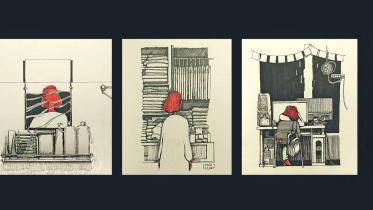
Rethinking Dhaka's Urbanism: A Child's World in a Manmade City
In 1998, at Shangshad Chattar, an infant was relishing fresh air in the country’s largest and most emblematic civic-space.
28 June 2020
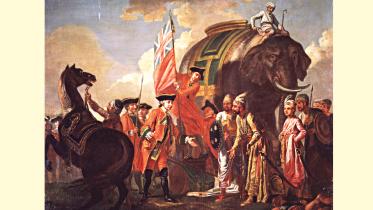
The road to Plassey
This paper argues, contrary to received wisdom, that the Plassey conspiracy leading to the British conquest of Bengal in 1757 was engineered and encouraged by the British who in their project of the revolution roped in an influential section of the Murshidabad darbar.
21 June 2020
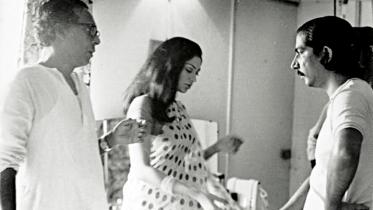
The newly urban woman in Mrinal Sen's cinema
For the legendary Bengali auteur Mrinal Sen, cinema often went hand in hand with agitprop, meaning the use of political messaging as an aesthetic element.
14 June 2020
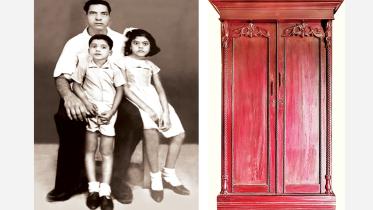
The Bangladeshi-Armenian Harneys of Dhaka
A brief on the Armenians of Dhaka: Regardless of the absence of any definitive chronicle on the advent of the Armenians in Bengal, particularly to Dhaka, historians today unanimously agree that the Armenians started to arrive in Bengal, from the late 17th century onwards.
7 June 2020
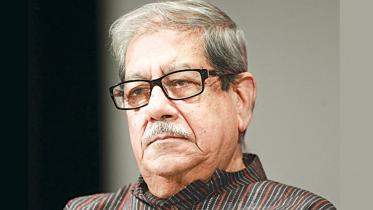
Anisuzzaman, the unexpected heir
Some legacies are merely handed down, transferred to a presumptive next-in-line by the inert push of the past. Other legacies are earned – and thus more truly owned – by those who, unforeseen and perhaps even unwelcome, rise up to claim them.
6 June 2020
On free speech and the imperatives of democracy
It is almost axiomatic that free speech is indispensable to democracy.
31 May 2020

COVID-19 pandemic and the crisis of isolation
COVID-19 has had an unprecedented effect on people all around the world and Bangladesh is no exception.
22 May 2020
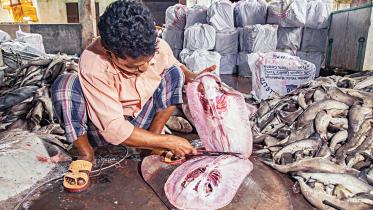
The giants of the sea: all but gone
When we get there at the break of dawn, Cox’s Bazar is asleep and unexpectedly cold. Pinching at our cheek, making everyone scrunch up their noses. But reassurances drop in from right and left that the coast is rarely ever cold, for a long stretch anyway.
17 May 2020
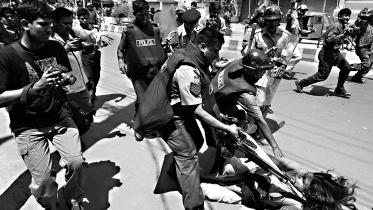
Disappointment of a son
On 3rd May, after 12 am, I turned on my computer and began to write a short article regarding my missing father. I didn’t know back then that I was about to get a call and would be able to talk to my father in two hours.
11 May 2020
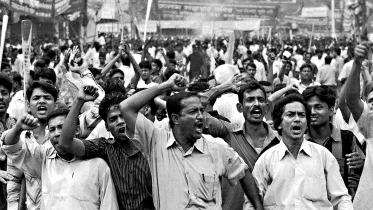
'LAST MAN STANDING'
Some of us speak words and these words become weapons. Some of use actions in our daily lives – gestures of kindness and compassion,
11 May 2020
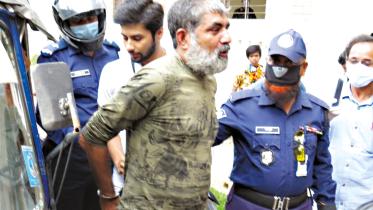
Kajol might not be able to speak out, BUT WE MUST
Mysterious events surrounding the ‘disappearance’ and ‘recovery’ of photojournalist Shafiqul Islam Kajol are by now well known.
11 May 2020
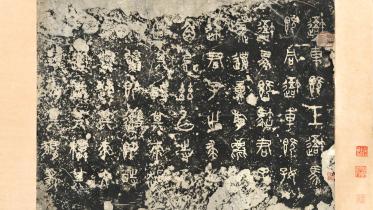
What is a book, anyway?
In the Palace Museum of present-day Beijing, 10 stones of about 90 cm height and 60 cm diameter contain some ancient Chinese symbols.
3 May 2020
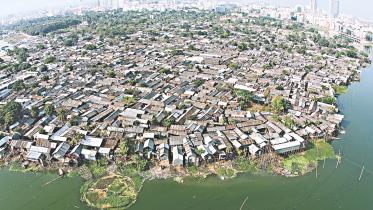
Pins and needles at the time of a pandemic
The COVID-19 pandemic has shaken the world’s economy and has been the most pronounced public health disaster since the Spanish Flu which took place just about 100 years ago.
19 April 2020
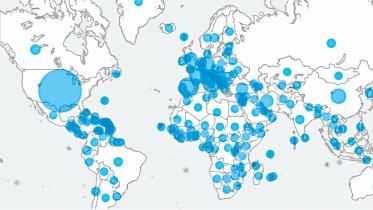
COVID-19: What is it exactly?
The usual pace of human life has suddenly come to a halt, thanks to an invisible organism. A novel form of coronavirus, SARS-CoV-2, responsible for the coronavirus disease (COVID-19), has completely changed our lives in just a few months.
12 April 2020
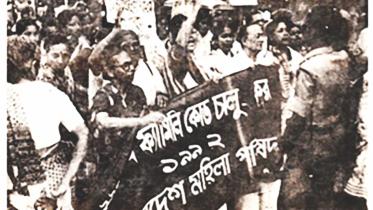
The Women's Movement in Bangladesh Throughout the Years
Over three decades ago, in 1988, March 8 was first observed in Bangladesh as International Women’s Day. The women’s movement has always been deeply rooted in this society.
5 April 2020
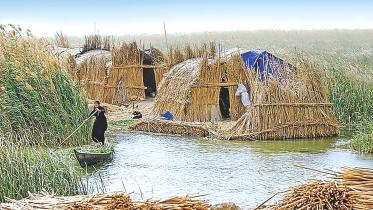
An urban demise is on its way: How can we stop it?
Throughout human history, people have claimed and controlled nature and have built empires of civilisations.
22 March 2020
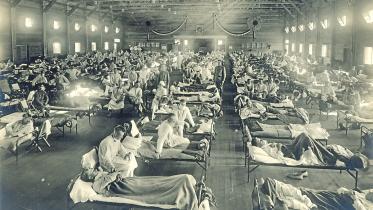
Pandemics that changed history
In the realm of infectious diseases, a pandemic is the worst case scenario. When an epidemic spreads beyond a country’s borders, that’s when the disease officially becomes a pandemic.
15 March 2020
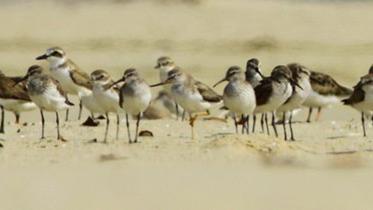
The million promises and little perils of bird-watching by the coast of Bangladesh
It is years ago now. The day I took a bus to the southernmost tip of Bangladesh with a group of people wearing khaki-coloured shirts, two-in-one pants, carrying heavy duty binoculars, spotting scopes and talking excitedly about a bird.
8 March 2020