



Part I / From Artificial Intelligence to the Artificial State: Is the Trajectory Inexorable?
7 October 2026
•
In Focus
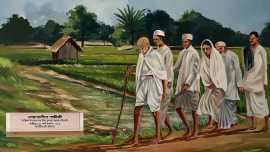
157th Birth Anniversary of Mahatma Gandhi / Gandhi’s return to Noakhali
6 October 2026
•
In Focus
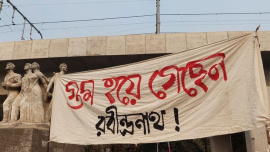
Why does Tagore still trouble Bangladesh’s idea of ‘us’?
5 October 2026
•
In Focus
Can Bangladesh make better use of its zakat money?
4 October 2026
•
In Focus
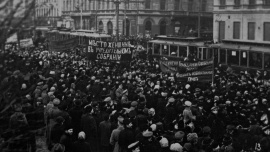
Three revolutions that reshaped the world
2 October 2026
•
In Focus
Paradise lost and found: Rediscovering early modern Bengal
1 October 2026
•
In Focus
Unbound Mother: The making and remaking of Kaali in Bengal
30 September 2026
•
In Focus
Do great leaders make history, or does history make them?
29 September 2026
•
In Focus
Poison and cremation: A forensic history of colonial Bengal
28 September 2026
•
In Focus
Partition, Bor Porong and the Chakmas’ unfinished struggle for belonging
27 September 2026
•
In Focus
How music carried Bangladesh’s struggle to the world
In 1971, artists did not merely respond to history—they helped shape it.
15 December 2025
Kazi Fazlur Rahman, a civil servant and an intellectual giant
Kazi Fazlur Rahman was a Member of Bangladesh’s first Interim Government in 1991
15 December 2025
Chittagong, before Chittagong: An early history
In the remote east of a region once called Harikela lies Chittagong, an upper Bay of Bengal port city at the juncture of the medieval Bengal, Arakan and Tripura kingdoms.
14 December 2025
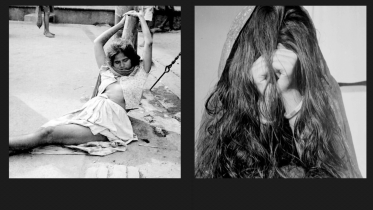
The untold story behind 1971’s two most haunting photographs
Because the image was published, Naib Uddin’s life came under threat.
12 December 2025
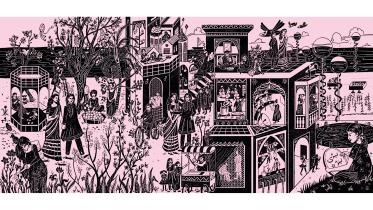
What Begum Rokeya knew about changing Bengali Muslims from within
Liberation is not about what one wears or does not wear but about the values they live by
7 December 2025

Living in a time of fear: The rise of digital inquisition in Bangladesh
The pervasive violence — both physical and symbolic — in our times is contagious.
4 December 2025
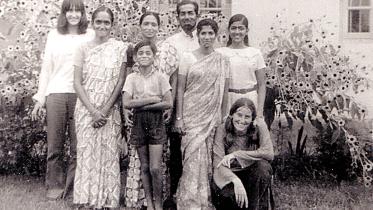
A British witness to Bangladesh genocide: Val Harding’s 1971 story
In April 1971, at the age of 24, Val Harding was volunteering as a nurse at a hospital in Kathmandu, Nepal, when she first heard of the atrocities on March 25 in Dhaka and the fight for the Liberation of Bangladesh.
30 November 2025
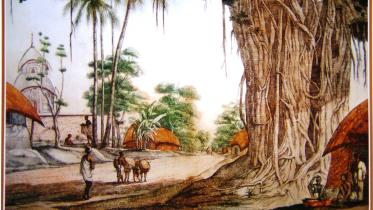
Early North Bengal: A (re-)creation and a lone journey
Naturally, ENB, which was mentioned as Puṇḍravardhana-bhukti in the Gupta epigraphs, remained mostly understudied.
30 November 2025
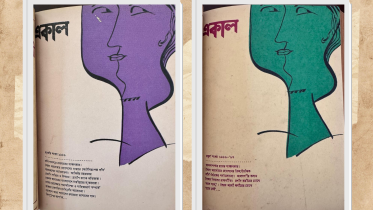
My experience as an editor of a Bangla magazine
We wanted Edesh-Ekal to say something to all citizens and at the same time to maintain a strong focus on women and their problems
28 November 2025
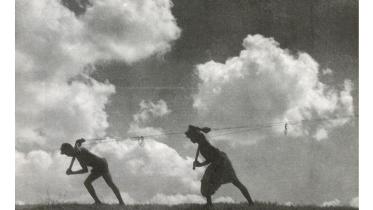
‘Struggle’: Noazesh Ahmed and his first masterpiece
All his life, Noazesh remained immersed in the enchantment of art.
24 November 2025
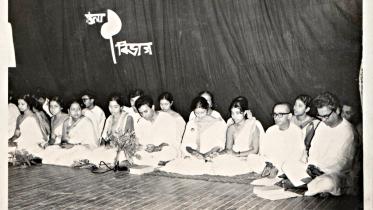
Remembering Munier Bhai
Munier Chowdhury's extraordinary contributions—not only through his own work but also by inspiring others and engaging in dialogue—made him unique.
23 November 2025

Photographing Muslim women: How Sufia Kamal broke the camera taboo
Sufia herself faced no trouble for having her photograph printed, but her poem did create difficulties.
20 November 2025

Dhaka’s forgotten WWII story: What soldiers feared more than Japanese bullets
The US soldiers and Allied crews who passed through Dhaka during the war ended up fighting two battles at once
18 November 2025

Bhashani and the gayebi janazah of 1968: A photographic history
The atmosphere was heavy and tense. It seemed unlikely that people would turn up for the gayebi janazah.
17 November 2025

Two forgotten kingdoms of Bengal
Maps are regarded as affirmative visual documents, permanently fixing places, distances, and itineraries in our minds. Yet we often forget that early modern maps were subjective texts, only approximating places.
16 November 2025

‘Let democracy be free’: The image that shook a dictator
After the photo’s publication, government intelligence officers began searching for Pavel Rahman.
10 November 2025
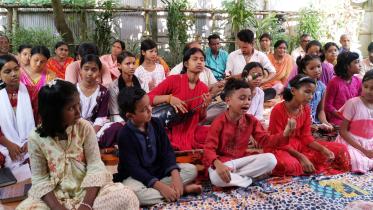
A song for the soul
How ‘Mayer Tori’ is reviving folk music in the north
10 November 2025

The Bhola Cyclone and the making of Bangladesh
Beyond its tragic human cost, the Bhola Cyclone likely had political consequences—within a year, a new nation was born.
9 November 2025

“Why should I leave?” The Partition in the cinema of Ritwik Ghatak
The agony over Partition-related uprootings from home and homeland suffuses Ghatak's cinema.
3 November 2025

The Last Republican
Tajuddin’s politics was not about quick wins or symbolic gestures
3 November 2025