Why is there so little discussion on books?

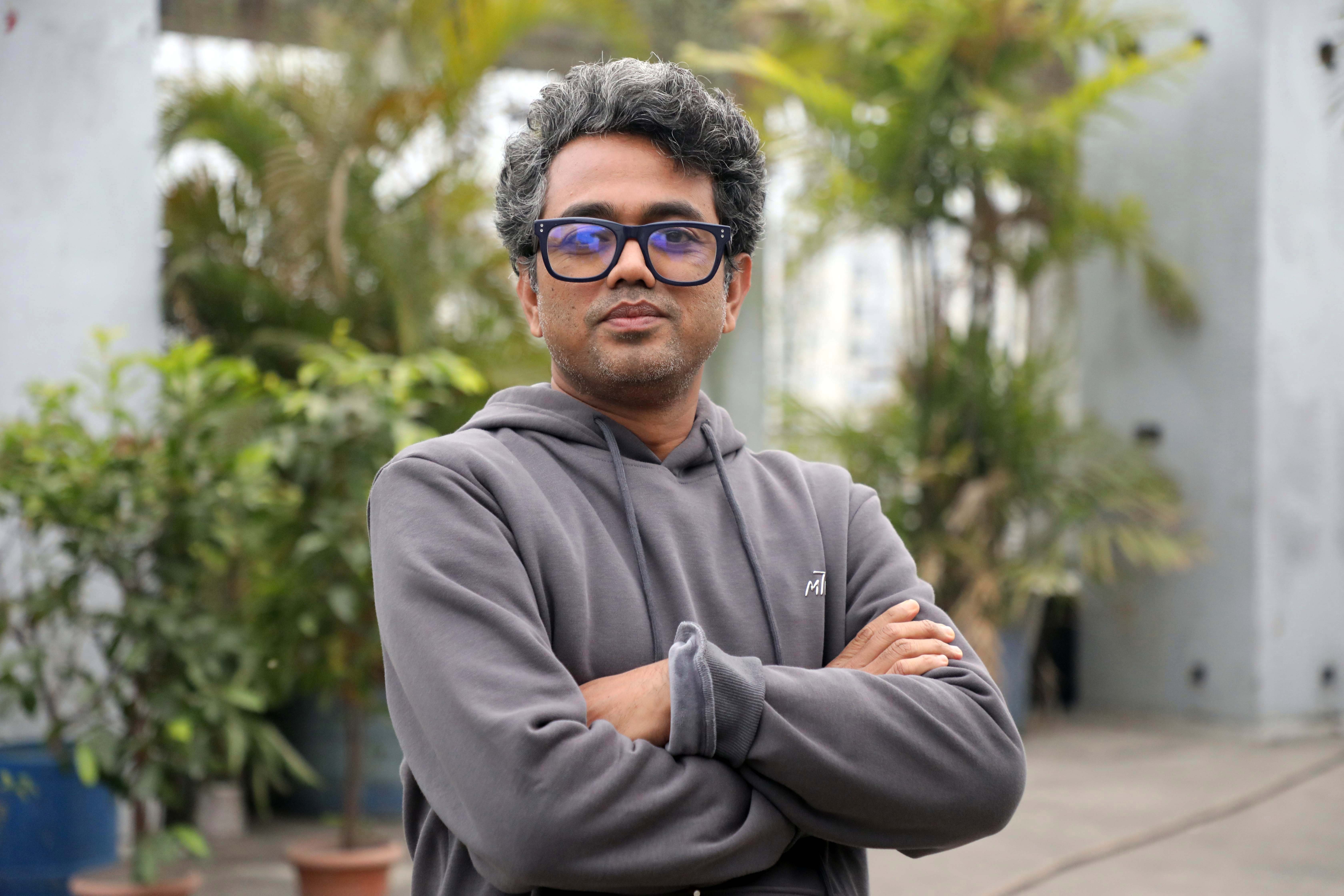
In conversation with Foysal Ahmed, editor of the book magazine Ebong Boi.
The Daily Star (TDS): How did the idea of Ebong Boi come about?
Foysal Ahmed (FA): Ebong Boi officially began its journey seven years ago, but the planning started much earlier. I am primarily a writer, beginning with short stories, and as I started writing book reviews for various publications, I began to think about how impactful a dedicated newspaper or magazine focused solely on book reviews could be. I even created a Facebook page under the name Ebong Boi just to see how the name would resonate.
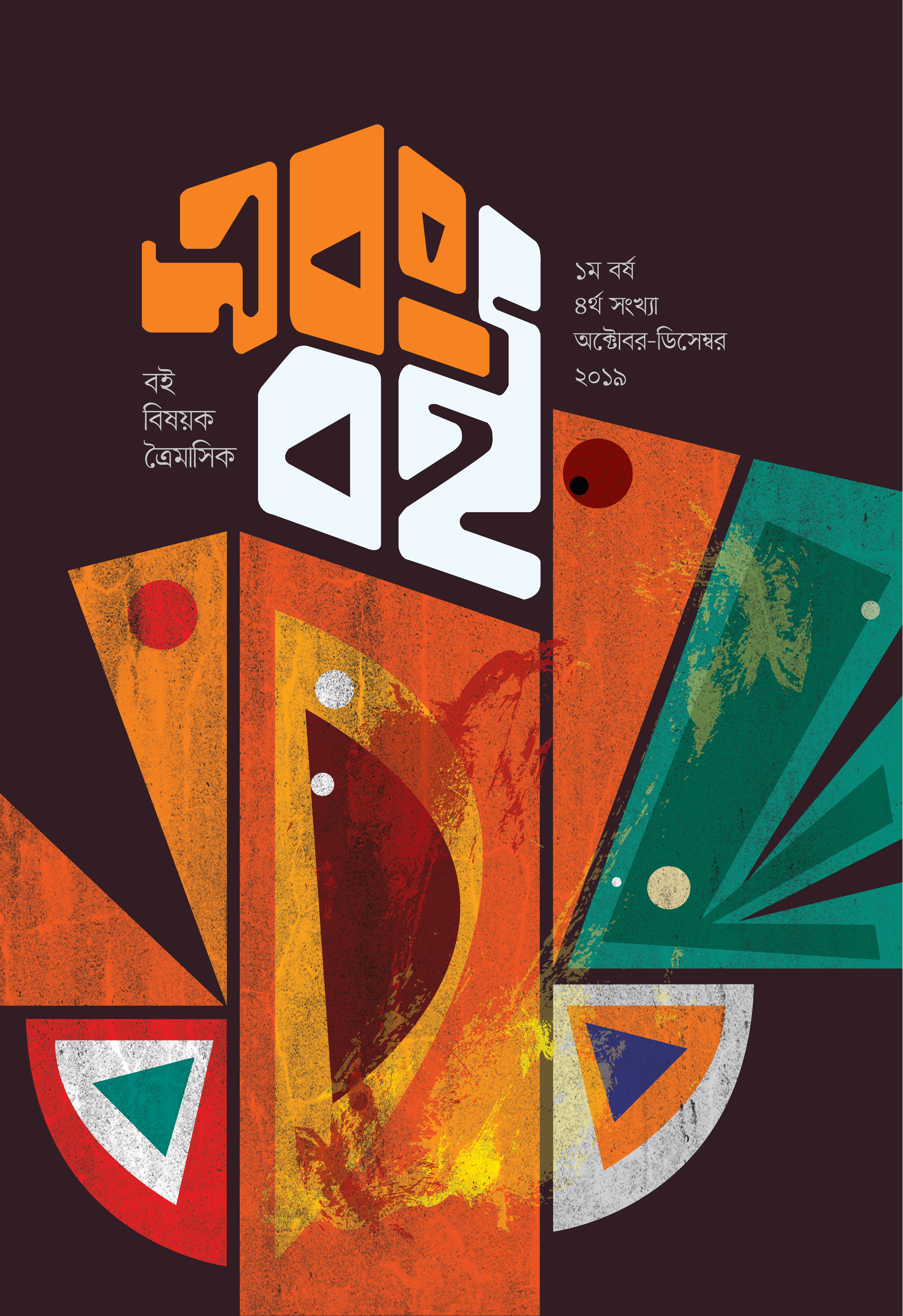
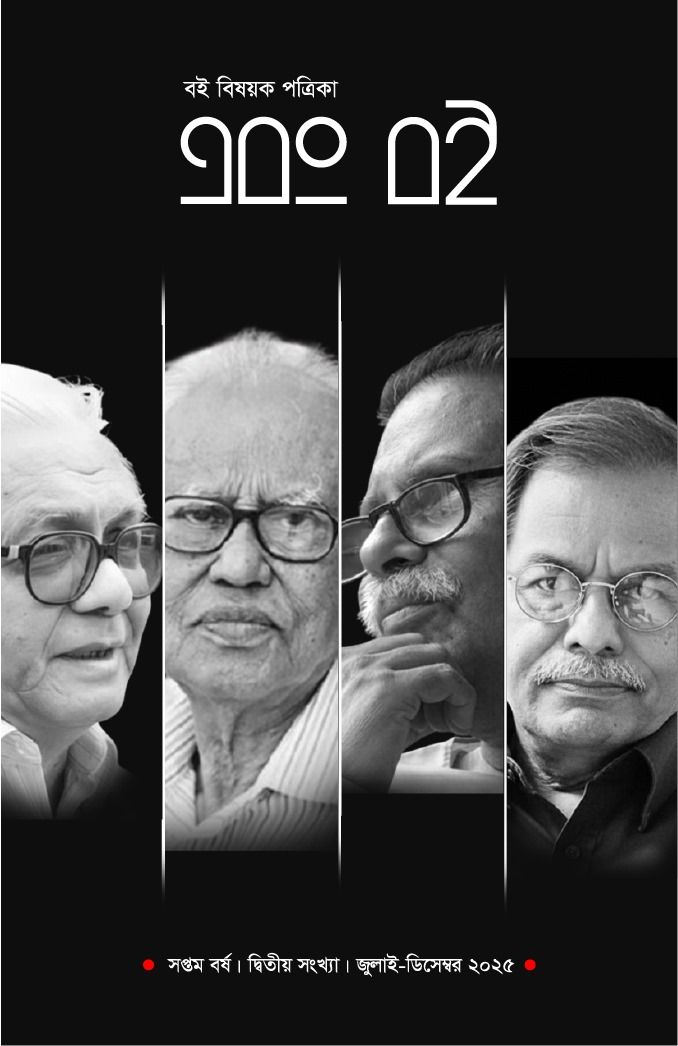
At the time, I did not know exactly how it would take shape, but the dream was gradually forming. I had already published several books by then and discussed the idea of a book-focused magazine with a publisher friend. However, it seemed very difficult due to financial constraints and professional busyness. Such initiatives require a structured plan, and at that time I did not have the capacity to execute it. Eventually, that friend, Hasan Tareq, offered to start it together, and we launched the first issue seven years ago at the Amar Ekushey Boi Mela. That first issue established the character we have maintained through 22 subsequent issues: featuring book reviews, essays, book introductions, interviews, and literary news. The main feature is that it is exclusively a book-oriented publication; we have always tried to bring good books to the forefront.
TDS: How has the journey been over these seven years? Would you like to share any interesting experience?
FA: It has been a difficult journey. If you asked me today whether I would start such a publication from scratch, without any prior record or experience, knowing what I know now, I would probably not do it. In a country of 200 million people, where 4,000 to 5,000 books are published at a single book fair, it is surprising that dedicated book magazines often fail to survive in the long run. Although there are 500 to 600 active publishers, the support from publishers and writers has not been as consistent or as active as needed to make the magazine a strong catalyst.
However, I have met many people who sincerely appreciate the work. Seeing strangers buy and read Ebong Boi brings me immense joy and continues to inspire me to carry on.
TDS: What are some of the challenges you have faced during these years of running Ebong Boi?
FA: Over the past seven years, during which we have brought out 22 issues, several challenges have stood out as particularly significant. The first is the collection of writing—especially book reviews. The practice of writing book reviews is very limited in our context, and many writers are reluctant to take on this labour-intensive task. As a result, what we may call critical literature or literary criticism has not been able to establish itself firmly. Even so, across the 22 issues of Ebong Boi, we have published a total of 156 book discussions, 32 interviews, 53 essays and articles, and 17 instalments of ‘Book Conversation’.
Behind each publication lie multiple stages: selecting the books, procuring them, sending them to designated reviewers, and collecting the manuscripts in time for publication. Added to this is the question of honoraria for contributors. During the first five to six years, we were able to ensure at least a minimum honorarium for all contributions; however, this has now become increasingly difficult to sustain fully.
The second major challenge is managing publication costs, including printing and distribution. In the post–COVID-19 period, production costs have increased severalfold. As an entirely personal initiative, we have had to confront these challenges on a continual basis.
Then there is the matter of distribution—ensuring that the magazine actually reaches readers. In the beginning, as a new publication, it was difficult to secure shelf space in bookshops. Even when space was obtained, sales proceeds were not received regularly. After commission deductions, the small amounts collected were often exhausted through repeated trips to collect them. Above all, as an almost advertisement-free magazine devoted solely to books, the journey of Ebong Boi has never been an easy one.
TDS: Is this project fully self-funded?
FA: Yes, it is funded entirely through my personal resources. We receive a negligible amount from advertisements, which often does not even cover the cost of paper. We started with a huge amount of enthusiasm, and believed that something good would come out of it, but that enthusiasm quickly faded because the people we needed beside us—such as publishers and writers—did not extend the same level of support.
TDS: Research and study specifically related to books are quite rare in Bangladesh. How can this be improved?
FA: While many people are writing books, a separate culture of “studying” books has not developed. State institutions such as the Public Library and the National Book Centre should play a role in encouraging good books and recognising writers and readers, but they often remain tied to partisan or political thinking. There is a lack of collective effort to turn publishing into a true industry. There is a significant gap in this regard in our country, unlike the market in India, where a decent book can sell many more copies than it does here. Strangely, from what I have heard, sometimes only 100 copies are printed here. In my view, at least 300 copies should be printed for a book to do reasonably well in today’s market.
TDS: Do you have any specific initiatives to address this gap?
FA: Since this is a personal initiative, our reach at the national level is limited, but we do try. Over the last seven years, we have not only published book reviews; we have also arranged book discussion sessions where we select specific titles for in-depth conversation. Additionally, we have distributed approximately 5,000 books free of charge to libraries and individuals to encourage the reading movement. Sometimes we do this under the banner of Ebong Boi, and at other times under our other magazine, River Bangla.
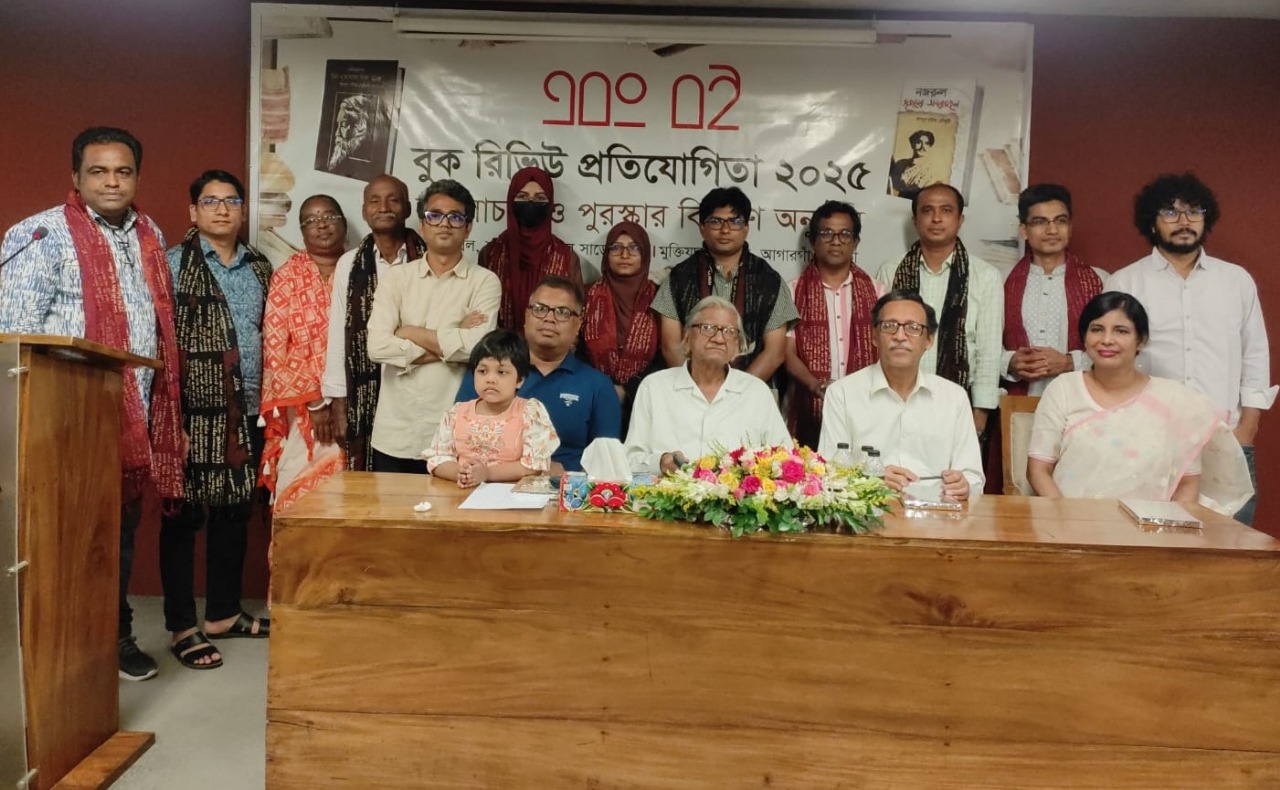
We also recently organised the Ebong Boi Book Review Competition 2025, which received a massive nationwide response. We used a neutral judging process to select ten winners, awarding them prize money and books. I also personally ensure that none of my own books are reviewed in Ebong Boi, in order to maintain the magazine’s integrity.
TDS: What are your future plans and expectations for Ebong Boi?
FA: To be honest, I believe that in a country of 200 million people there should be several magazines devoted to books. There needs to be more wide-ranging and multidimensional engagement with books. Within our limited means, we are trying to carry out some of this work, as I mentioned earlier.
From its very first issue, we have been striving to shape Ebong Boi into an important platform for writers, readers, and publishers. To continue working towards the fulfilment of the dream with which Ebong Boi began its journey seven years ago, we seek the support and companionship of book lovers.
We want to continue the Book Review Competition in 2026 on a larger scale. We also plan to organise an “Ananda Sommelon” (Joyful Conference) to bring writers and readers together for discussions about books. We aim to host five or six selective book discussion programmes each year. Furthermore, we are planning a video or podcast format titled “Mukhomukhi Ebong Boi” to reach readers who spend most of their time on mobile devices and social media.
The interview has been taken by Ystiaque Ahmed of The Daily Star.
Send your articles for Slow Reads to slowreads@thedailystar.net. Check out our submission guidelines for details.

Beyond 1947 / A personal essay
Abul Mansur Ahmad / A global quest in search of a nation

Chand Bibi and the forgotten history of Muslim women’s political resistance
Women’s voices in Nazrul’s Dhumketu
How Milad-un-Nabi shaped Muslim cultural life in colonial Bengal

What Rashomon teaches us about truth and human behaviour
Why Chittagong never became a maritime city
The many worlds of Ghulam Murshid