Muzharul Islam and his spaces of belonging


Niklaus Graber, architect, researcher, and author of Spaces of Belonging: The Architecture of Muzharul Islam, in conversation with Amirul Rajiv and Naim Ul Hasan.
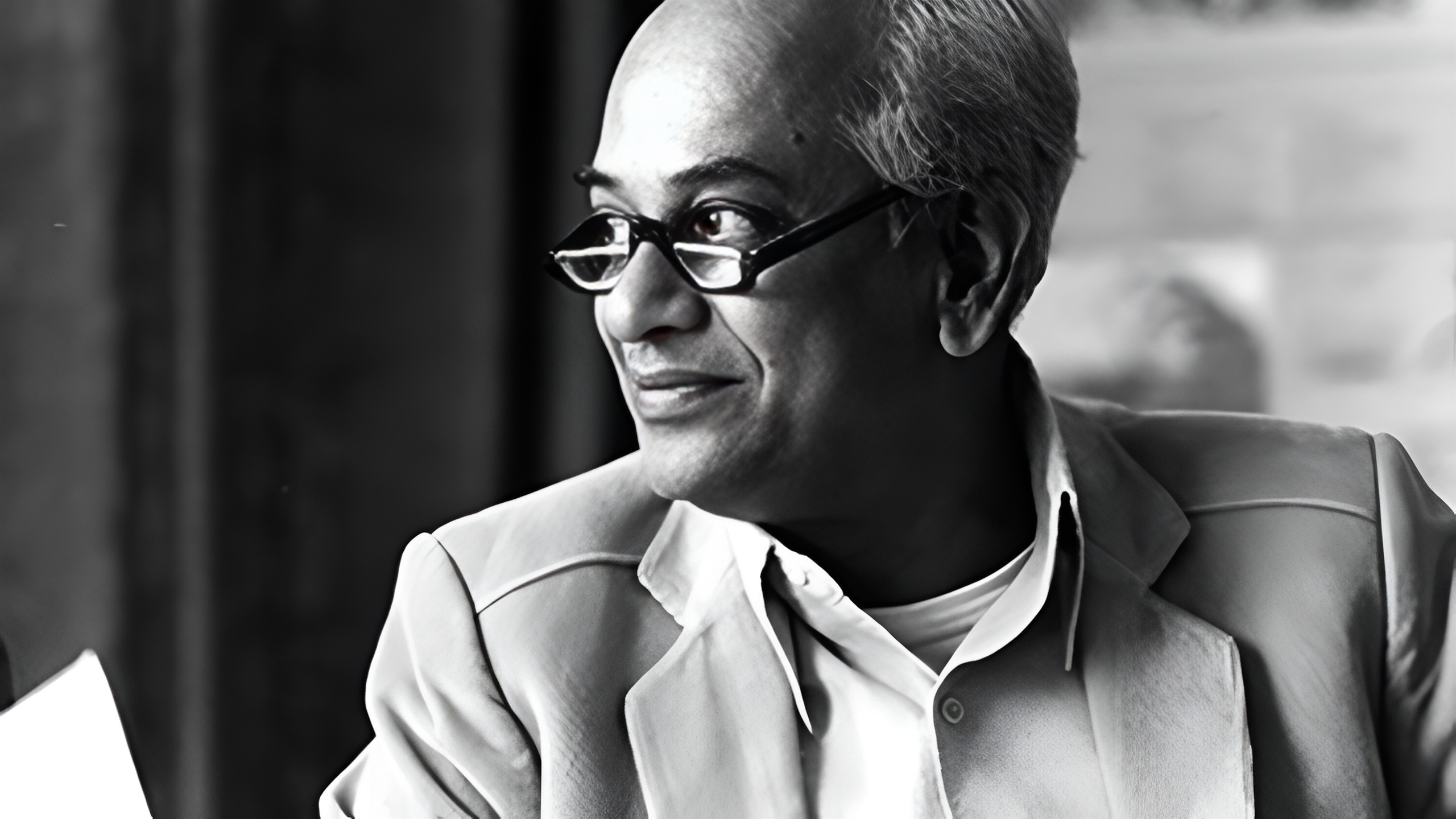
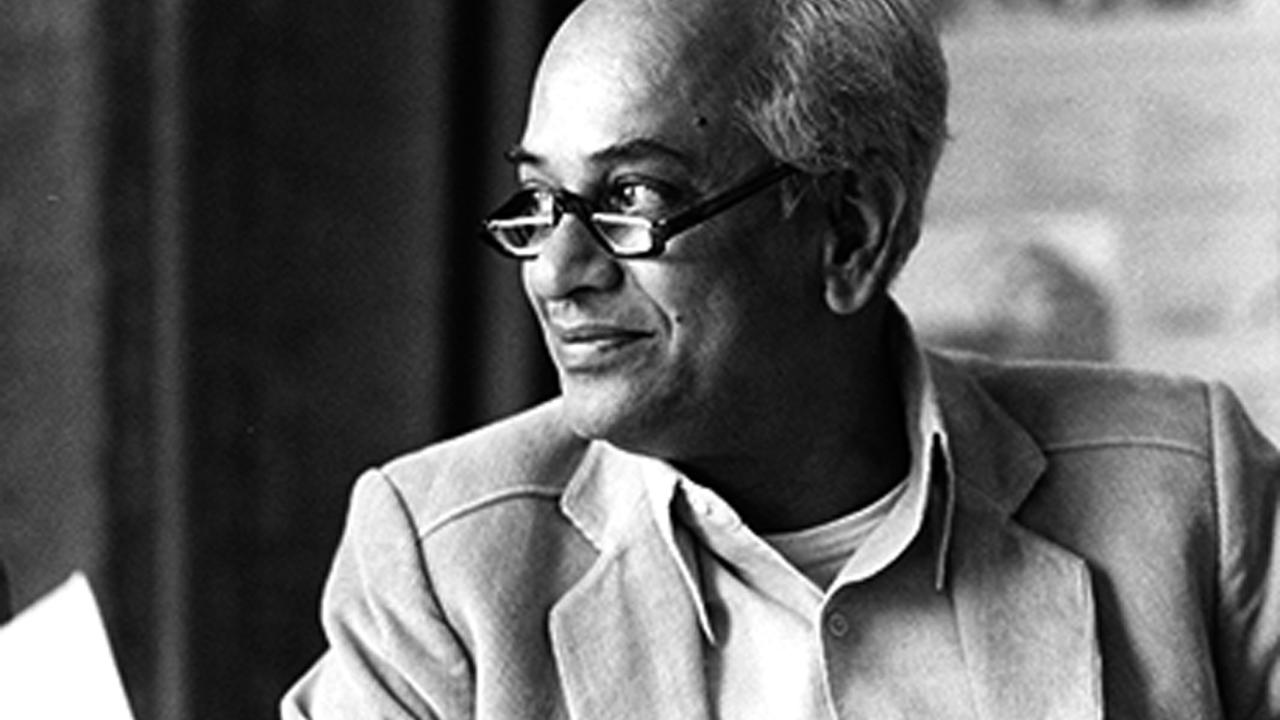
Muzharul Islam (December 25, 1923 – July 15, 2012) was the first trained Bengali architect and one of the first modernist architects in South-East Asia. He made a profound pedagogical contribution to shaping the architectural scene in Bangladesh and, through his international collaborations, placed Bangladesh on the global architectural map.
Spaces of Belonging — The Architecture of Muzharul Islam is a seminal publication on the life and work of Muzharul Islam by Swiss architect Niklaus Graber, a monograph that seeks to bring his long-overlooked work from the Bengal Delta onto the international architectural stage. The book, the first internationally published monograph on Muzharul Islam, argues that his architectural work constitutes a distinctive and influential body of work that has remained underrepresented in global architectural discourse for historical, geopolitical and archival reasons, and seeks to address that gap.
Spaces of Belonging positions Islam as a pioneering modernist whose oeuvre extends beyond his regional roots and speaks to urgent contemporary concerns: climate-sensitive, self-sufficient construction; the social porosity of architecture; the democratic use of building materials; socially engaged design; and the dismantling of colonial mindsets through collaboration on equal terms. The volume combines historical context with close readings of carefully selected built and unbuilt projects. Using essays, photographs and original hand drawings, it examines how Muzharul Islam translated social and environmental commitments into material, structural and spatial decisions.
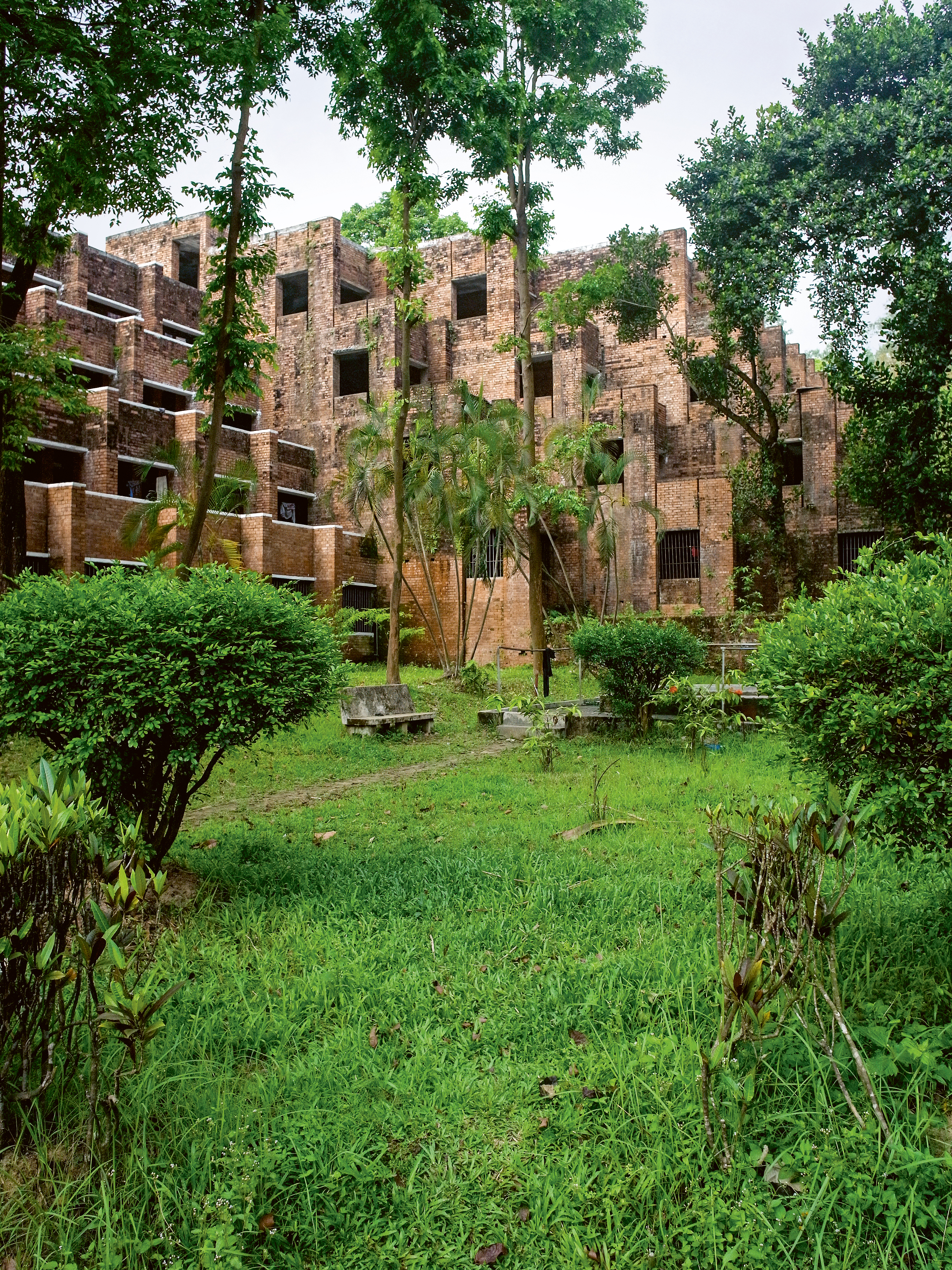
The well-composed photographs, taken by Graber himself, portray how the buildings evolved over time and became integrated into the lives and culture of both humans and the non-human world. One of the book’s notable research findings is Islam’s participation in the Second Architecture Biennale in Venice in 1981/82. The book features detailed plans and photographs of 10 carefully selected projects and also contains a list of 160 known projects, both built and unbuilt, by Muzharul Islam.
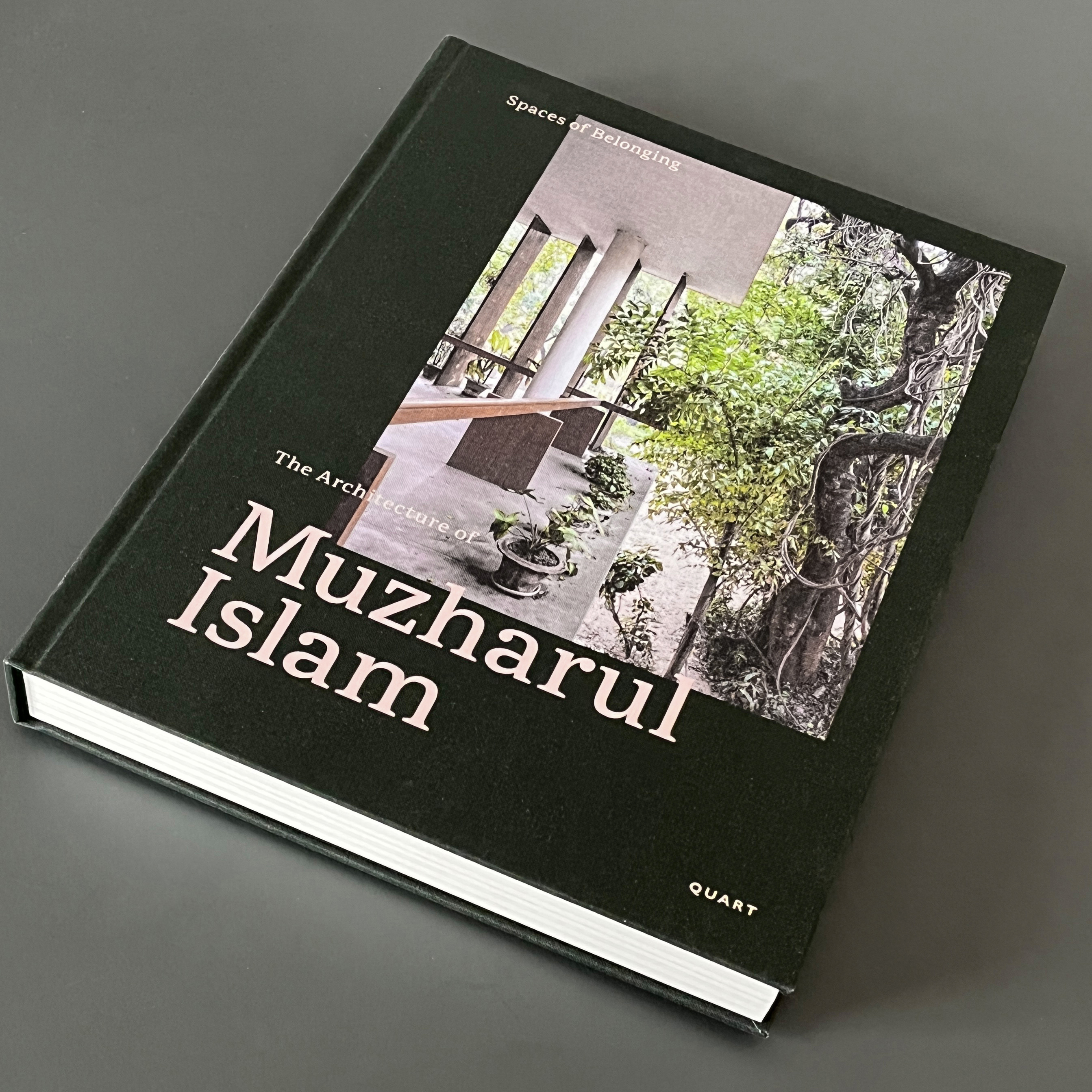
Rather than producing glossy heroics, the book adopts a critical stance. It highlights Islam’s holistic approach as a critical cosmopolitan and shows how he balanced local and universal concerns, individual and collective needs, and bridged the past and the future.
The monograph also documents Islam’s role in fostering cross-cultural dialogue and a vibrant architectural culture in Bangladesh, and how his buildings became symbols of a modern nation in the making. It closes with a detailed essay by architect Saif Ul Haque that situates Islam’s life, education, politics and activism, his office Vastukalabid, and the Chetana Society that grew around him. Although interest in Islam’s work is increasing and archives are being processed, substantial opportunities for further research remain. This book offers one valuable perspective intended to encourage such study.
Ultimately, Spaces of Belonging argues that Muzharul Islam’s restrained yet potent use of space, structure and construction created humane, pragmatic and poetic environments and, most importantly, ‘spaces of belonging’ that remain instructive for architects confronting climate change, social equity and decolonisation today.
Commemorating the 14th anniversary of Muzharul Islam's passing, Amirul Rajiv and Naim Ul Hasan spoke with Niklaus Graber about his book, Spaces of Belonging: The Architecture of Muzharul Islam. Held at the Duniyadari Archive in Dhaka, the conversation traces the evolution of the book, the role of the Muzharul Islam Archive, Muzharul Islam's legacy in modern architectural discourse, and the importance of conserving his drawings, plans, and existing buildings.
Niklaus Graber is a Swiss architect educated at ETH Zurich and Columbia University. He co-founded Graber & Steiger Architects in Lucerne, has taught at the Lucerne University of Applied Sciences and Arts. Graber maintains an ongoing engagement with Bangladesh’s architectural community through research visits, publications, workshops and lectures. He served as lead curator of the exhibition Bengal Stream: The Vibrant Architecture Scene of Bangladesh (launched in 2017 at the Swiss Architecture Museum, Basel), which toured Europe and Bangladesh.
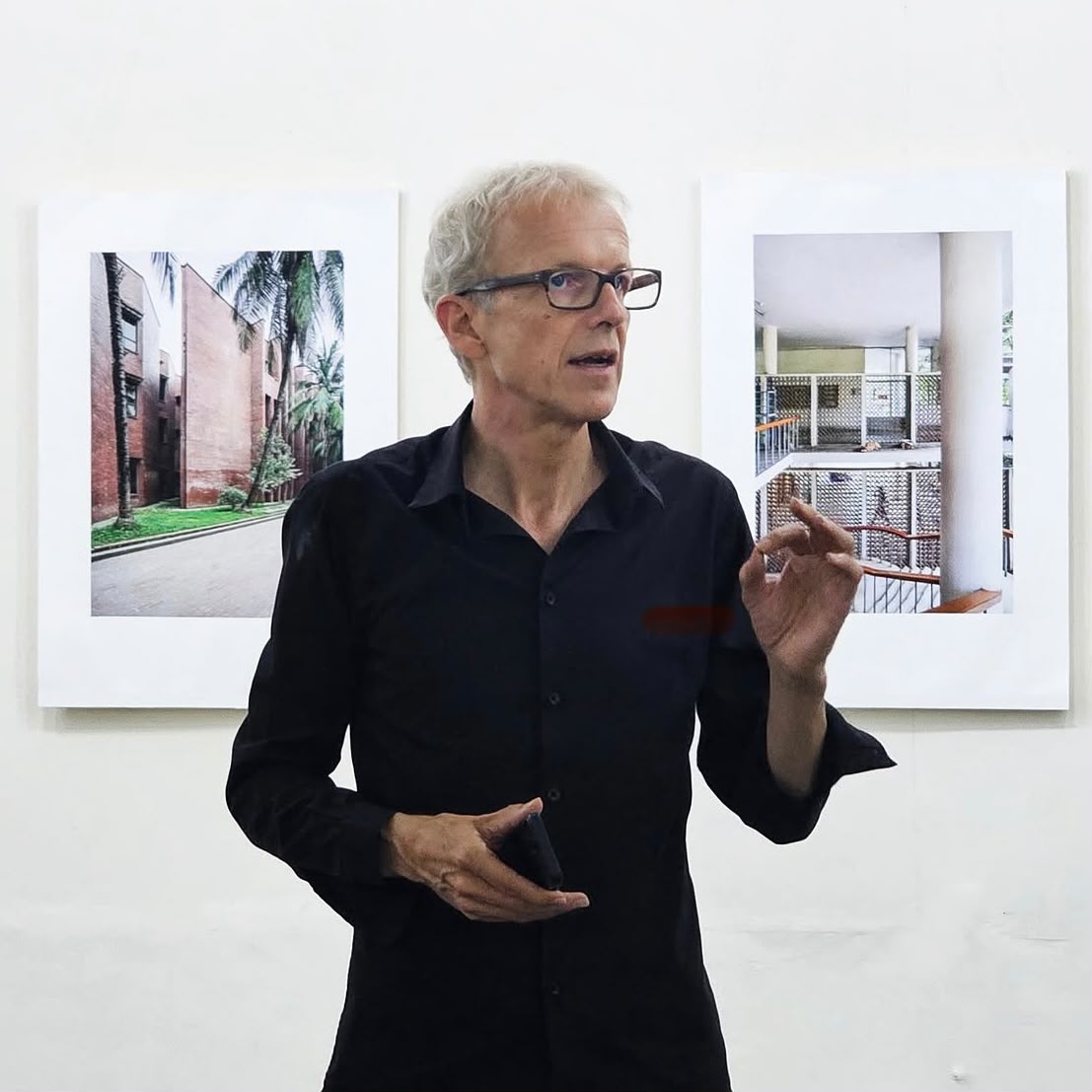
You have been visiting Bangladesh for the past 14 years, documenting, among other things, Louis Kahn's masterpiece, the National Parliament of Bangladesh. Through that journey, you discovered Muzharul Islam, the visionary who made that remarkable project possible. What drew you to Muzharul Islam, and why did you devote so much time and effort to documenting his architectural legacy?
The reasons are manifold. Contemporary architectural thinking is clearly undergoing a shift, with issues such as environmental concerns, climate change, decolonial perspectives and social justice becoming increasingly central to architectural debate. I have never experienced such a significant shift throughout my career. Now we are mixing things up in a new way, and we are trying to ‘reinvent’ everything. But I feel that these issues have been addressed in every period of history and remain relevant to this day.
To me, architecture was inherently sustainable until perhaps 50 or 60 years ago. In the late 1970s and 1980s, with all the superficiality and the rise of neoliberalism, architecture, in many cases, simply lost its way. During the past few decades, we have unfortunately witnessed movements that were clearly misguided: formalistic approaches that wasted energy and space, neglected key social aspects of the profession, and became expressions of decadence.
It seems that we have forgotten what architecture actually means. For thousands of years, architecture was synonymous with tectonics, which means a sustainable and logical process of joining stone by stone, beam by beam, truss by truss.
It is important to return to these roots. That is why certain architects and their work deserve greater attention. We have Charles Correa, B. V. Doshi, Achyut Kanvinde and Geoffrey Bawa—they are all outstanding—but, in my opinion, nobody was as consequential as Muzharul Islam. What sets him apart is his commitment to social thinking. In the end, he entered politics, not because he abandoned architecture, but because he wanted to realise architecture on a broader societal scale through politics. That is what makes him so different from the others. I mean, it is a rather strange idea that many architects believe we are the ones influencing society. It is not true. Society influences us, and we have to serve society and do our best to support its aspirations.
When we think about what architecture can achieve with its core tools—light, proportion and appropriate programming—Islam’s works stand out. And that was one of the reasons for producing this book.
When I came to Dhaka for the first time in 2012, everyone here was talking about Muzharul Islam, but I had hardly heard of him in Western architectural discourse. There were local publications at the time, of course, but no comprehensive monographs that reached the international stage. I felt that an international publication was long overdue, and that was why I chose an international publisher.
How many projects did you choose for the book? And what was the selection process?
It's kind of a linear, chronological catalogue of his works, representing the so-called ‘periods’ of his career. It's always difficult to talk about ‘periods’ because you cannot separate things from each other. But I tried to choose ten projects spread all around Bangladesh. For instance, the Joypurhat housing project at the limestone mining and cement works, and, of course, the large universities in Chattogram and Jahangirnagar. This is exceptional for an architect. Globally, you would see that many architects built museums and stadiums. But he cared about education on a grand scale. Not many architects did that. And he built mainly educational, research and public buildings on the scale of large infrastructure projects. There are, of course, smaller private ones. But I preferred to choose the ones with the larger social impact, although the smaller ones are also excellent. Another reason for choosing public projects was documentation. In many cases, for the smaller ones, either the drawings are missing or you cannot photograph them anymore because they have been destroyed or heavily altered. There are not many that you can really document properly. And for a first book of its kind, I thought it would be a good idea to include these larger projects with their social impact because these are all about the collective and not about the individual.
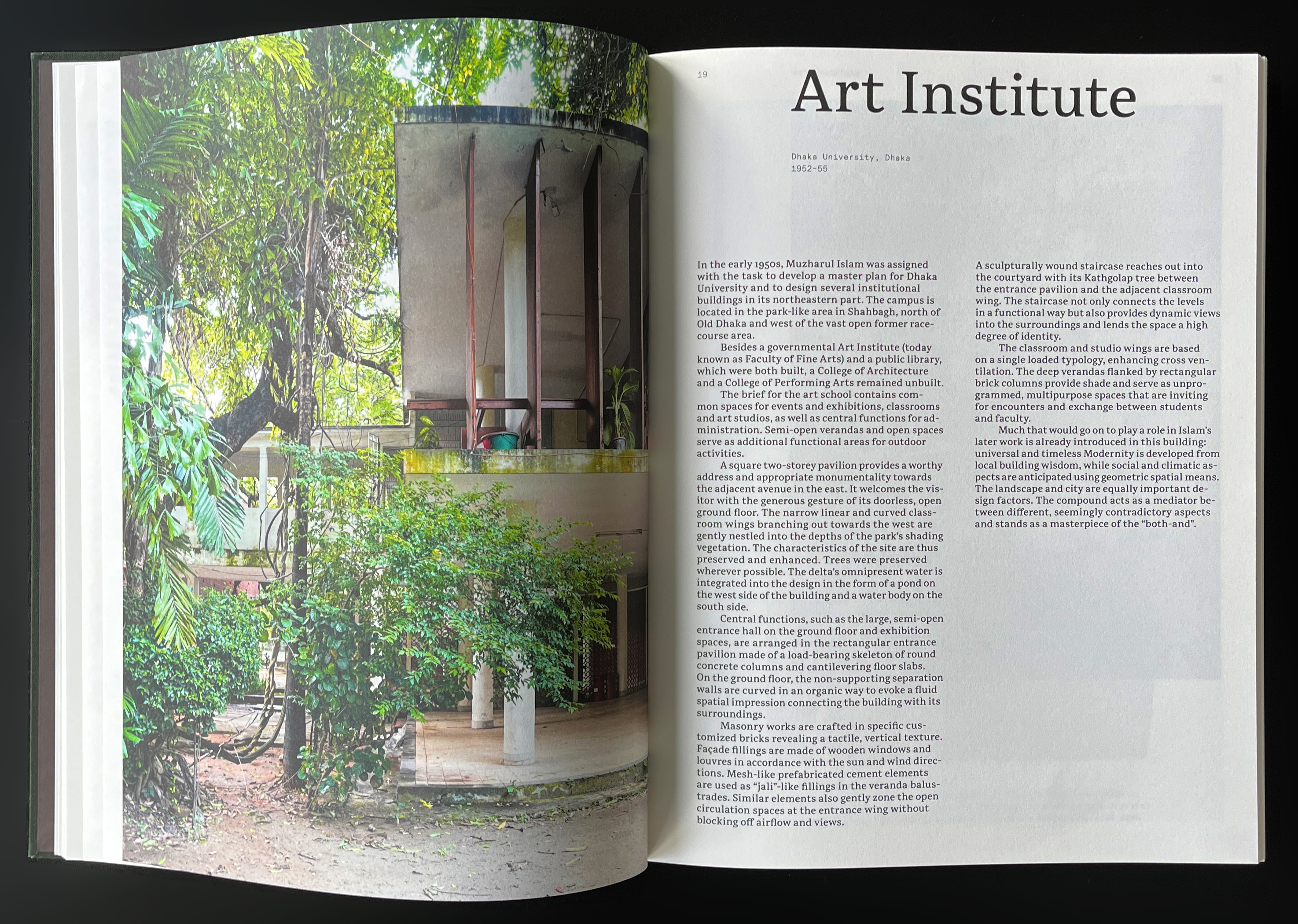
How did you come across Muzharul Islam’s architectural plans?
All of the plans are from the Muzharul Islam Archive, hosted at the University of Asia Pacific (UAP), which has the largest collection of drawings. I have been in touch with them for a long time, since my exhibition and book project Bengal Stream, where they trusted me with some large-format drawings to take outside the country. They also shared drawings for the articles I wrote for architecture magazines. While editing the book, we invested a huge amount of time and resources in lithography to bring the plans to life while preserving their original character.
Where would you place Muzharul Islam within the global modernist movement in architecture? What informed your decision to position him as a modernist whose ideas developed in parallel with modernism elsewhere in the world?
The reason why he is modern is not because he went to the USA or England. Modernity evolved everywhere in parallel. Modernity was being practised here in literature during the Bengal Renaissance as early as 1815, much earlier than it was in architecture.
I'm simply placing him alongside others who have been regarded as the principal representatives of modernism in architecture, such as Alvar Aalto and Marcel Breuer. They were key figures of modernism, and there are hundreds of books written about them. It is in no way a comparison. Breuer produced fantastic work in one sense, and Islam produced fantastic work in another. But I'm simply saying that he was completely underrated. He needs to be placed in the right context so that people actually realise that there was somebody like Muzharul Islam.
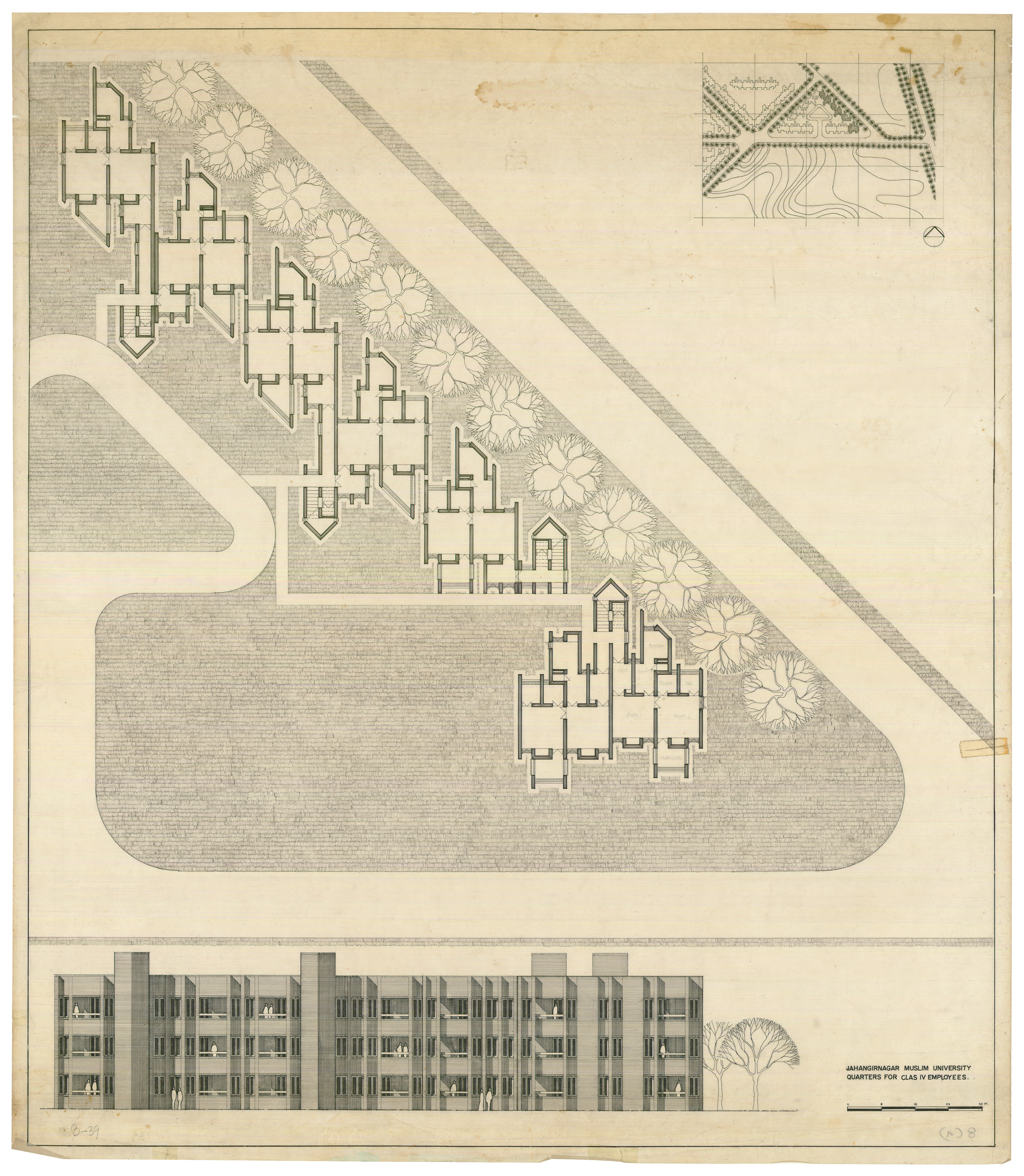
When we exhibited Islam's drawings and some photographs in the Bengal Stream exhibition, everybody had the same overwhelming reaction: ‘Why did we not know about him?’ I think the book and its texts question the hegemonic attitude of Western critics, who have always insisted that modernity was exported from the West to the East. The usual story is: Muzharul Islam, Correa and Doshi took Le Corbusier and transformed him!
I totally disagree with it. Islam's Fine Arts Building is not Villa Savoye. It emerges from the Bengal pavilion, the veranda. You look at Villa Savoye: the open ground floor is there for cars. It's not for students. Villa Savoye is a white box with only narrow strip windows and no connectivity. If you want to compare the Fine Arts Institute with other works, compare it instead with Alvar Aalto’s work in Paimio, nestled among the trees. But I don't actually want to compare them. I think Islam’s ideas evolved from here. Many Western modernists borrowed a great deal from the East. Frank Lloyd Wright had to go to Japan to become Frank Lloyd Wright. Many others, such as Bruno Taut, did the same.
When Le Corbusier published the phrase, “Architecture is the masterly, correct and magnificent play of masses brought together in light,” he placed it next to a photograph of a grain silo from the United States. So he claimed that he had discovered the play of light and shadow in the West, right? But somebody later found a sketch of the dome of a mosque alongside that quote in Le Corbusier’s notebook from when he was in Istanbul some years earlier. So he discovered the magic in the East, right? Yet he later claimed that he had discovered it in the West. This is how architectural discourses and ideas have been appropriated and distorted by the West.
My interest in Islam stems mainly from the curiosity of a practising architect. I'm not a historian. I'm not an archive specialist. I did this book because I think every one of my fellow colleagues, architects, clients, city planners, government agencies, etc., should look at Muzharul Islam from a real-world perspective.
Amirul Rajiv, an art historian and curator, and Naim Ul Hasan, a curator and archivist, are co-founders of the Duniyadari Archive.
Send your articles for Slow Reads to slowreads@thedailystar.net. Check out our submission guidelines for details.

Forgotten story of Jeanette Van Tassel, the American woman who flew over Dhaka in 1892
Beyond 1947 / A personal essay
Abul Mansur Ahmad / A global quest in search of a nation

Chand Bibi and the forgotten history of Muslim women’s political resistance

Women’s voices in Nazrul’s Dhumketu
How Milad-un-Nabi shaped Muslim cultural life in colonial Bengal

What Rashomon teaches us about truth and human behaviour
Why Chittagong never became a maritime city
The many worlds of Ghulam Murshid