Two visions of Sulh-i Kul: Akbar and Dara Shukoh

In contemporary South Asia, where communal tensions are often projected backwards onto history, there is an urgent need to recover the pluralistic ideals that once animated the region's medieval past. The Mughal period is usually misrepresented in popular discourse as an era of unrelenting religious strife, conflict, and discrimination against non-Muslims. Such caricatures not only distort historical reality but also obscure the sophisticated intellectual and political traditions that sustained one of the world's most diverse empires for over three centuries.
Among the many concepts associated with the Mughal Empire, few have acquired as much resonance as ṣulḥ-i kul, literally "peace with all" or "universal peace". It is generally treated as though it possessed a single, fixed meaning. The idea underwent a profound transformation between the reign of Emperor Akbar and the intellectual world of Prince Dara Shukoh. Both upheld ṣulḥ-i kul, yet they understood it in fundamentally different ways. Akbar made it the foundation of an imperial state; Dara transformed it into a philosophical and spiritual quest.
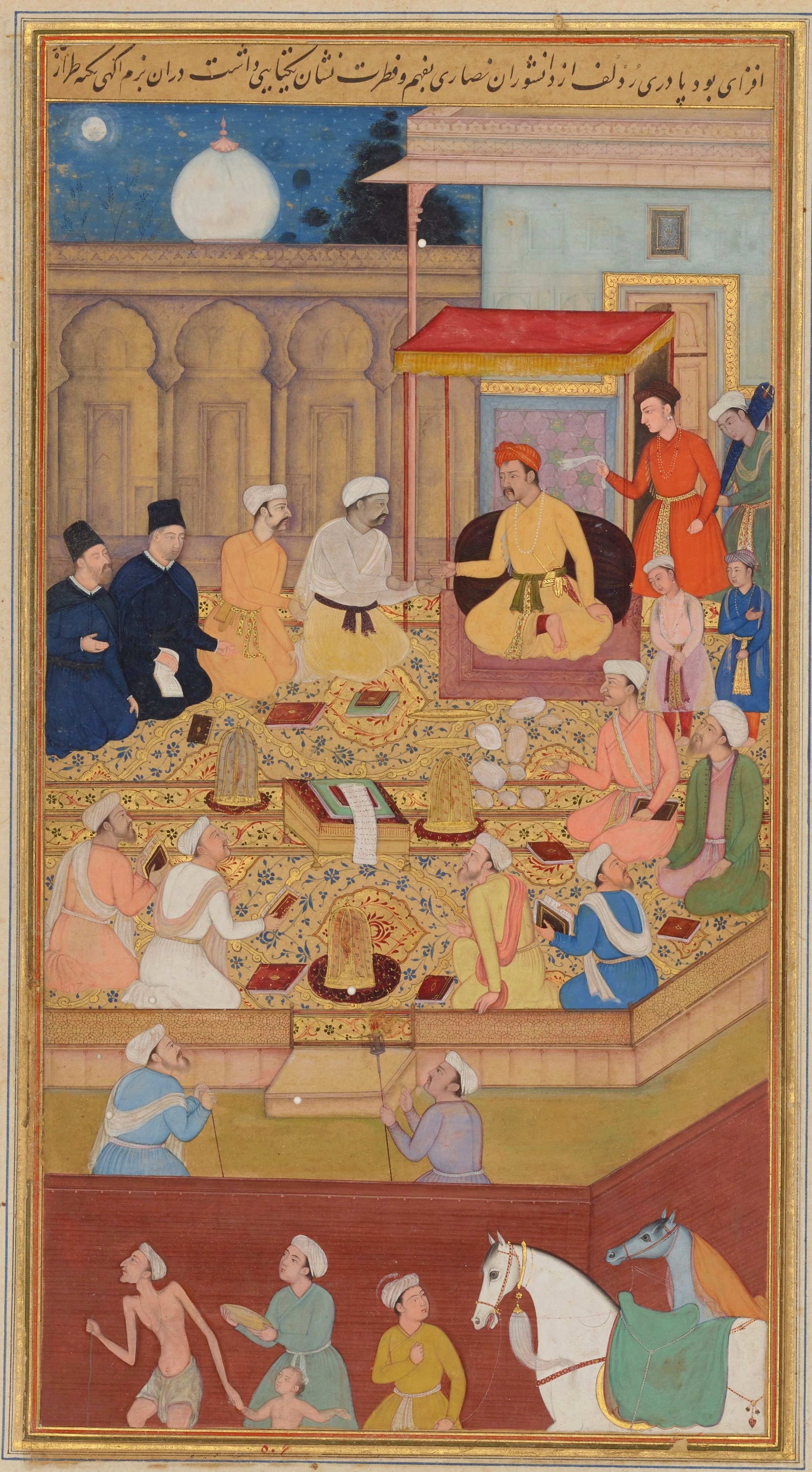
As Abu'l Fazl explains in the Akbarnāma and the Āʾīn-i Akbarī, the ideal sovereign must rise above sectarian prejudice and administer justice impartially to all his subjects. The emperor was to regard every community with the same eye, irrespective of religious affiliation. This principle did not merely advocate tolerance; it sought to remove religious exclusivism from the sphere of government. Modern historians such as Irfan Habib, M. Athar Ali, and Shireen Moosvi have shown that ṣulḥ-i kul became the ideological basis of the Mughal state under Akbar. It enabled an empire inhabited by Muslims, Hindus, Jains, Christians, Zoroastrians, and numerous other communities to function under one sovereign by making loyalty to the emperor, rather than adherence to a particular creed, the criterion of public service.
Contemporaries recognised the radical nature of Akbar's policy. The Jesuit missionary Antonio Monserrate, who spent several years at the Mughal court, observed in his Commentary that by treating every religion alike, Akbar appeared, in effect, to believe in none. From the standpoint of a Christian missionary, Akbar's refusal to acknowledge the exclusive truth of any one religion amounted to a rejection of all. Monserrate's criticism inadvertently captured an essential aspect of Akbar's political philosophy: the emperor deliberately refused to allow any religious establishment to monopolise truth or exercise authority over the state.
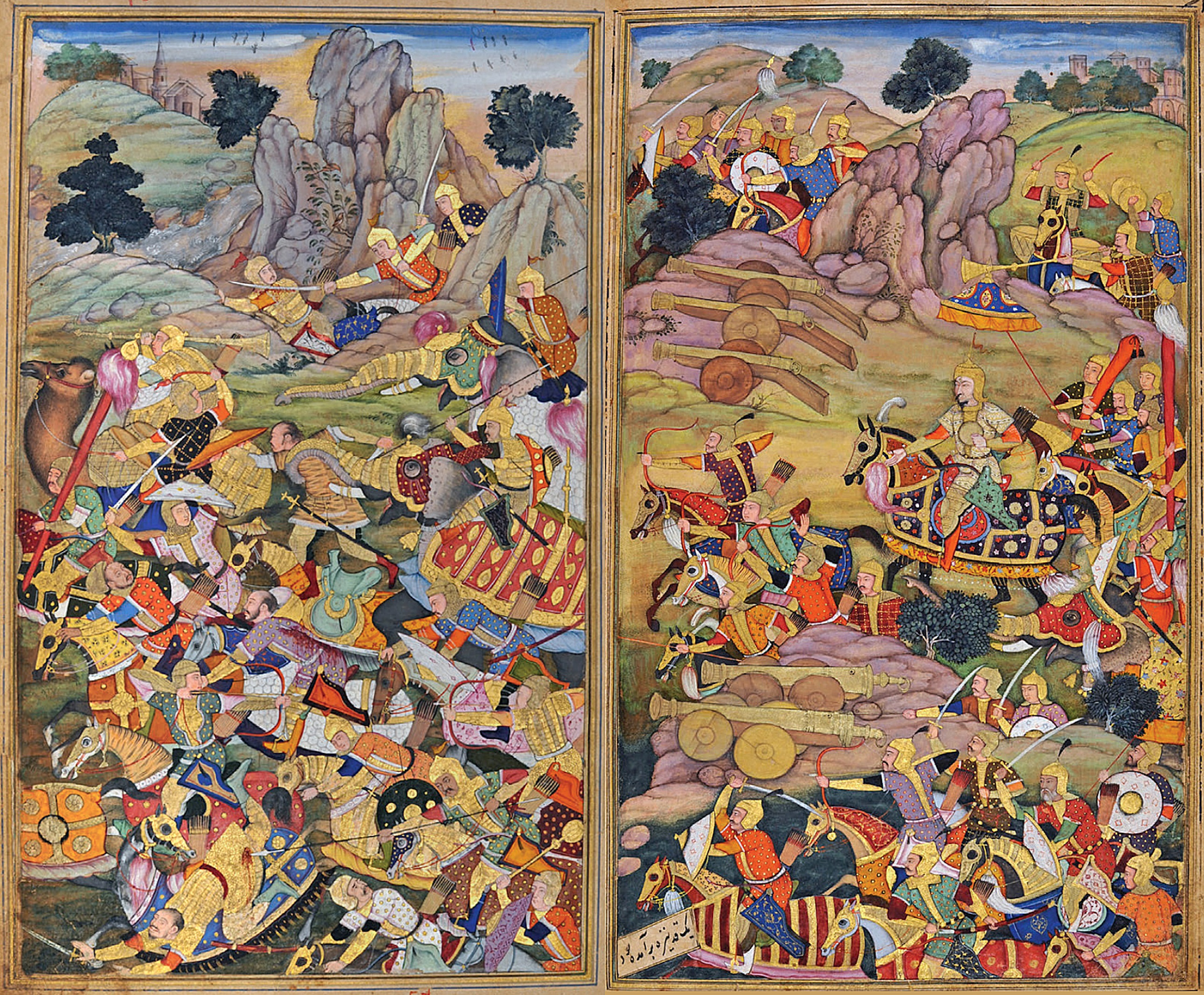
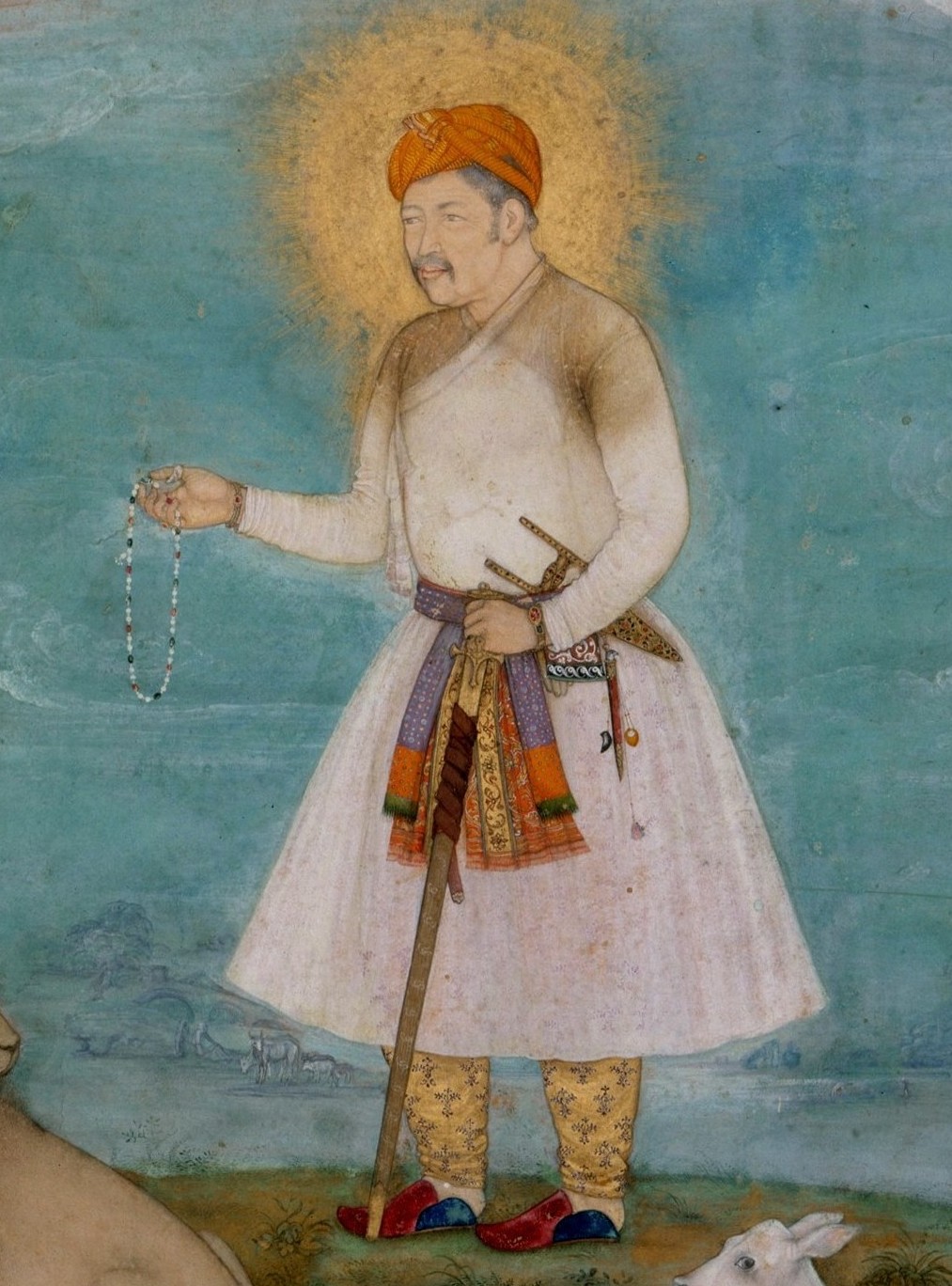
Several anecdotes recorded in Mughal sources further illuminate this outlook. On one occasion, Akbar was informed that Raja Todar Mal carried small Hindu idols concealed within the sleeves of his robe whenever he attended court. The emperor smiled and dismissed the matter by remarking that Todar Mal was merely a sādah-lawḥ, a simple-hearted man still attached to external forms. On another occasion, Prince Murad complained that some of his soldiers delayed obeying military commands because they insisted upon completing their namaz. Akbar again told him not to be disturbed, describing them also as sādah-lawḥ. He was not condemning idol worship or Islamic prayer. Rather, he regarded an excessive attachment to ritual, whether Hindu or Muslim, as evidence that one had not yet grasped the deeper truths that lay beyond outward observance. In this sense, Akbar's ṣulḥ-i kul stood for a conscious attempt to place the authority of the state above the exclusive claims of organised religion.
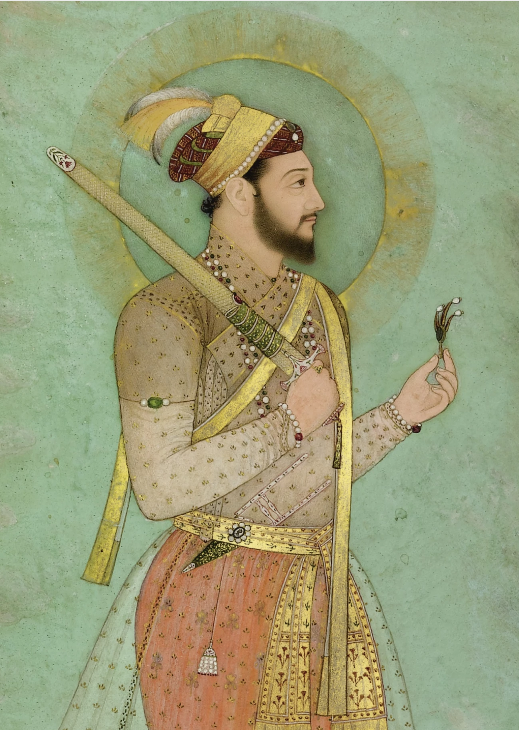
Dara Shukoh inherited this broad spirit of openness but gave it a vastly different meaning. If Akbar sought to rise above religions, Dara sought to enter into them. He did not suspend their truth claims; instead, he tried to show that they expressed the same truth. His ṣulḥ-i kul was therefore not a political doctrine but a metaphysical conviction, born out of his lifelong engagement with Sufism, Vedanta, and comparative religion.
Dara's intellectual journey began within Islam itself. Introduced by his father Shah Jahan to the celebrated Qadiri saint Miyan Mir, he later became the disciple of Mulla Shah Badakhshi. His early works, including Safinat-ul-Auliya and Sakinat-ul-Auliya, are devoted to the lives and teachings of Muslim saints. Risala-i Haqqnuma explores the stages of the mystical path, while Hasanat-ul-Arifin brings together sayings of celebrated Sufi masters. These works show that Dara's search for universal truth never involved abandoning Islam. On the contrary, he believed that Sufism stood for its deepest and most universal dimension.
This conviction eventually led him to Hindu philosophical traditions. His masterpiece, Majmaʿ-ul-Baḥrain ("The Mingling of the Two Oceans"), completed in 1655, stands as one of the most remarkable works of comparative religion produced anywhere in the seventeenth century. The "two oceans" were Islam and Hinduism, more precisely the mystical teachings of Sufism and Advaita Vedanta. Dara did not try to create a new religion, nor did he argue that one faith should replace another. Instead, he carefully compared their philosophical vocabularies, finding correspondences between tawḥīd and Advaita, between fanāʾ and moksha, and between the Sufi understanding of divine unity and the Vedantic conception of Brahman. Differences, he argued, lay in language, symbolism, and ritual rather than in ultimate truth.
Significantly, Dara had Majmaʿ-ul-Baḥrain translated into Sanskrit under the title Samudra Sangam. This was no mere literary exercise; it symbolised a dialogue flowing in both directions. Just as Sanskrit knowledge could be translated into Persian, so too Persian reflections on Hindu philosophy could be made available to Sanskrit scholars. It stood for an intellectual exchange rather than a one-way appropriation.
His greatest scholarly undertaking followed soon afterwards. In 1657, working with learned pandits from Banaras, Dara translated the Upanishads into Persian under the title Sirr-i Akbar ("The Greatest Secret"). In one of the boldest prefaces written by any Mughal prince, Dara declared that the Upanishads were the Kitab al-Maknun, the "Hidden Book" mentioned in the Qur'an. He believed that these ancient Sanskrit texts preserved an early revelation of the same divine truth that Islam later reaffirmed. The translation was not intended for Hindu readers alone; Dara wanted Muslim scholars, theologians, and Sufis to engage directly with the philosophical heritage of India, convinced that they would discover in it confirmation rather than contradiction of the deepest teachings of Islam.
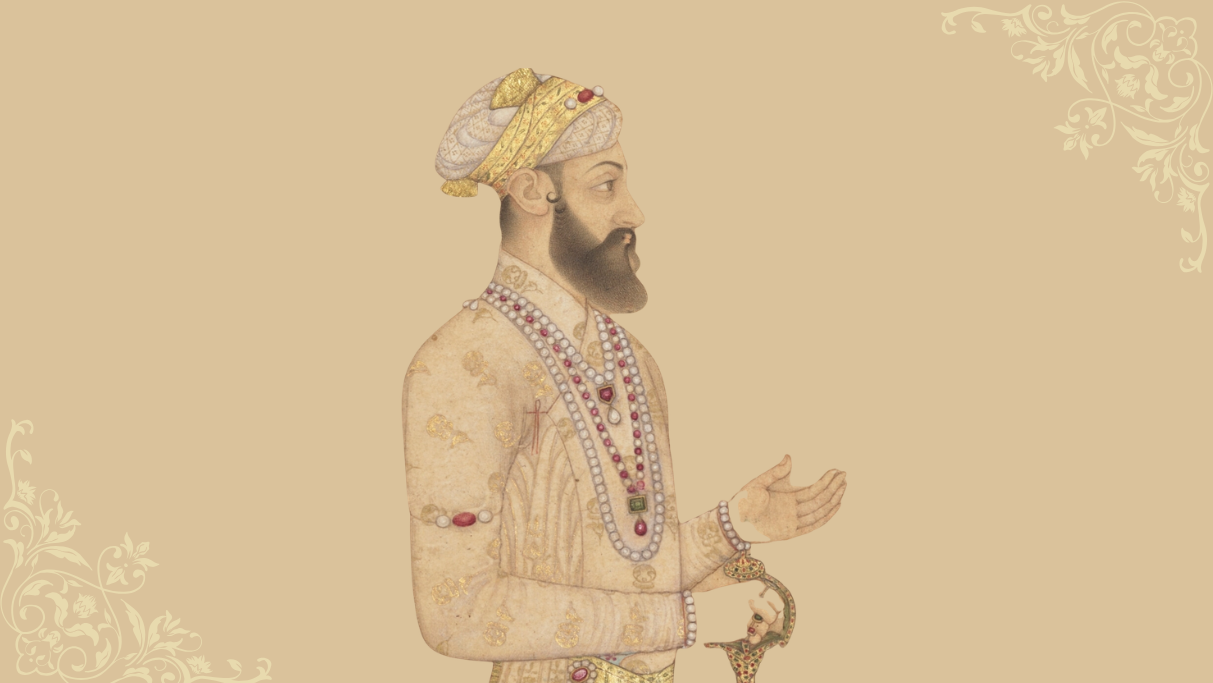
This explains the fundamental difference between Akbar and Dara Shukoh. Akbar's ṣulḥ-i kul was political. It accepted religious diversity as a permanent feature of society and sought to govern it through justice, impartiality, and equal treatment. Dara's ṣulḥ-i kul was philosophical. He regarded diversity itself as only apparent, believing that all authentic religions were different expressions of the same divine reality. Akbar neutralised religious difference to govern; Dara tried to reconcile it by uncovering its shared metaphysical foundations. Akbar's universalism belonged to the sphere of statecraft; Dara's belonged to the world of ideas.
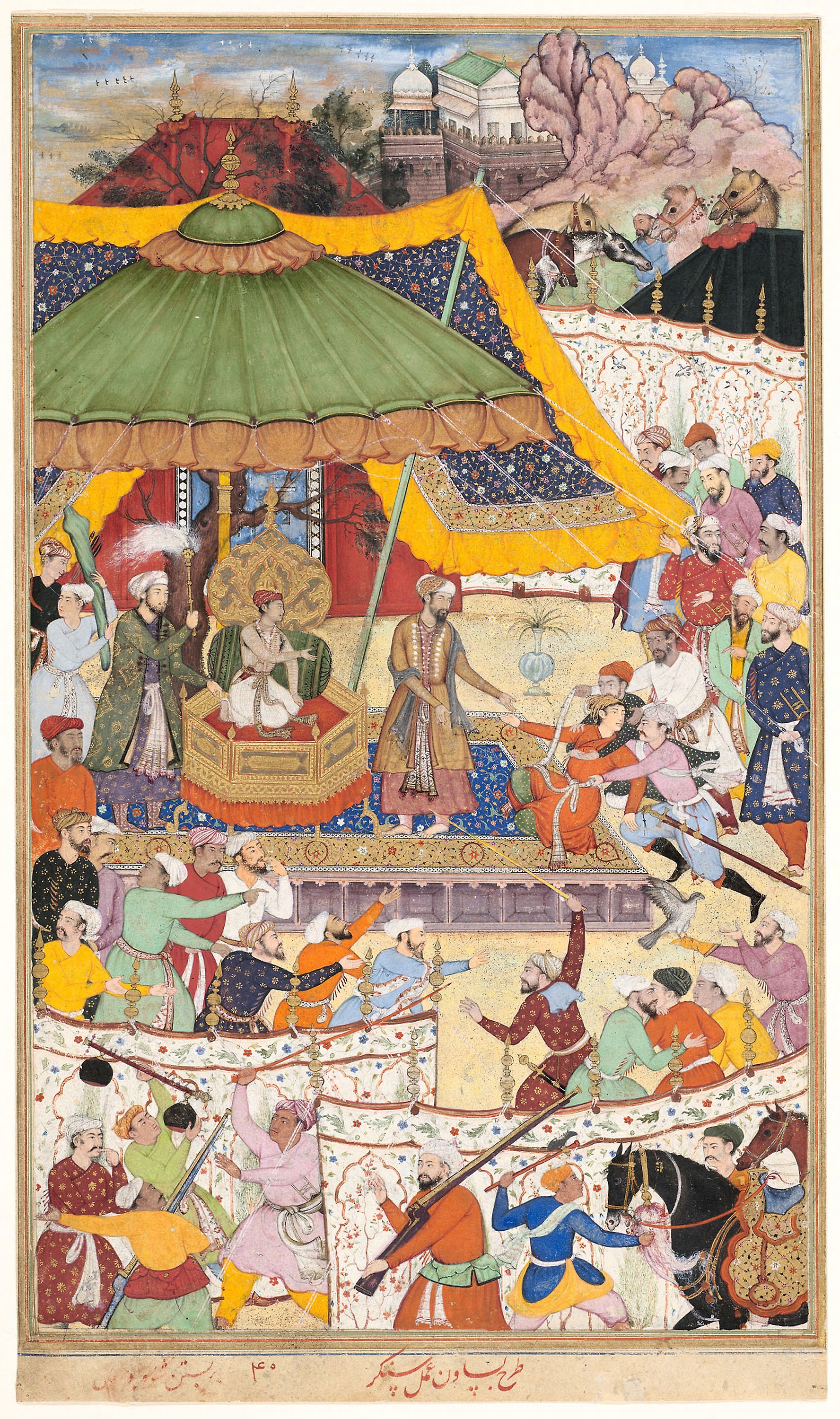
This distinction also explains why the two projects met with different historical fortunes. Akbar's doctrine became embedded in the institutions of the Mughal Empire because it addressed the practical requirements of governing one of the most diverse societies in the world. Dara's vision, however profound, remained the work of a scholar and mystic. It inspired generations of intellectuals, influenced European Orientalists through the Persian Upanishads, and continues to fascinate students of comparative religion, but it could not create the political alliances or military authority needed to secure the Mughal throne during the war of succession.
History has often remembered Dara Shukoh simply as the liberal prince defeated by the orthodox Aurangzeb. That characterisation is too simplistic. Dara deserves remembrance not because he was "liberal" in the modern sense, but because he undertook one of the earliest and most sophisticated attempts to show, through rigorous textual scholarship, that the world's great religious traditions could illuminate one another. If Akbar taught the art of ruling over diversity, Dara sought to reveal the unity hidden within it. Between them, they gave ṣulḥ-i kul two meanings, one political and one philosophical, both of which remain relevant in an age still searching for ways to reconcile difference without erasing conviction.
Syed Ali Nadeem Rezavi is a historian, author, and professor at Aligarh Muslim University.
Send your articles for Slow Reads to slowreads@thedailystar.net. Check out our submission guidelines for details.
Paradise lost and found: Rediscovering early modern Bengal
Unbound Mother: The making and remaking of Kaali in Bengal

Do great leaders make history, or does history make them?
Poison and cremation: A forensic history of colonial Bengal

Partition, Bor Porong and the Chakmas’ unfinished struggle for belonging
The young radicals who challenged 19th-century Bengal

More men are cooking. But is patriarchy leaving the kitchen?
Everyday secularism and the Bangladesh we rarely talk about
Reading Sarat Chandra at 150, with empathy