


STORYTELLING ADVICE
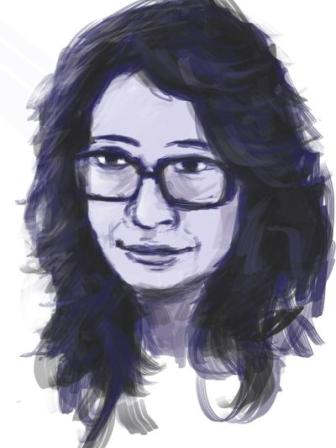
More with Less

Nifath Karim Chowdhury
If done right, short sentences can be very effective in providing bursts of information in a powerful way. It is important to choose words carefully, to weigh them against their synonyms and see which does the best job.
Get a clear idea of what you want to say, think of the feelings you want to get across or of the image you want your readers to have in their heads.
Instead of saying "he said", try using :"he sighed" or "he laughed". If you imagine your story as being real and picture it in detail, you will see that the words come more easily and you won't have to use too many words to express yourself.
At a Loss for Words
Shreyosi Endow
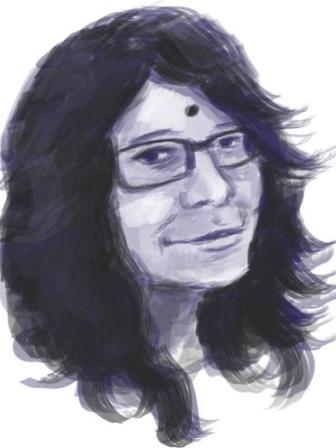
I usually seek inspiration for my stories in the smallest of things, be it something I just spotted on the road or even a random feeling. Once I've conceived a good plot I move on to penning it down, which is when I come across a pretty familiar problem. To put it simply, I find myself at a loss of words.
It might just be one little word in the middle of the story that doesn't sound right, and no thesaurus can help me locate a perfect substitute. This little word turns into a huge obstacle in the writing process, which leads to the rest of the story becoming rather boring. It almost makes me feel like I can't even write anymore.
So here's what I do. I complete the story, although it may seem like it's been written by a five year old, and then I forget about it. Completely. I move on with my life, do the things I enjoy doing and then come back to editing it a few days later. After repeating this a fair number of times the final result generally turns out to be quite satisfactory indeed.
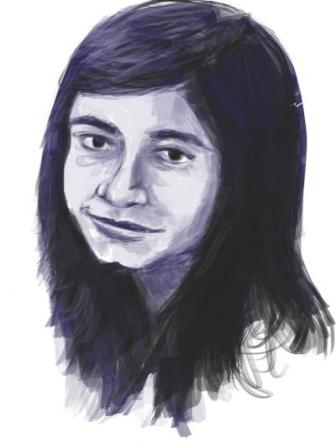
Poetry Aid
Aruba Adil
There is no "how to" when it comes to poetry. Following my heart has always given me better results than following guidelines from Wikihow. That being said, certain approaches to poems are better than others.
Readers do judge books by their covers and they will also judge a poem by its appearance. Length and format are just as important as the title as these are the three things that draw readers in. Lengthy poems with long verses come off as heavy and burdensome to read. Long poems are acceptable only when the subject matter requires heavy treatment.
Another dilemma poets usually go through is to rhyme or not to rhyme. Out of the millions of poems churned out by aspiring writers, very few are rhymed poetry. That is why almost all of my poems are in rhymes; it's just another way of setting yourself apart from the rest.
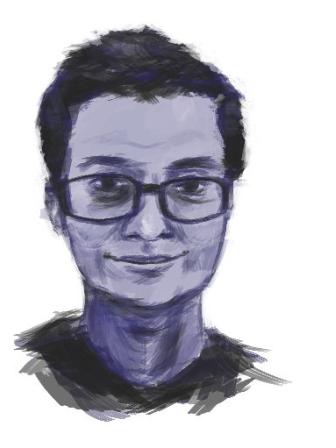
Writing Funny
 For all latest news, follow The Daily Star's Google News channel.
 Rumman R Kalam
One rule of thumb that I always found helpful is to make my story one huge joke with its own punchline and build-up. This is exceptionally useful for any type of satire. Once I know where my story is going with that important punchline, I can insert smaller jokes that control the pace of my story. It's like one giant house of cards.
Another thing to consider is that you know who you're writing for. Some jokes work out with friends but they might not work well on a national publication and might even work differently on the internet. Your jokes are like marketing campaigns that you need to target well using the correct platform during the right time.
You wouldn't crack dead people jokes in front of old people now, would you?
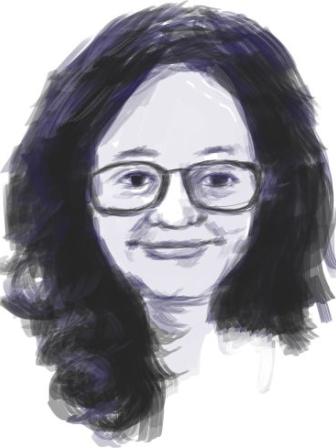
You vs Blank Page
Ishrat Jahan
Little compares to the distress that comes from a creative block.
I know what I write on a block day would be rubbish but I remember to recognise that it is something.
I beat the blank page. This knowledge makes the writer's block from Hell less frightening when I come back to the piece later. It would be less awful; I would realise I can make something out of those words. The universal way to get over not being able to write - is to write. It doesn't matter what you fill the page with as long as you put one word in front of another.
A writer's block is very subjective: everyone experiences it differently and everyone overcomes it differently. If persisting against the block and writing despite it does not make the cut, you can try the more disciplined method of writing prompts. They can come in the form of songs, books or the internet.
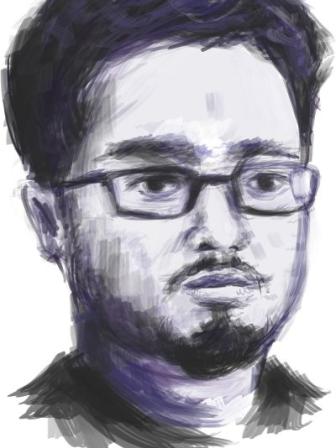
An Idea can Change Your Life
Kazi Akib Bin Asad
I can't write fiction.
But my pocket's full of ideas and plots and subplots, so much so at times it tends to overflow and then I realise I might as well give it a shot. Realistically, they're all in a Note application on my phone.
I think writing (anything) is a product of inspiration and the thought process. The former of the two is no wildflower; inspiration isn't just another quote to be requoted and worshipped - it's something you "take in" to build yourself, in any way you choose. The latter, however, requires your attention and perseverance from the beginning to the end.
Let's say you wake up and a storyline hits you. Note it down regardless of how vague it is. Think about it, think around it. Be patient and nurture it with care.
Fast-track advice: Start small. Write 6 word stories or nanofictions. Then go for something bigger.

Nothing's Good Enough
Mastura Tasnim
Some days, you'll hate your words.
You'll look at them scrawled across a page or styled on a screen and you'll hate them.
Fact is, half of the days you write you won't feel like a writer. Sure, you'll say you're one in CVs and in the corners of files where they ask you to list your favourite ECA (Writing? Yes please). But most days you'll look at that story or this poem or those random notes you take in class and shake your head at how pretentious you sound. As a writer, you're more a fraud, walking around in your characters' skins, pretending to know something others don't. Some days nothing will seem good enough. Other days you'll find the perfect sentence and just know, just know that it has no place in the story you're writing.
But you'll keep writing and eventually someone will say it's great even though you know it's wrong. You'll keep scribbling in your notebook, at the back of your maths copy, on the corner of your exam script, in the back bench and the front seat, in a party, at a funeral, while your parents fight and you fall in love. It will be unrewarding on the better days and frustrating on the worse ones, and it will be always, one hundred percent, absolutely worth it.
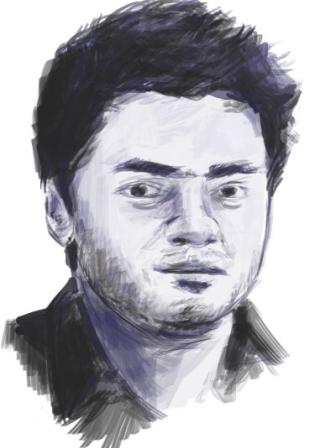
Getting the Tone Right
Shuprovo Arko
When reading short stories, I personally prefer dialogue being used as scarcely as possible. While an excellent writer uses dialogue effectively, too much of it can lead to it becoming bland and unnecessarily expository.
To me what's more important is how you set the tone of your piece, and I find that listening to movie soundtracks while writing really helps with this. Since original scores are composed to accompany and complement scenes (which are basically stories being played out), the results are quickly apparent.
The natural flow of the music seeps into the writing and your choice of words is influenced by the overall tone of the score.So for example, if you're going for a more upbeat, ethereal piece, Cliff Martinez's Drive soundtrack is perfect or if you're feeling particularly existential then Hans Zimmer's score for The Thin Red Line is what you should listen to.
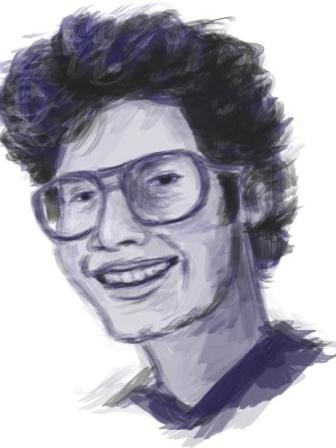
Getting Something Finished is Nice
Rafee Shaams
I remember writing a terrible fantasy novel when I was 14. It was infected with a thousand grammatical errors that, at the time, were oblivious to me. I didn't care. I was happy to have finished a 600 page single-typed manuscript and nothing in the world would've made me embarrassed of it.
Two years later, I went back to it and it did embarrass me. I wanted to burn the whole thing down and forget its very existence. But even then I didn't regret spending all those hours typing away frantically at a story I now find pathetic. It taught me a valuable lesson. I could finish something.
I usually begin a story by simply starting to type on the computer without outlining the plot ahead. With short stories, I'm typically done writing the first draft in one sitting. Then I forget about it and start writing something else. When a fair amount of time has passed, I go over the story again and try my best to not get depressed by the barrage of humiliating mistakes I find there.
Underlining sentences that read awkwardly helps a lot. So does drawing boxes on words you don't think perfectly express what you wanted to say. The Elements of Style and Fowler's A Dictionary of Modern English Usage are two books that come in handy a lot.
I believe that if you have the patience to complete a story and you're willing to rewrite it over and over again, then you've got what it takes to write fiction. Editing is a real pain, but it's worth it.
Write Generously
Zoheb Mashiur
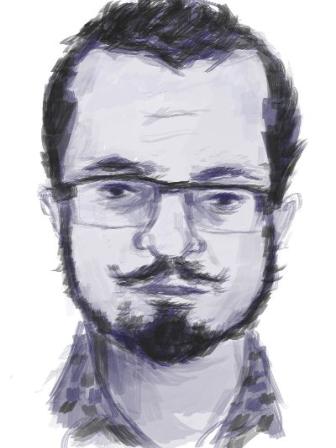
The most popular advice given to a budding writer: do it for yourself, not for anyone else. It's well-meaning advice but it glorifies a selfish disregard for what the audience wants.
Nine times out of ten you are writing with the intention of being read. Perhaps it's your O Level English essay, or it's a story you're writing to impress your crush. You have an audience in mind, and you must write for them.
It pays to think of writing in terms of a transaction. You want something from the person you're writing for: full marks, money, admiration, love, etc. In exchange your writing must satisfy their wants. Identify what they like. Tailor your output to their tastes. There is no guarantee in the world you'll get that A or that kiss, but you have to do your best to please them.
However, what you should do your best to avoid is writing something you don't want to. Anything you aren't happy with will be poor and will not satisfy anyone. Write for yourself, as well as for the audience. Never make it a choice between the two.
Living in Your World
Maliyat Aniqa Noor
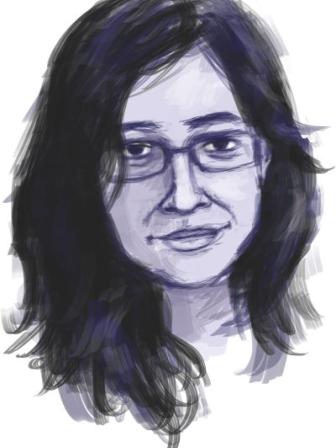
To succeed at building a fictional world, spend as much time as you can in that world. Inhabit it, breathe its air and converse with its people. The more real it is to you, the more real it'll be to your readers.
As much as I love reading and as much it has taught me, other people's fiction pollutes mine. I find myself subconsciously using their structures in my world. What does help with finding inspiration is being present in my present; absorbing the quirky details of reality and weaving them into the fabric of my fantasy.
Finally, take your time with editing. I write my stories in MS Word and save them as pdfs. Then I have Adobe Reader read it out to me. The mechanical voice helps me to spot the grammatical errors and the awkward sentences.
Accept criticism but don't be discouraged because you're not a born writer. No one is. You learn and you write. The fireworks are bound to happen one day, even if by accident.
Comments