


DAWN
There was once a town; far away from anywhere else. A small town populated by quiet people, who kept to themselves, content in living the way that their fathers had, and their fathers before. They never thought to leave, or to try their luck elsewhere.
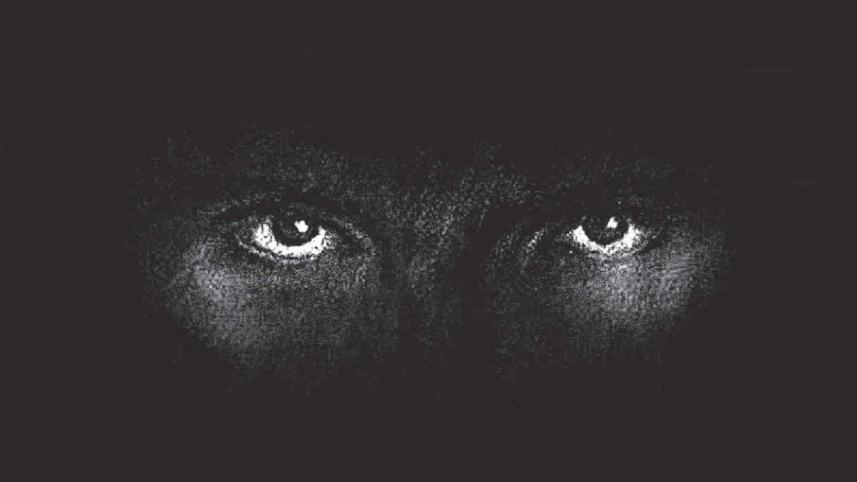
All except for one. They called him by many names, but most just called him a madman. He was a decrepit little thing, thin, wrinkled, with dark, sunburnt skin and white hair caked in mud, and bruises all over. His hollow eyes set deep into his skull, such that at times all you could see of his eyes were the whites. He slept in the street, even though he had a wife and home to go back to, and would dress in rags that he never washed. He would not stay quiet, and he hated the path of his father. He would stand in the town market, and would cry out till the end of night, "Leave, leave this path, so that calamity may not befall you." The children would pelt him with stones and rocks, bruising him all over, and when they grew older and had children of their own they would reply, "Woe to you, madman. Do you want us to leave the path of our fathers? Stop your talk and leave us in peace."

But the old man would not stop, he would return every day, when the town would open their shops, when the sun was risen and casting dark shadows over their heads, and would cry out to all who could hear him, "Leave, leave, so may calamity not befall you." He would return every day, in dust or rain, in heat or cold, and would cry, "Leave, leave."
And so it was for many years, until one day the townspeople woke up at dawn and found the old man running through the streets proclaiming, "Despair, despair. The race of man is not immortal." And the townspeople replied, "Woe to you, old man. Why are you awakening us from our peaceful slumber?"
And so they woke up for the month that followed, the old man's proclamation ringing in their ears. Until one day they woke up not at dawn, but far into the morning, when the sun was casting dark shadows over their heads, to find that the old man was nowhere to be found. They asked his wife where he was, but she could say nothing and had not seen him in her house for years. The village elders laughed and said, "Finally he has left us. Let this be a day of celebration." And so the children danced in the street, and music and laughter could be heard well into the night.
Until suddenly, it stopped, and the only thing that could be heard was the sound of steel cutting flesh, and the tearful cries of women and children, and cries of woe and despair.
And when the sun rose that morning, on that red dawn, it rose on a changed landscape. The town was unrecognizable, blood painting the walls and the streets, and the children lying on the ground sobbing in solitude, their eyes closed and shut behind crimsoned palms, avoiding the dead stares of their fathers and the elders.
With time, the children stopped crying, and began to walk. They walked into the deserted plains before them and strived to get us far away from the town as they could, as far away from the beasts of the night before. At night they would lie in the sand, and thought they heard a slow, quiet, hoarse voice saying, "Rejoice, rejoice. The race of man has left."
The writer, aged 17, is an A Level student at Maple Leaf International School.
 For all latest news, follow The Daily Star's Google News channel.
Comments