Why public speaking matters in school education
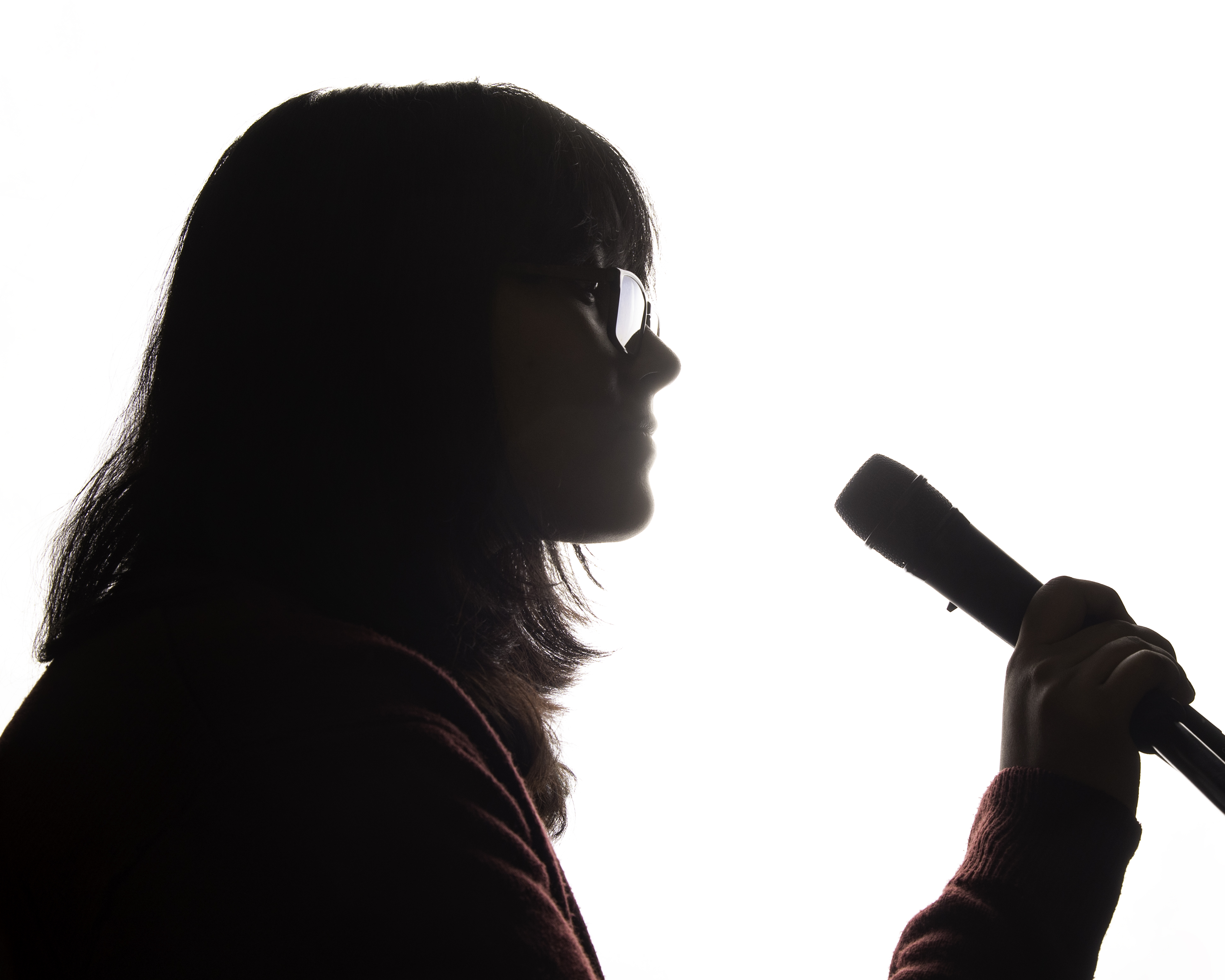
Nothing makes one feel more hyper-aware and self-conscious than speaking in front of a group of people. Unknowingly, we as an audience tend to quickly and, quite ruthlessly at times, categorise speakers into one of two groups: the ‘alchemist’ and the ‘hostage’.
The alchemist is the epitome of a main character. This person has the ability to make topics such as spreadsheets or anthropology sound interesting. They’re eloquent, have the perfect estimate of charismatic eye contact and graceful arm movements, and command attention without demanding it.

The hostage, however, makes you want to look away from the stage. They’re visibly uncomfortable, unable to connect with the room, and resemble a captive person desperate for an escape.
Unfortunately, recent school graduates contribute a high proportion to the hostage category. It takes experience to be able to articulate your knowledge into words when given the centre stage, and for most of us, this skill develops rather late. A compelling speaker not only sounds impressive but also carries a magnetic presence that holds attention effortlessly. While some possess natural fluency, for others, it takes practice and early exposure at school. Our few encounters with public speaking at school take place through the occasional project or presentation, yet it remains largely absent from the core priorities of many schools, including many English-medium ones following the British curriculum.
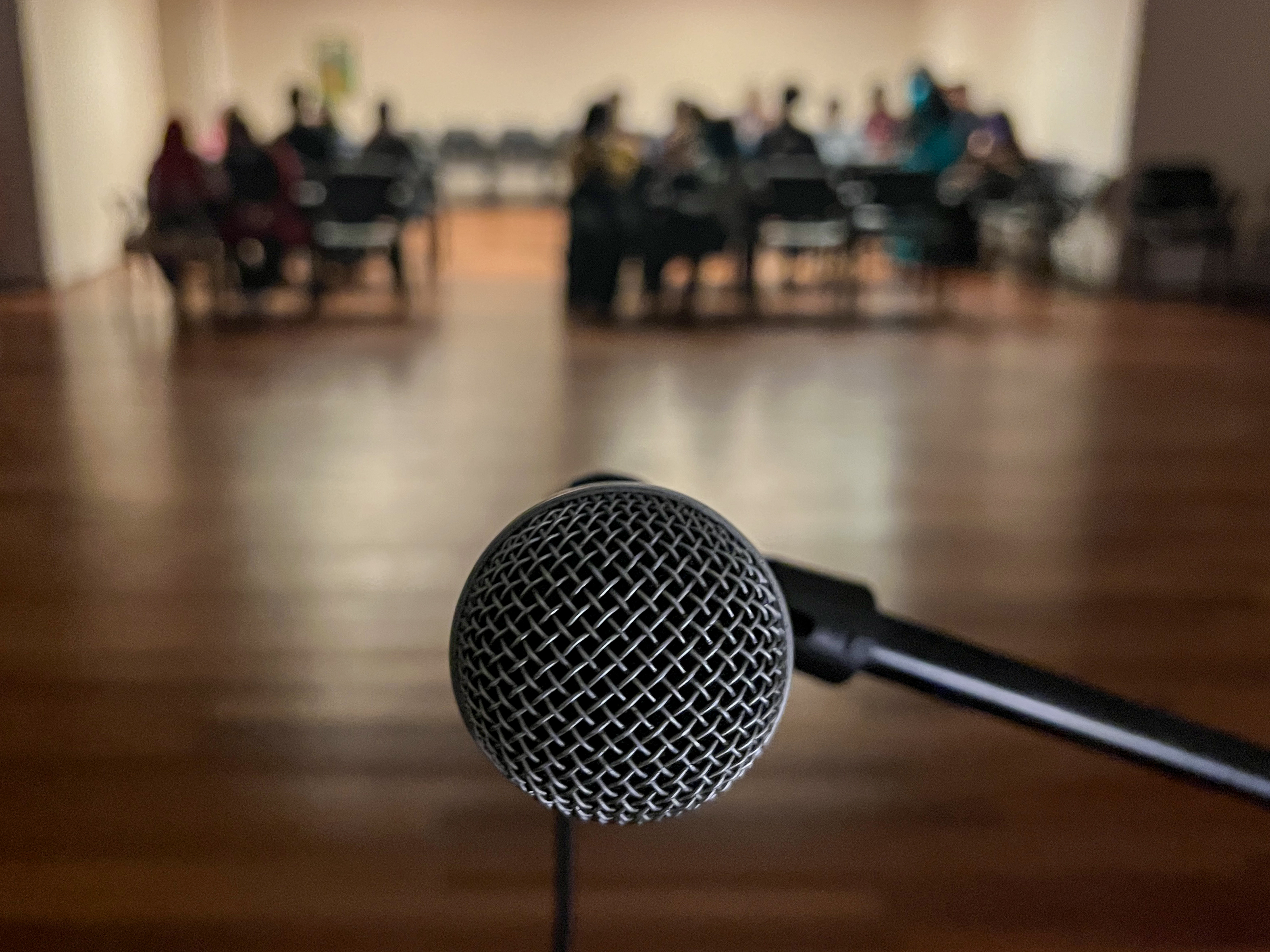
In the assessment of oral fluency, there are very few, if any, courses dedicated solely to developing this skill. Since the ultimate measure of a student's academic ability relies on their written theoretical knowledge, it often becomes an afterthought. Some of us even go years without having to stand in front of a room and deliver a speech or presentation, as preparing for the O and A levels leaves little room for such practical skills. It seems as though the choice between the alchemist and the hostage is rarely up to us.
It’s often at university, when entering lecture halls that require articulate speakers, that students realise that school never truly taught them how to withstand the pressure of all eyes being on them. This gap persists across most curricula. However, extracurricular activities in selective English-medium and National Curriculum and Textbook Board (NCTB) systems offer some level of exposure.
Anjum Jannat Nursa, an alumna of Viqarunnisa Noon School and College, provided an insight into the school’s co-curriculars: “Clubs like the English Language Club, Earth Club, and Science Club regularly held extempore speech segments, where topics were assigned randomly, and students had only five to ten minutes to prepare before speaking on stage. These activities, conducted in both Bangla and English with separate recognition for each, began as early as grade five.”
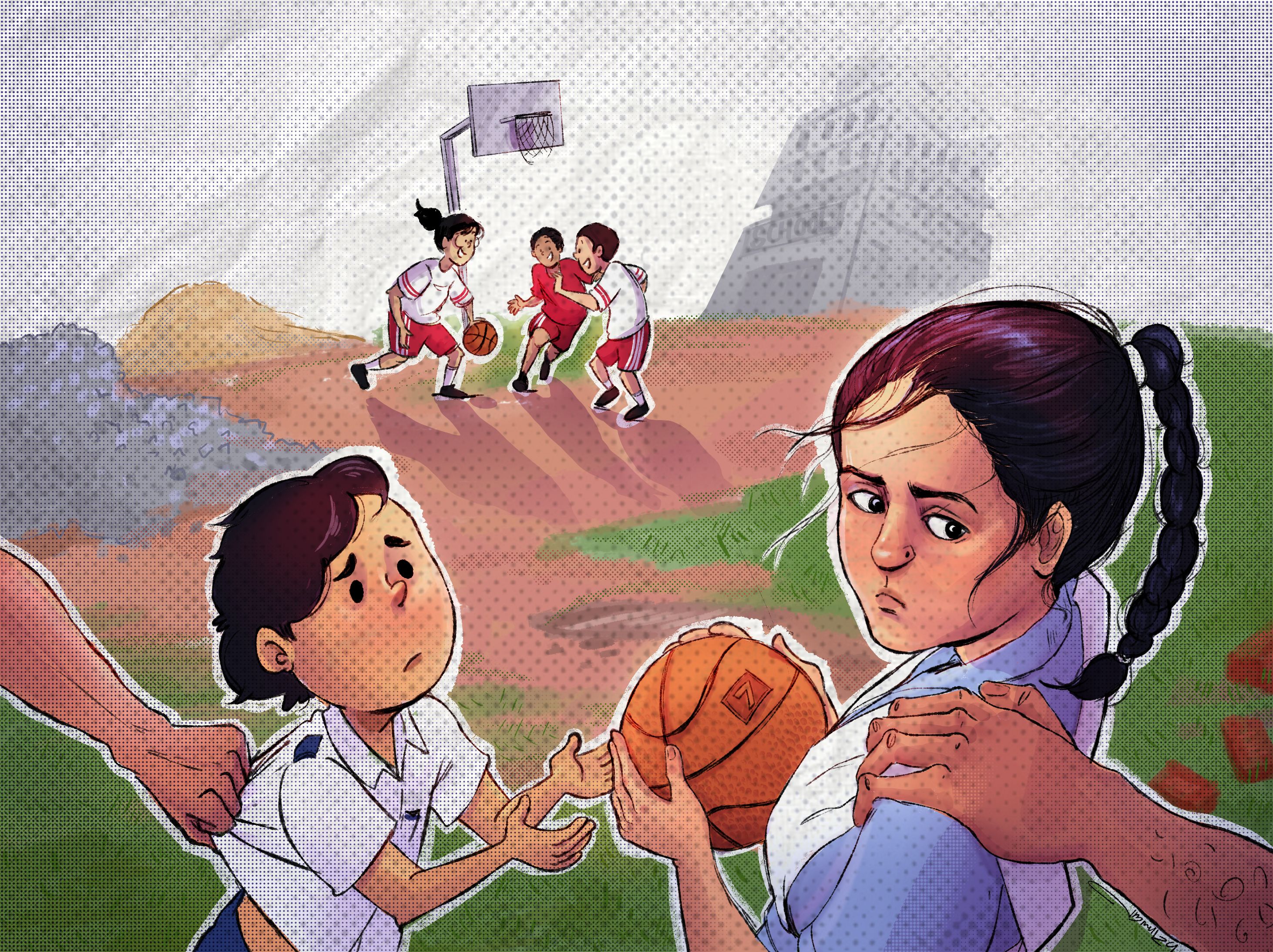
She further observed, “Those who consistently took part in these activities gradually grew far more confident not only in speaking, but in other areas of school life as well. Teachers and seniors also played an active role in mentoring them before inter-school competitions, which visibly shaped their confidence over time.”
The most significant outcome of the practice of public speaking is the ability to convey your thoughts and feelings on the spot, which is often easier said than done. Many of us struggle with social anxiety, which makes verbal communication a daunting vehicle to deliver our thoughts and expressions. However, if we adopt our limitations as fixed identities, we inadvertently justify staying within our comfort zones. As Oscar Wilde once said, “To define is to limit.”
Based on the insights of English-medium and NCTB curriculum students, debating remains the closest thing to structured spoken expression. Debating holds a popular place among school clubs, with students across the country participating in competitions at both national and international levels. Yet, debating and being a good speaker don’t necessarily go hand-in-hand. For many students, the confrontational nature of debate can feel intimidating, even if they aspire to speak with confidence and clarity. Public speaking is not always about constructing the sharpest counterpoint or winning an argument. Sometimes, it’s simply about learning how to express yourself without fear and trust that your voice deserves to take up space.
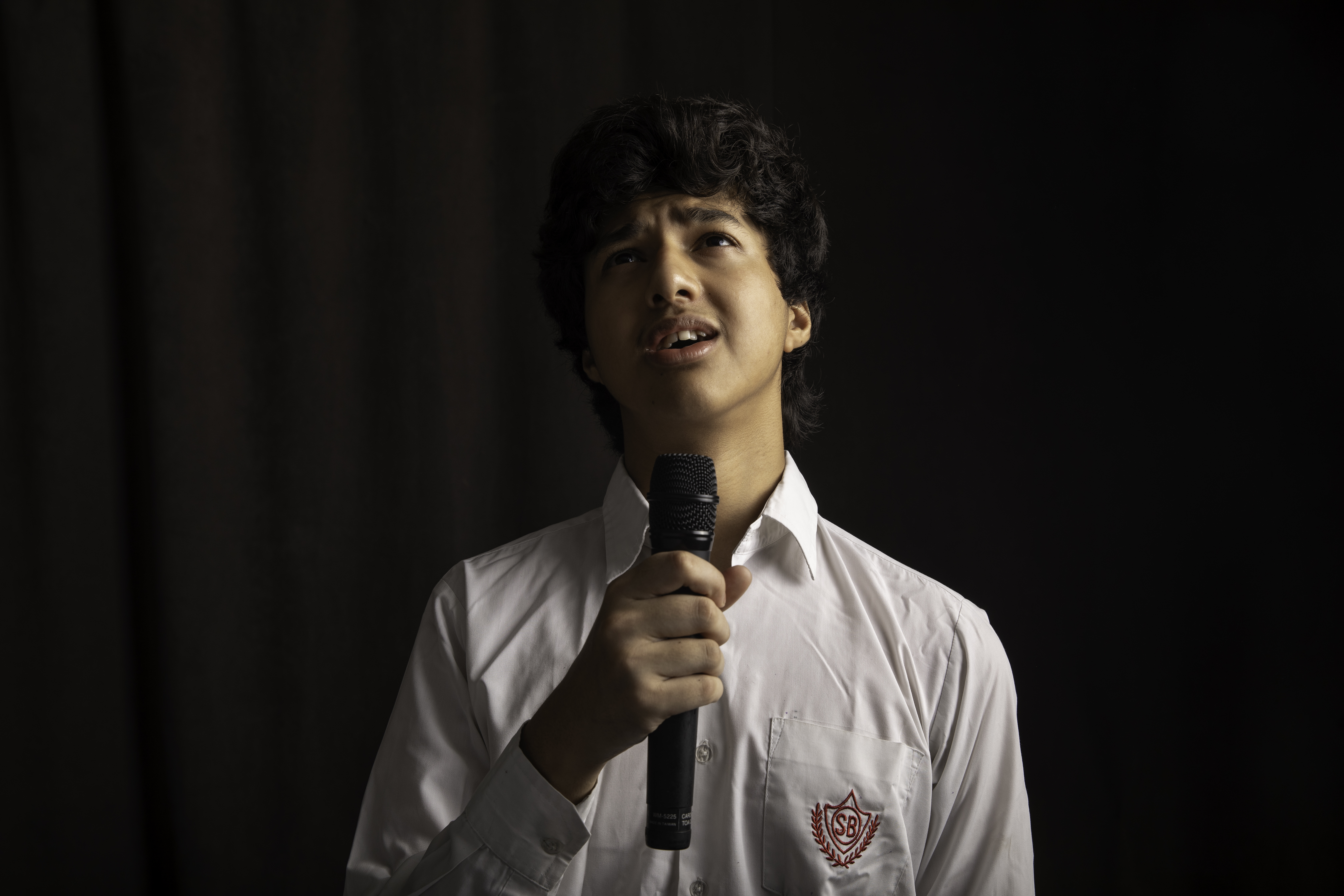
Sarah Zaman, a lecturer at the Department of English and Modern Languages, North South University, and an IELTS examiner, emphasised that confidence in speech should be developed progressively from an early age, rather than suddenly expected from students in higher education. According to her, younger children can first be encouraged to speak through simple classroom interactions using newly learned vocabulary, before gradually advancing towards storytelling, short speeches, and collaborative presentations in later grades.
“Public speaking apprehension can be detrimental for speakers,” she noted. “Since most students come from educational systems where they are not encouraged to speak their minds, they naturally face difficulties expressing their ideas to teachers or peers. They are initially shy, timid, and less confident. With proper guidance and encouragement, however, they can gradually become more self-assured.”
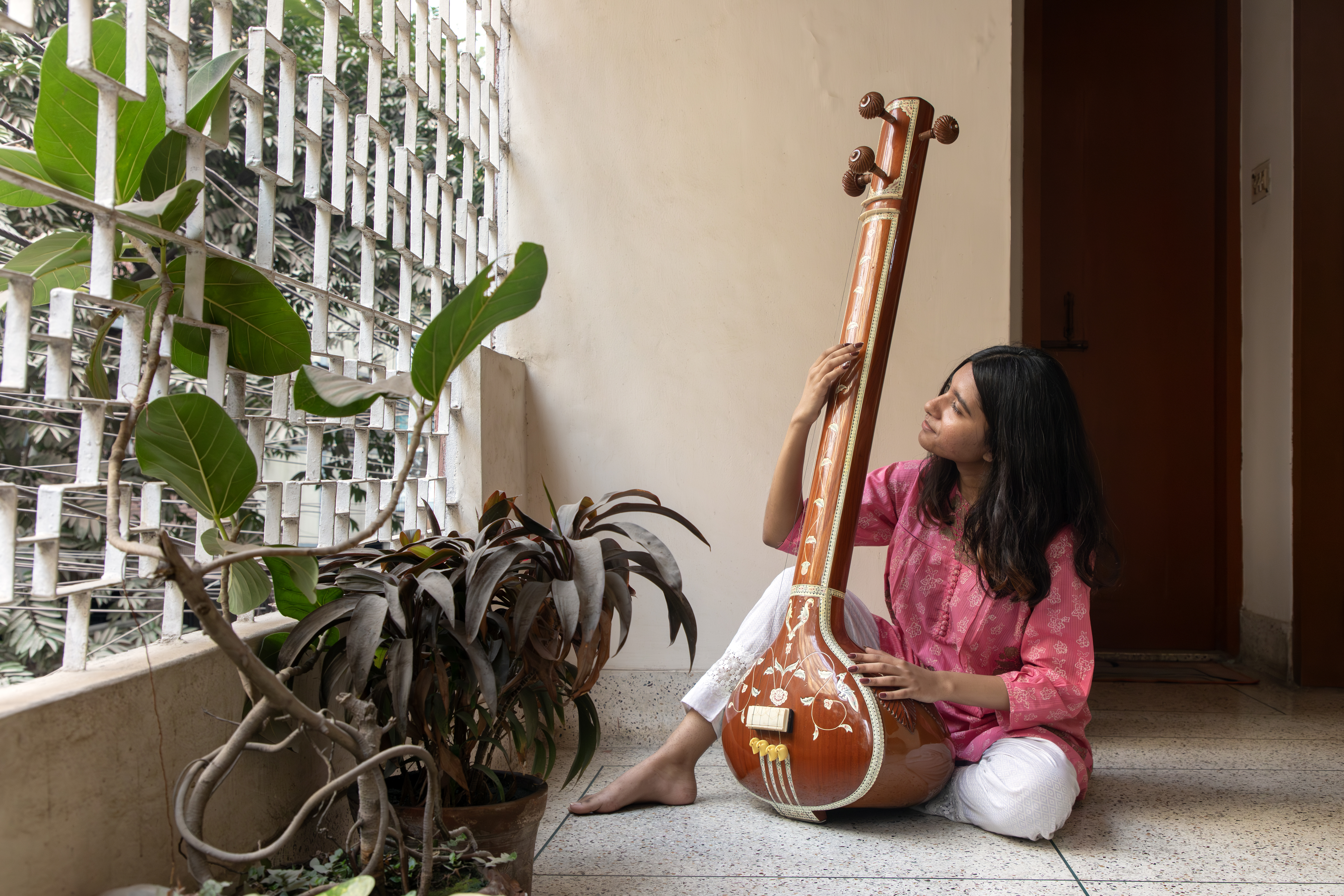
Universities often provide extensive courses to build strong presentation and speech skills, regardless of previous weaknesses and limitations. When asked about the changes she notices in students over time, Zaman said, “In my public speaking classes, I see a noticeable improvement in students’ performances. Even the most timid students become more fluent, comfortable with the process, and confident in delivering a speech by the end of the semester.”
She continued, “In class, I focus on showing rather than simply telling students how to deliver a speech, including voice modulation, pauses, body language, and other essential elements. Students are often motivated when they realise that, with consistent effort, they can deliver a compelling speech. Over time, I consistently see significant improvements in their performance.”
 For all latest news, follow The Daily Star's Google News channel.
 And so, being the alchemist might not be such an impossible dream after all. With proper resources, guidance, and early exposure, becoming a confident and effective speaker becomes far more attainable than it often seems. It’s not an effortless gift reserved for a few, but a skill that can be developed over time through practice, encouragement, and the willingness to speak despite initial discomfort.
While many traditional curricula struggle to integrate structured public speaking into classrooms, some educational systems place a stronger emphasis on communication skills. In the IB Diploma Programme, “Theory of Knowledge (TOK)” is a core subject taught across grades 11 and 12. It encourages students to question the nature of knowledge itself, moving beyond memorisation towards critical reflection and independent thought. According to Alan Jeffery, MYP I&S and DP Global Politics teacher at International School Dhaka, this structure places greater emphasis on individual engagement and expression, allowing students to tailor their learning while developing foundational critical thinking skills.
He explained, “Oral assessments mirror the public-facing nature of most careers in the modern world, where public speaking and discussion are both encouraged and unavoidable.”
He further added, “The ability to defend one’s work orally serves as a hallmark of authenticity.”
In contrast to more exam-focused systems, this structure embeds communication not as an occasional skill, but as a continuous academic requirement.
What makes a good speaker has different definitions for each individual. The only way to find out is to swallow the fear and put yourself out there, whether it’s a blazer-clad presentation or a podium with a mic. In an age where professional environments depend on clear expression, the ability to speak confidently extends far beyond the classroom stage. Whether one becomes the alchemist or risks remaining the hostage often depends less on natural ability and more on whether they were ever given the space and encouragement to practise speaking without fear.
Zara Zubayer is a half-pianist, occasional grandma (she knits), and a collector of instruments she never learns. Suggest a new hobby she won’t commit to at zarazubayer1@gmail.com
Events / Students from Australian International School pay a visit to The Daily Star
Interviews / Bangladesh's young mathematicians shine at WMI 2026

Education / The A level grading system explained

TV Series / The Wonderfools: Messy at first, but surprisingly worth the ride
Reader Submission / How society’s obsession with success harms young people’s mental health

Reader Submission / Smiles that changed my perspective

Movies / Nolan’s reframing of The Odyssey

Reader Submission / The piper’s solace

Movies / Backrooms is a liminal nightmare, until it isn’t