



Column by Mahfuz Anam / The draft cyber law will restrict the media
25 September 2026
•
THE THIRD VIEW

We tell women to speak up, but who defends them when they do?
25 September 2026
•
A Closer Look

Oprotim's killing and the growing fear for our children’s safety
25 September 2026
•
Views

A single digital ID can simplify life, but who will protect the data?
24 September 2026
•
Views
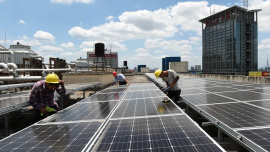
We need reliable buyers to build more solar power
24 September 2026
•
Views
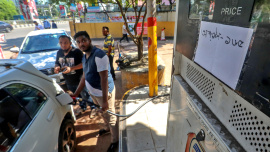
Why burden citizens with higher fuel costs instead of cutting less urgent expenses?
24 September 2026
•
Views
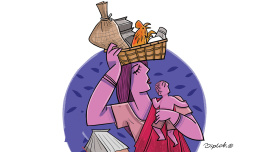
For women, ‘diversifying income’ can become another form of depletion
24 September 2026
•
Views
Where old ideas meet a new generation: A morning at the UN with Prof Yunus
23 September 2026
•
Views
Amid narrowing choices, we need a credible economic strategy
23 September 2026
•
Views

Time to put warning labels on unhealthy packaged foods
23 September 2026
•
Views

Education system must be built on proficiency, not pass rates
One of the toughest challenges for the new government is to ensure just educational opportunities for over four crore young people.
27 February 2026
A controversial decision
Critical decisions are usually judged by three things: their merit, method, and meaning or significance.
27 February 2026
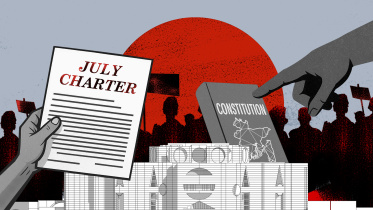
Does a referendum mandate mean unlimited authority?
The 2026 referendum was neither a constitution-founding rupture nor a blank cheque for institutional reconstruction. It was a powerful but structured act of authorisation. The distinction matters because transitions succeed when authority is precisely interpreted and designated.
26 February 2026

We are neglecting cooking gas danger at our own peril
A faint gas smell is sometimes tolerated for hours. A regulator that hisses slightly is considered manageable. A minor spark in a switchboard is dismissed as routine. We are accustomed to improvisation in many aspects of life. Improvisation, however, is a poor strategy against combustible gases.
26 February 2026

Security should not be a pretext for moral policing or erosion of liberties
The recent incidents of assault and harassment by police officers are not merely a string of isolated incidents, but a signal about institutional health.
26 February 2026
Economic priorities the new government should focus on
The crises of persistent inflationary pressure, sluggish private investment, and unemployment needs to be dealt with simultaneously, with careful policy planning.
26 February 2026
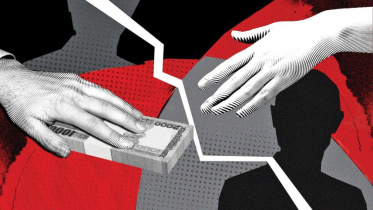
What the transport minister’s words really revealed
What if the minister did not seek to legalise or sanitise extortion, but unintentionally described an informal system of governance that already operates alongside the formal state?
25 February 2026

Jahanara’s case and the accountability gap in athlete protection
Sport is often portrayed as a realm of discipline, merit, and national pride. Yet it is also shaped by sharp power imbalances—between administrators and athletes, coaches and players, and selectors and aspirants.
25 February 2026
Make ICT policy a priority, not a side show
In a fast-moving policy landscape, delay is often punished. By the time a state realises a law is unworkable, or that a regulatory approach has fallen behind, the world may have already moved on.
25 February 2026
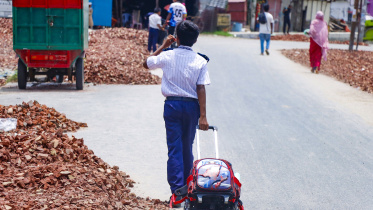
Think twice before forcing a third language on school students
Beyond the economy, art education on a national level is vital for raising better citizens and improving our Human Development Index.
25 February 2026
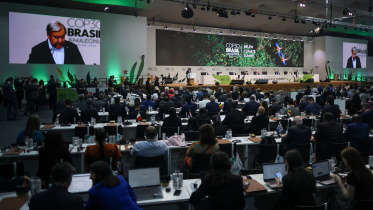
Climate actions need less talk, more work
A lesson emerging from COP participation is that for advocacy to deliver results, it must be married to strategy.
25 February 2026
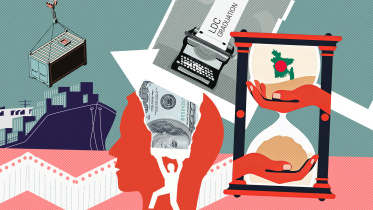
Deferring Bangladesh’s LDC graduation and the road ahead
In November last year, Bangladesh confirmed that it continued to meet all three LDC graduation criteria and remained on track for graduation in November 2026 despite economic shocks.
24 February 2026
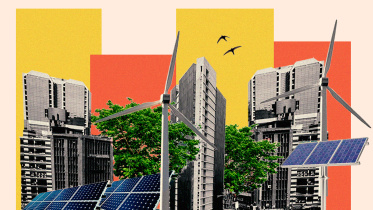
Bangladesh’s renewables drive must include women
Women constitute only about 32 percent of the total global workforce in the renewable energy sector, with even lower representation in technical and decision-making positions.
24 February 2026
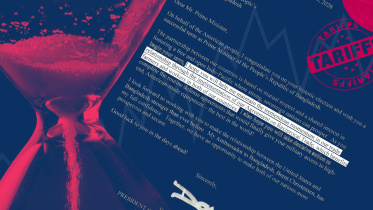
Rethinking the Bangladesh-US trade deal following the legal blow
The United States has virtually granted itself de facto control over Bangladesh’s economic relationships with the wider world. The agreement does, however, offer one significant benefit: Bangladeshi garments made with US cotton and man-made fibre would get zero tariffs in the US market.
24 February 2026

When extortion is sanitised, rights become negotiable
When a private citizen pays, it is often an act of compulsion within a broken system. When a public official justifies the payment, it becomes an institutional endorsement.
24 February 2026
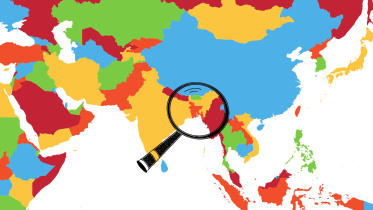
Bangladesh’s foreign policy enters its post-election test
The recently held parliamentary election in Bangladesh was watched more closely than usual.
23 February 2026
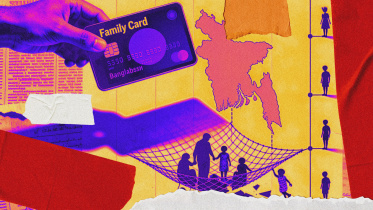
Will the real poor get the benefits of the family card?
The social safety net or social protection programme enables the government to advance the well-being and security of citizens by protecting them from vulnerability and deprivation so they can pursue a better life.
23 February 2026
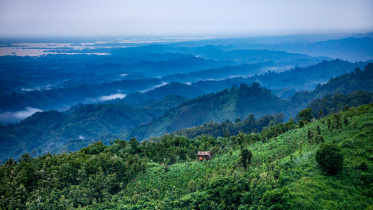
Tourism and roads won’t solve CHT’s deeper wounds
In July 2024, a student-led movement demanding quota reform evolved into the mass uprising against authoritarianism, bringing an end to over fifteen years of increasingly centralised and coercive rule.
23 February 2026
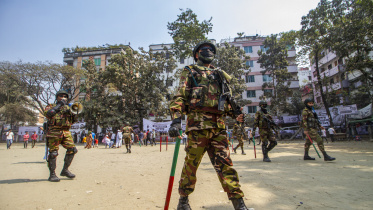
Army’s role during the polls and interim period merits a nod
Now that the dust has settled and we have begun another hopeful journey under a new government, we can look back at the interim government’s 18-month tenure and say with confidence that the defence forces,
23 February 2026
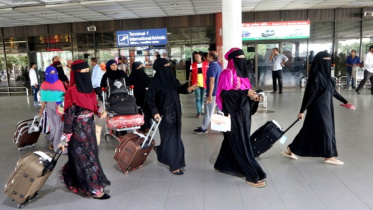
‘Modern-day slavery’ threatening our women migrants
The recent return of a 32‑year‑old Bangladeshi domestic worker from Saudi Arabia—six months pregnant after alleged rape, torture, and imprisonment—is not an isolated tragedy.
22 February 2026