


Women journalists key to a strong, inclusive democracy

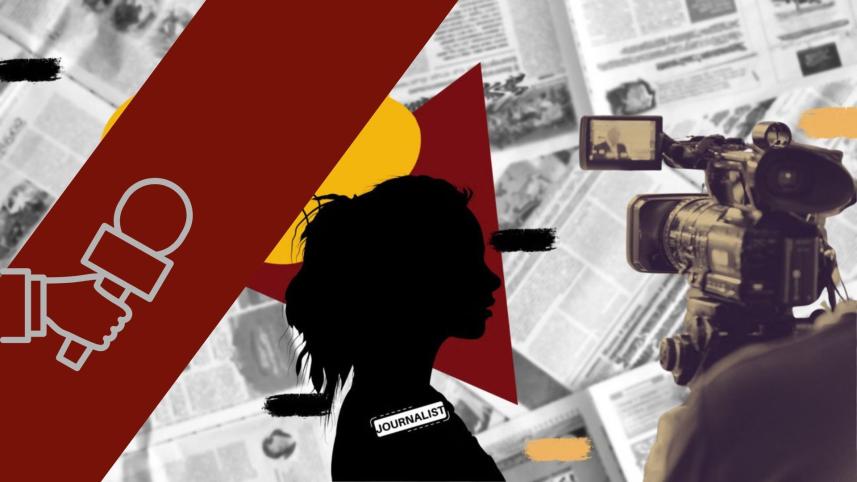
I write as Sweden's human rights ambassador and as a committed partner to Bangladesh in the shared pursuit of democracy, equality, freedom of expression, and media freedom. In times of political transition, journalism becomes even more vital. But when only a fraction of journalists are women, we must ask: whose voices are amplified, and whose are missing? Journalism that does not reflect the diverse perspectives in society fails its duty to reflect reality. And this limits its potential.
Women journalists face a double threat—the universal risks of censorship and violence, and the gendered risks of harassment, exclusion, and online abuse. These threats are global, and journalism, for many women, has become a battlefield. During the 2024 student-led protests in Bangladesh, the cost of truth-telling became painfully visible, as it has on many other occasions, including for women journalists. These are not isolated incidents but crystal-clear reminders of the need for stronger protections for those who report what some would prefer hidden.

Sweden's own media sector has faced similar struggles. Despite our early press freedom law from 1766, gender equality in journalism has not come automatically. Investigative roles went to men; lifestyle beats to women. Progress came through pressure—from unions, civil society, and journalists themselves. We have learned that democracy does not automatically deliver inclusion; it must be designed to do so.
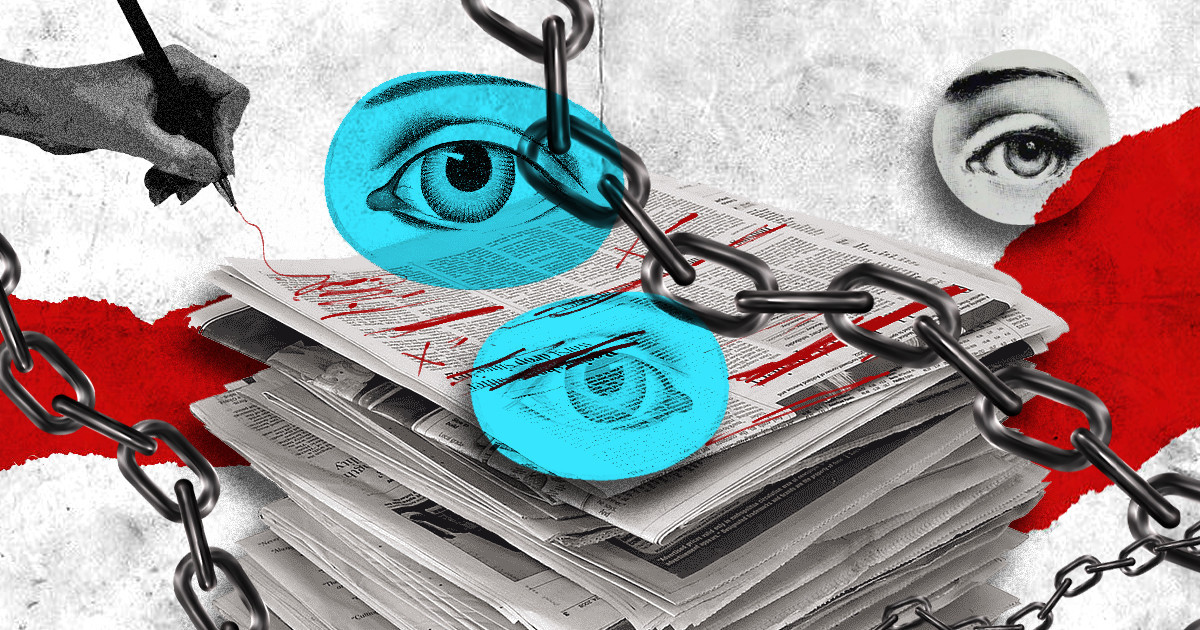
In newsroom after newsroom across the world, women journalists describe a familiar pattern: being paid less than male colleagues, denied promotions, and harassed by peers. Some are hired for their appearance rather than their skills. Others are steered away from politics, crime, or conflict, and assigned to "soft beats" like fashion or food. These are not just personal setbacks; they are structural barriers that often push women out of journalism and negatively affect the overall quality of journalism.
Yet despite these challenges, women journalists are driving change. They report from the streets, moderate debates, and lead investigative work. Their contributions expand civic space and challenge stereotypes. As Bangladesh's national poet Kazi Nazrul Islam wrote, "The good done by civilisation—half created by man, the rest by woman." That truth must apply to journalism, too.
Today, new technologies are reshaping the media landscape and, with them, the risks. Disinformation, hate speech, and algorithmic bias threaten journalistic integrity. Artificial intelligence, if used ethically, can support inclusion, but it must not become a tool for surveillance or censorship. Proposed AI and data protection laws should be carefully reviewed to ensure they do not undermine media freedom or disproportionately harm women journalists.
There are reasons for optimism. Over 20 newsrooms have signed on to a new initiative, a Gender Charter of Commitments for News Media, which Sweden has proudly supported to make Bangladesh's media sector a safer working environment and a place from which women's and men's realities are portrayed equally. The interim government's initiative for structural reforms—particularly the Media Reform Commission's recommendations—can, if implemented, provide stronger protections for journalists, fairer media ownership, and independent oversight. At the same time, the UN Human Rights Office has been established in Dhaka, aiming to safeguard human rights including freedom of expression. These steps matter.
As both Bangladesh and Sweden prepare for national elections, the stakes are high. A free, independent, and inclusive media is essential not only for credible elections but also for a vibrant democracy. Sweden welcomes all efforts to protect freedom of expression, ensure the safety of journalists, and embed gender equality in media policy and practice.
I have seen how both women and men stand to gain from equality. It is by embracing the strength of multiple perspectives that societies are enriched. Focusing our efforts on creating equal opportunities, rather than on prejudice or fear of losing privilege, is a winning recipe for sustainable development in its broadest sense.
Irina Schoulgin-Nyoni is Sweden's Ambassador for Human Rights, Democracy, and the Rule of Law.
Views expressed in this article are the author's own.
Follow The Daily Star Opinion on Facebook for the latest opinions, commentaries, and analyses by experts and professionals. To contribute your article or letter to The Daily Star Opinion, see our guidelines for submission.
 For all latest news, follow The Daily Star's Google News channel.
Comments