


Why changing how we talk about suicide matters for prevention

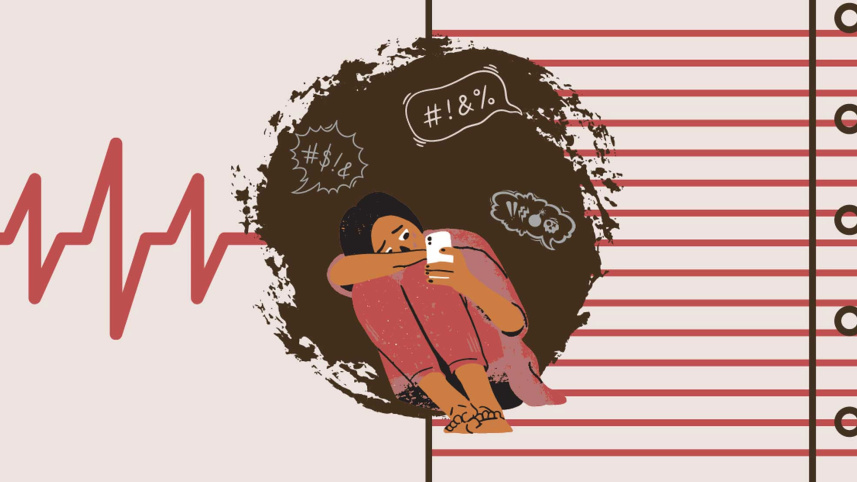
More than 40 people die by suicide each day in Bangladesh. Between 2020 and 2024, at least 76,361 people were recorded as having died by suicide, amounting to more than 15,000 lives every year. The figures are staggering, yet suicide rarely enters our national conversation as a public-health crisis. Instead, when someone dies by suicide, the questions often become deeply personal and moral: Why did they do it? What did the family do? How could they do this to their parents? As a result, families are often left carrying not only grief, but shame too. A suicide attempt can bring another layer of fear; in Bangladesh, attempting suicide remains a criminal offence under Section 309 of the Penal Code, punishable by imprisonment, a fine, or both. But if more than 40 people die by suicide every day, why are we still talking about suicide primarily through shame, morality, family honour, and criminality rather than prevention?
The language we use shapes how families understand what has happened, how communities respond to people in distress, whether someone feels safe asking for help, and whether an attempted suicide is treated as a moment requiring care or as an act deserving punishment. We often talk about suicide in ways that unintentionally increase stigma, shame, and isolation. If suicide is preventable, then prevention must begin not only with services, but with changing the language and social responses that determine whether someone feels safe enough to ask for help. Changing the way we talk about suicide will not, on its own, prevent every death. But it can help create the conditions for prevention. Words such as “committed suicide,” “coward,” “selfish,” or “took the easy way out” can frame suicide as a moral failure rather than a complex response to distress. This matters particularly in Bangladesh, where attempting suicide remains a criminal offence. WHO specifically argues that criminalisation can increase blame and deter people from seeking timely help because of fear of legal repercussions. But treating a public health crisis that causes more than 720,000 people to die globally every year as a crime is irresponsible, to say the least. So, if someone in suicidal crisis is afraid that asking for help could bring shame or punishment, silence becomes part of the risk. This is why changing the narrative around suicide is so important because it is not possible to build a prevention system around fear.

The WHO estimates that for every suicide, there are more than 20 suicide attempts. It also says media reporting can either strengthen or undermine prevention. Extensive, sensational reporting, descriptions of methods, and portraying suicide as a solution can increase imitation risk. Conversely, stories emphasising hope, recovery, and overcoming suicidal crises can have a protective effect. WHO’s current suicide prevention strategy, LIVE LIFE, includes interventions such as restricting access to highly lethal means, strengthening emotional support, and improving identification and management of suicidal behaviour at all levels of society.
However, changing language alone will not prevent suicide. We also need to change our understanding of who is responsible for prevention. It cannot be left solely to psychiatrists, psychologists, or hospitals, particularly in countries like Bangladesh where specialist mental-health resources are limited. This is why it is important to engage community-level stakeholders. Families and caregivers of people who attempt or die by suicide have to overcome stigma and shame to talk about it. When they do, they often express regret about not being able to be there for their loved one and wish the person had reached out to them sooner. Prevention must start from there, first finding out what keeps people from seeking help and also acknowledging that suicide is not a solution but the last cry for help to escape their suffering. Furthermore, while some schools nowadays have counselors, they are usually in place for disciplinary reasons. If teachers are adequately aware and can spot a child struggling mentally, they could be the first point of intervention in preventing suicides. This is important at secondary and tertiary levels of education too, given the increasing number of student suicides in the country. Then there is also the workplace, where people spend a significant part of their lives, so educating workplaces can make a big difference in preventing suicides too.
Engaging community leaders can be very useful in preventing suicide as well. However, religious leaders and people with social influence need to be trained to advocate against suicide by promoting open conversations, encouraging help-seeking, and compassion. The usual diction from religious leaders is lined with threats that suicide is a sin with grave consequences. This leads to family members not wanting to disclose that their loved one had taken their own life to anyone. This isolation means people don’t talk about what happened and what steps can be taken to prevent such outcomes in the future. Our primary health care system must also include access to mental health services and not be limited to clinical and psychiatric care, but also include community-based services like psychosocial support. This will require trained community-based psychosocial supporters. There also needs to be clear referral pathways between community support and professional services, and vice versa.
Finally, journalists and social-media users are usually kept at arm’s length, even though they are better sources of information in Bangladesh regarding suicide rates. In countries like Australia, media houses are discouraged from reporting suicides. “Don’t talk about suicide because you’ll give people ideas” is an incomplete instruction that we hear a lot. The evidence instead supports responsible, non-sensational conversations that make help-seeking possible. WHO recommends avoiding sensational language, suicide methods, and locations, while providing information about where people can seek help.
The goal isn’t to stop talking about suicide. It is to talk about it differently. Instead of focusing on the method, the focus should be on the person’s life, circumstances, warning signs, and pathways to support. Instead of only reporting deaths, the conversation should be about survival, recovery, and support. In a country where specialist mental-health services cannot reach everyone, prevention must also happen where people actually live, study, work, and seek support. Changing the language around suicide will not, by itself, save lives. However, language determines whether a person is met with judgment or compassion. If prevention begins with reaching people before a crisis becomes fatal, then changing how we talk about suicide is not merely a matter of political correctness. It is part of prevention itself.
Crisis support and mental health helplines: Kaan Pete Roi: 01779554391, 01779554392; National Emergency Service: 999; National Institute of Mental Health, Dhaka: 029118171.
Shamsin Ahmed is founder and lead development consultant at Identity Inclusion, an organisation committed to promoting social inclusion and community-based mental health services.
Views expressed in this article are the author's own.
Follow The Daily Star Opinion on Facebook for the latest opinions, commentaries, and analyses by experts and professionals. To contribute your article or letter to The Daily Star Opinion, see our guidelines for submission.
 For all latest news, follow The Daily Star's Google News channel.
Comments