


Speaker's warning on standing committees deserves attention
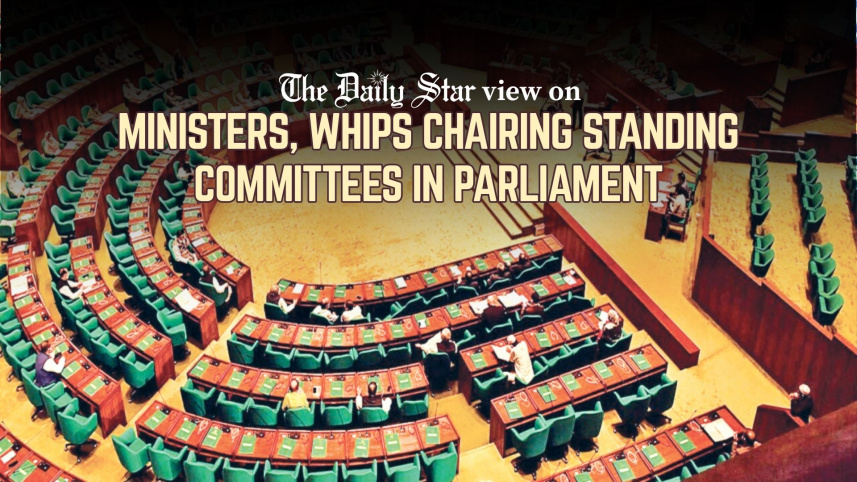
We concur with the concern expressed by Speaker Hafiz Uddin Ahmad over the inclusion of cabinet members and whips as chairpersons of parliamentary standing committees. He is right to point out that committee chairpersons should be private members, while ministers and state ministers may serve only as members. He also urged the chief whip to remain cautious about the matter when forming committees in future. It would have been better, however, if the caution had come earlier—and been acted upon—before the majority of the committees had been formed.


Already, 45 of the 50 standing committees needed for Jatiya Sangsad have been constituted, and only one—the public accounts committee—has a chairperson from the opposition (the opposition deputy leader). This was a positive development considering that the public accounts committee is regarded as very important as it is tasked with reviewing government spending, examining anomalies identified in audit reports, asking the relevant ministries to respond to the findings, etc. The other committees, however, are chaired by ministers, whips, or other officials with ministerial rank.
A standing committee's main task is to oversee the performance of the relevant ministries (among the 50 committees, 39 are related to ministries and 11 subject-based). And this function has greater credibility and objectivity when carried out by someone who is not part of the ministry being scrutinised. This is a place where ministers and ministries are questioned, expenditures examined, and implementation failures exposed, so having chairpersons who are ministers, ministerial advisers, or whips risks turning such bodies into mere extensions of the government rather than effective instruments of parliamentary oversight, as they should be.

The committee formation problem is due to a rigid precondition set by the ruling BNP for allowing opposition lawmakers to chair the committees: that they must first agree to participate in the special parliamentary committee on constitutional amendment. With the opposition vehemently refusing to join that committee, opposition MPs have been left out of chairpersonship. Such inflexible positions will not help parliament function effectively or fulfil its role as the representative body of the people. Under the Rules of Procedure, all standing committees must be formed by the third session of a parliament, so there’s not much time left.
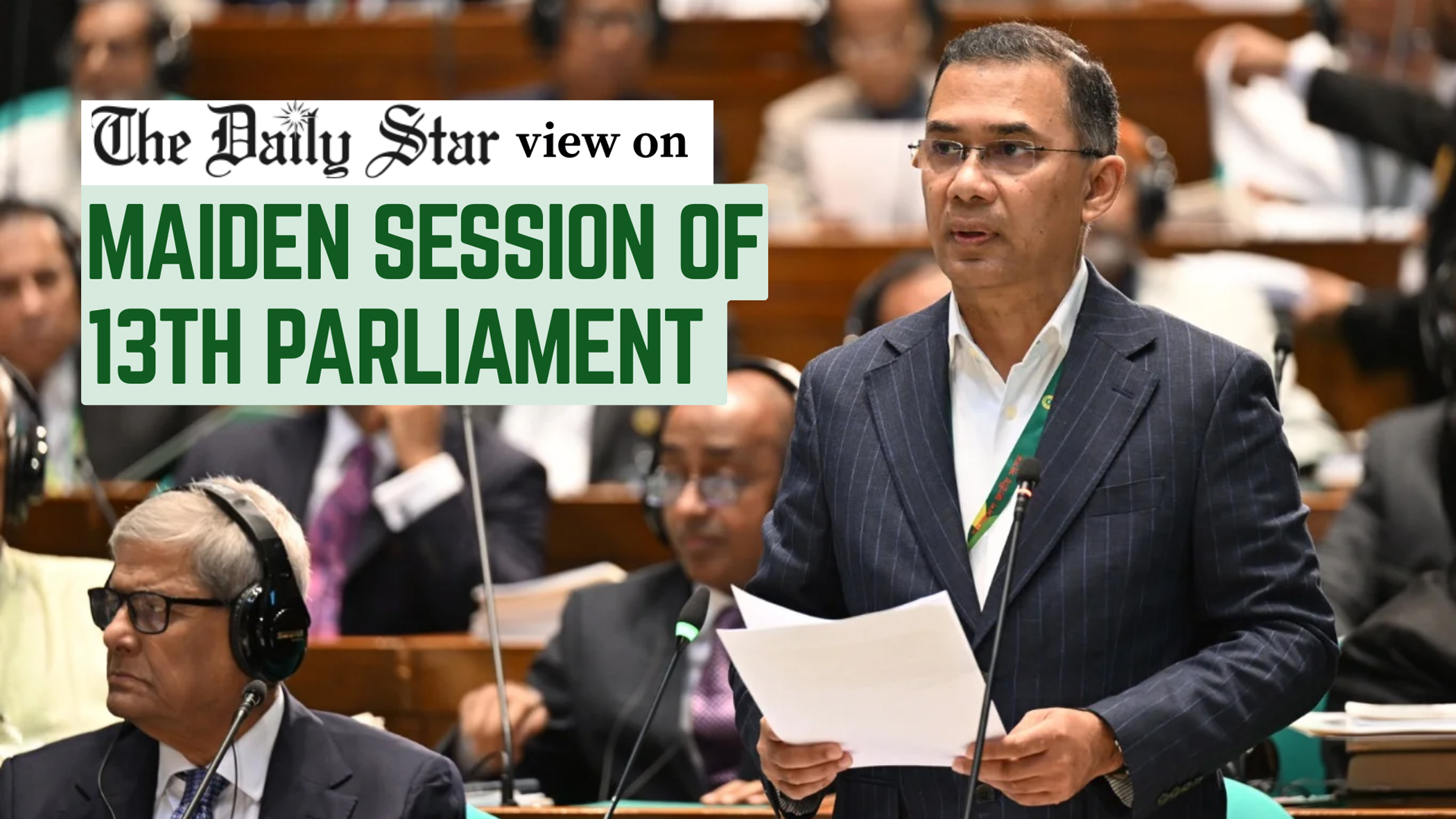
It bears repeating that the aspirations of a post-uprising Bangladesh centre on a strong parliament where the voices of the people are heard through their representatives and where the government can be held accountable. Standing committees are central to these functions. They must be able to work independently and objectively. With only a few more committees left to be constituted, and with reconstitution possible later, we hope the government will take the Speaker's words seriously and form the committees accordingly. Stronger scrutiny does not weaken a government. Rather, it helps identify flaws in policy, any financial haemorrhaging, and areas for effective intervention that can strengthen governance and public trust.
 For all latest news, follow The Daily Star's Google News channel.
Comments