


Who will pay for Nepal’s – and our – climate losses?

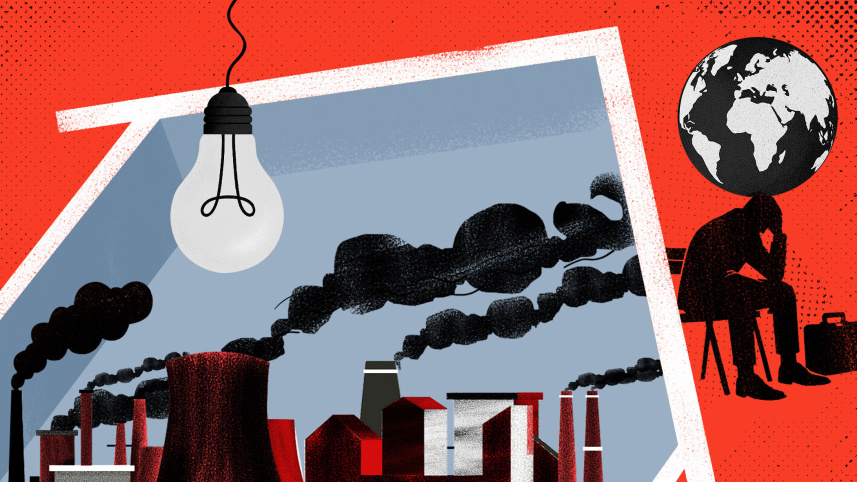
For decades, the language of climate diplomacy has been strangely polite. Countries that contributed least to global warming spoke of vulnerability. Countries that contributed most spoke of assistance. There were pledges, funds, conferences, and carefully negotiated promises to do better. The underlying arrangement was rarely stated quite so plainly: some countries polluted their way to prosperity, while others were expected to adapt to the consequences. Nepal may now be challenging that vocabulary.
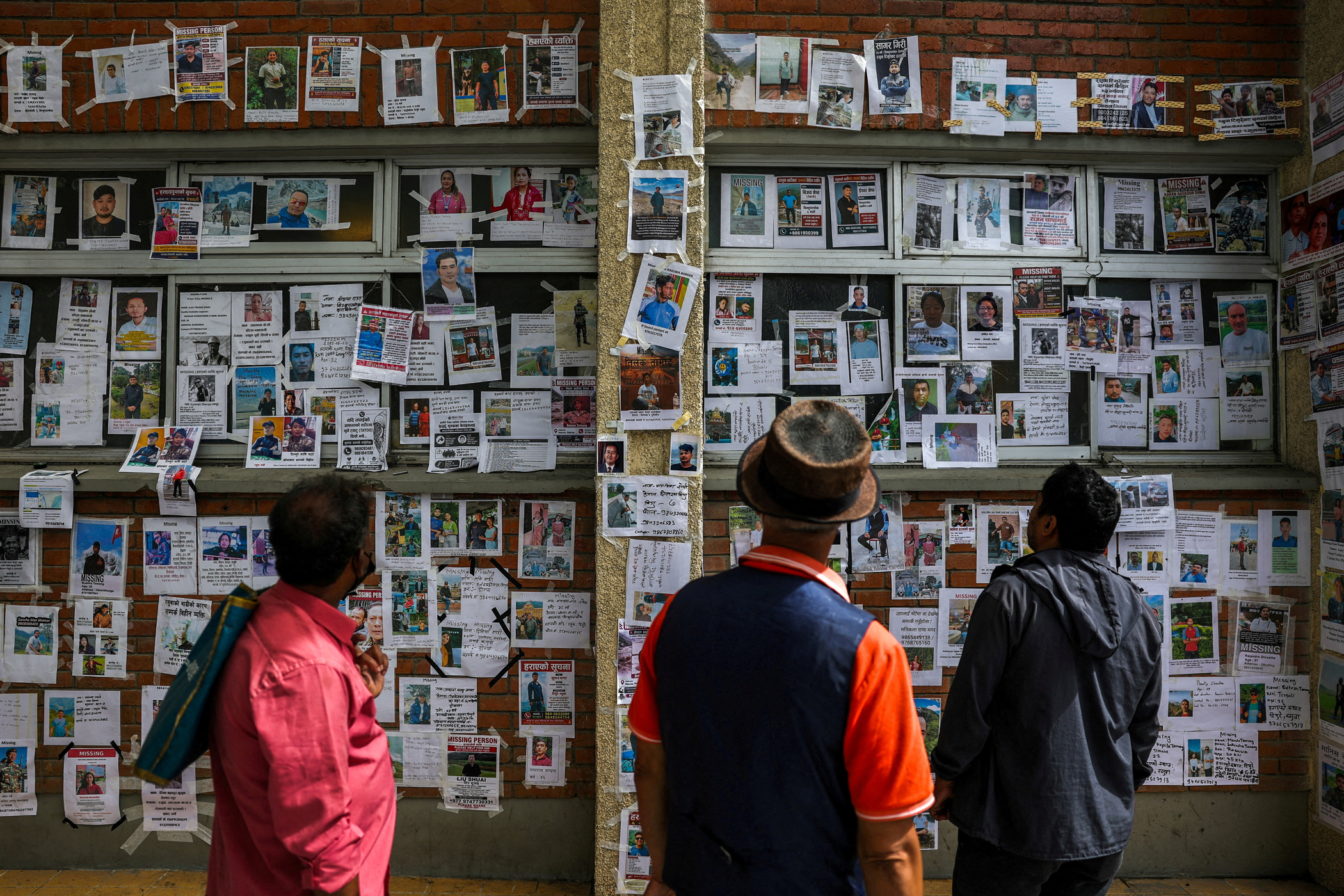
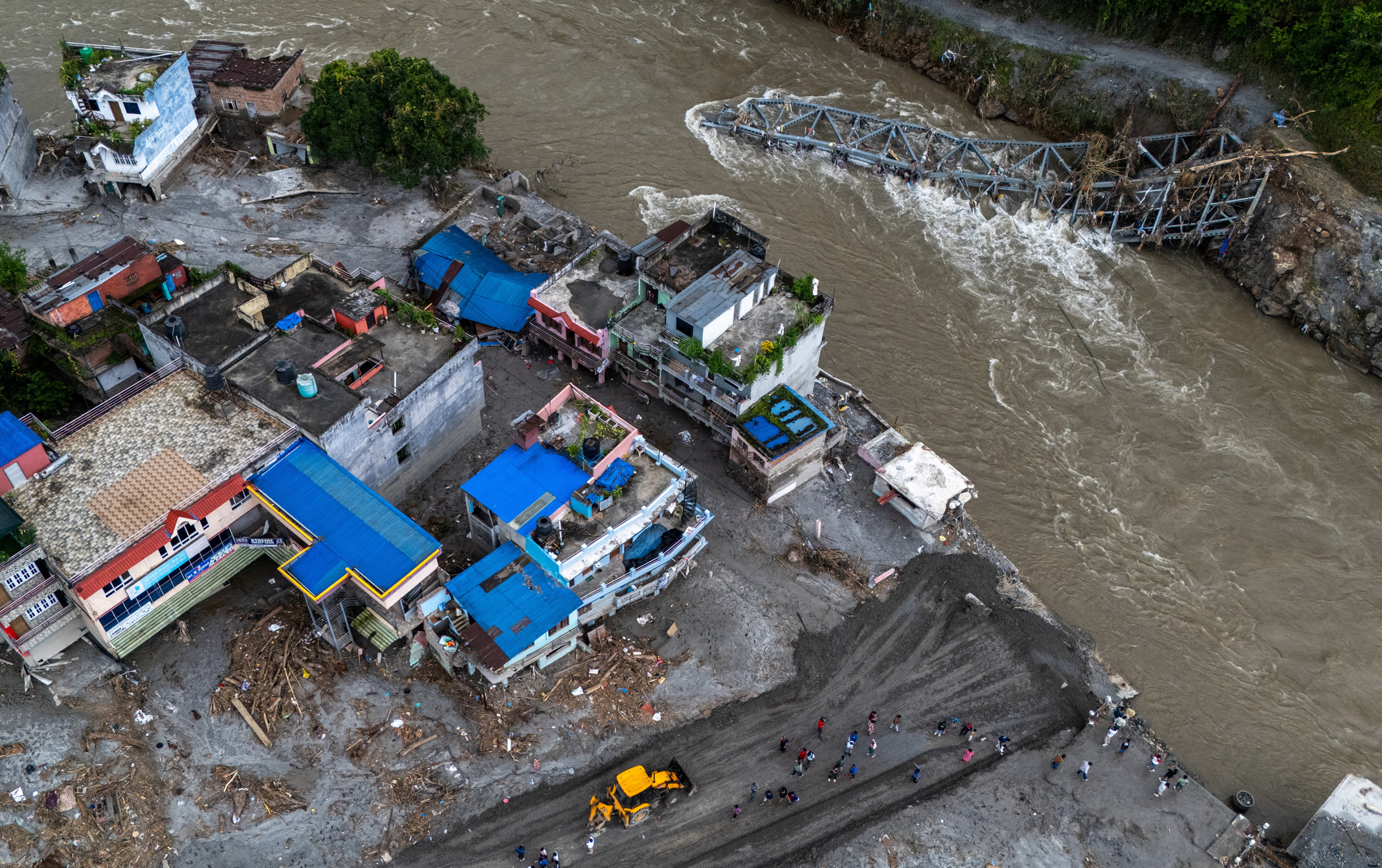
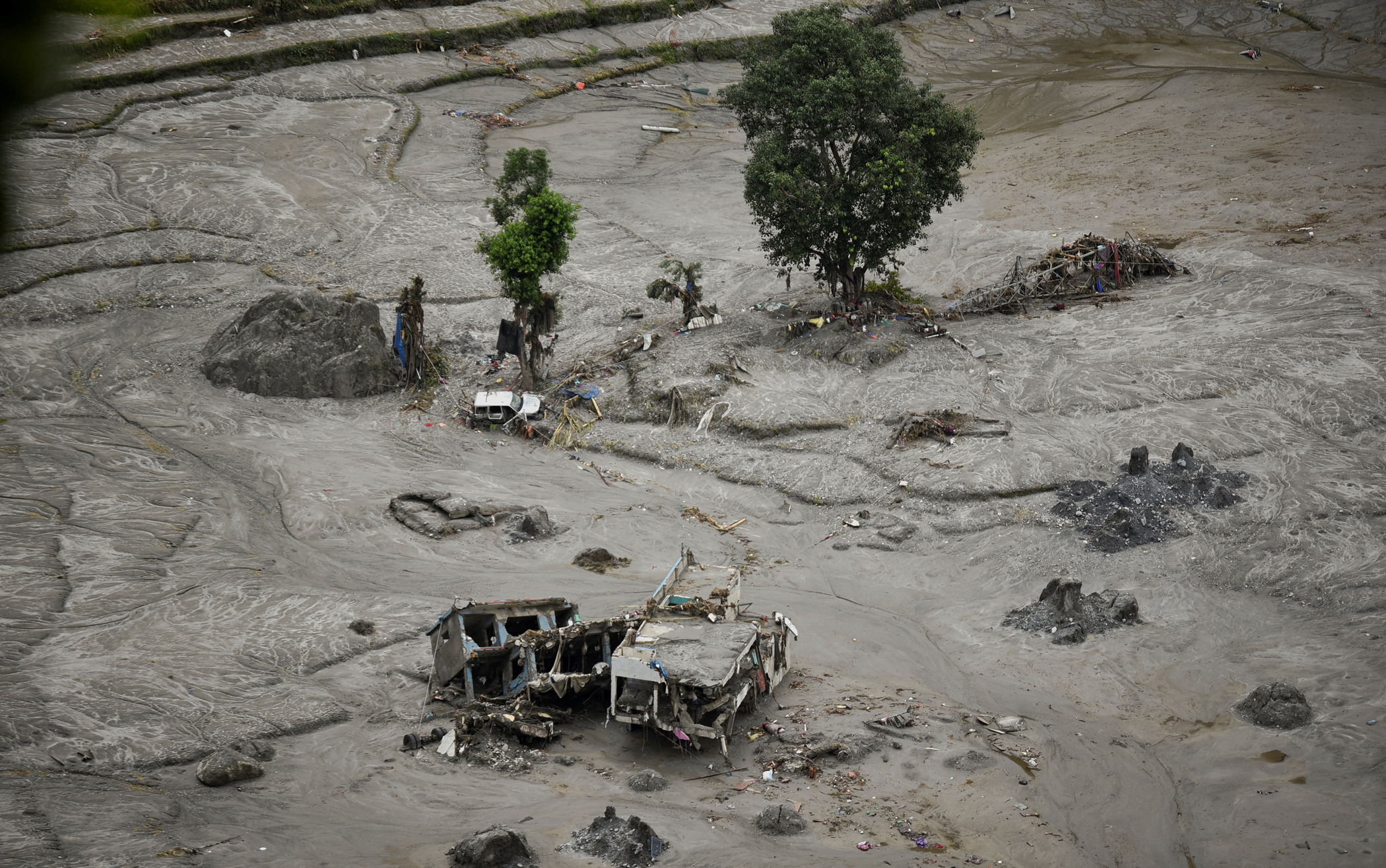
After the catastrophic floods of August 26, triggered by a glacial collapse that sent ice, rock, mud, and water through Himalayan river valleys, Nepal’s Foreign Minister Shisir Khanal announced a shift in his country’s diplomatic approach. Nepal would move, he said, from “aid” towards “justice and compensation,” identifying major emitters including China, the United States, and India. The distinction is more important than it sounds. Aid is something one country generously gives another. Compensation begins with the far more uncomfortable proposition that somebody may actually owe it. The devastation gives that argument an urgency difficult to dismiss. As of September 7, Reuters reported more than 1,380 deaths, with over 5,500 people still missing, and preliminary losses of around $2.56 billion. Nepalese authorities say thousands of homes have been destroyed and critical infrastructure badly damaged.

There is, however, an important distinction between moral responsibility and legal liability. It would be premature to declare that China, India, or the United States is legally responsible for this particular flood. Climate change is making Himalayan environments more dangerous, but establishing that a particular state’s internationally wrongful conduct caused a particular share of a particular disaster is a separate legal and scientific exercise. Nepal’s political demand is therefore not the same thing as a successful legal claim. Yet something fundamental has changed in international law.
On July 23, 2025, the International Court of Justice (ICJ) delivered its landmark advisory opinion on states’ obligations in respect of climate change. The ICJ concluded that states have legal obligations to protect the climate system from anthropogenic greenhouse-gas emissions. Failure to comply with applicable treaty and customary international-law obligations can amount to an internationally wrongful act, as defined under international law. Depending on the circumstances, the consequences can include cessation of the wrongful conduct, guarantees against repetition, and full reparation. Reparation, the court explained, may include restitution, compensation, or satisfaction. Where restitution is materially impossible, compensation can address financially assessable damage suffered by an injured state or its nationals. That does not mean the ICJ has issued an invoice to industrialised countries. It has not identified which country must pay which victim, nor quantified anybody’s climate debt. The opinion is advisory, rather than a judgment awarding damages in a contentious case. Most importantly, a claimant seeking compensation would still have to establish a sufficiently direct and certain causal connection between the wrongful conduct and the damage claimed.
But the court rejected the idea that climate change’s complexity makes causation legally impossible. It said the question must instead be examined case by case, with science playing an important role. That is where the story becomes particularly relevant for Bangladesh. We have spent decades, with good reason, describing ourselves as one of the world’s most climate-vulnerable countries. However, amidst the emerging legal landscape, we must ask: should Bangladesh prepare not just to receive climate finance, but also to establish climate claims?
There are already experiments underway. Four residents of Indonesia’s low-lying Pari Island are pursuing Holcim in Switzerland, seeking compensation for climate-related damage, contributions towards flood-protection measures and faster emissions reductions. In December 2025, the Cantonal Court of Zug admitted their complaint, allowing the claims to proceed. That was an important procedural victory, not a judgment that Holcim is liable. The merits remain to be determined, and Holcim has contested the case. This suggests that climate accountability is slowly leaving conference halls and entering courtrooms.
Besides, the Fund for Responding to Loss and Damage, established through the UN climate process, is there to assist particularly vulnerable developing countries facing economic and non-economic losses associated with climate change. It is, however, not a judicial finding of liability against a particular emitter. Bangladesh should understand the difference and prepare for both. That means investing in climate attribution science, maintaining credible databases of losses, documenting displacement and infrastructure damage, strengthening environmental and international-law expertise, and studying possible avenues of state and corporate responsibility. A legal claim constructed after a catastrophe will always be weaker than an evidentiary architecture built before one.
None of this means Bangladesh should begin filing speculative lawsuits against every industrialised country. International litigation is expensive, politically sensitive, and legally uncertain. Nor should climate accountability become an excuse for our own failures in urban planning, river management, environmental protection, or disaster preparedness. Climate vulnerability does not absolve domestic governments of responsibility. But neither should domestic failures become an excuse for the rest of the world.
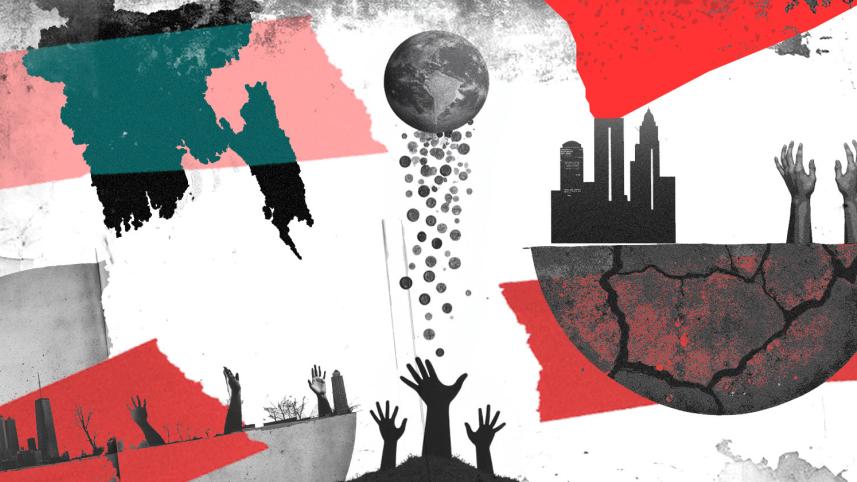
For years, vulnerable countries have arrived at climate negotiations carrying photographs of flooded homes, destroyed crops, and displaced families, asking for solidarity, for finance. Nepal’s new language suggests that the next phase may be different. The question may no longer be simply how much the world is willing to give countries suffering from climate change. International law is beginning to make room for a more difficult question: when measurable harm follows the breach of a legal obligation, how much is actually owed? And for Bangladesh, that distinction could define the next era of climate diplomacy.
Barrister Noshin Nawal is a columnist for The Daily Star. She can be reached at nawalnoshin1@gmail.com.
Views expressed in this article are the author's own.
Follow The Daily Star Opinion on Facebook for the latest opinions, commentaries, and analyses by experts and professionals. To contribute your article or letter to The Daily Star Opinion, see our guidelines for submission.
 For all latest news, follow The Daily Star's Google News channel.
Comments