


When wars far away hit home: Bangladesh must act now
There is a dangerous tendency in Dhaka’s policy circles to treat conflicts in distant theatres as someone else’s problem. The war involving Iran is the latest test of that complacency—and Bangladesh cannot afford to fail it.
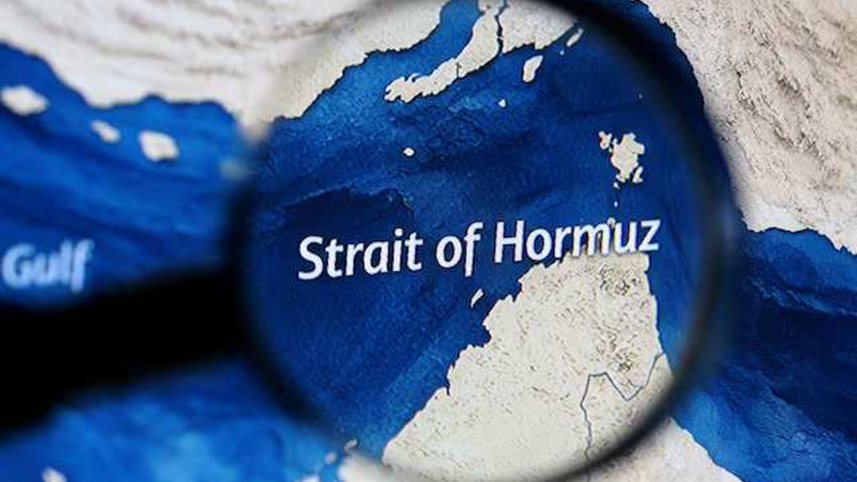
The Strait of Hormuz, the narrow waterway separating Iran from the Arabian Peninsula, is one of the most consequential chokepoints in the world. Roughly 20 to 30 percent of the world’s fertiliser exports pass through it. A significant share of global energy supplies do, too. When conflict threatens that corridor, the consequences do not stay in the Gulf. They travel—through supply chains, shipping lanes, and remittance flows—directly to countries like ours.
 For all latest news, follow The Daily Star's Google News channel.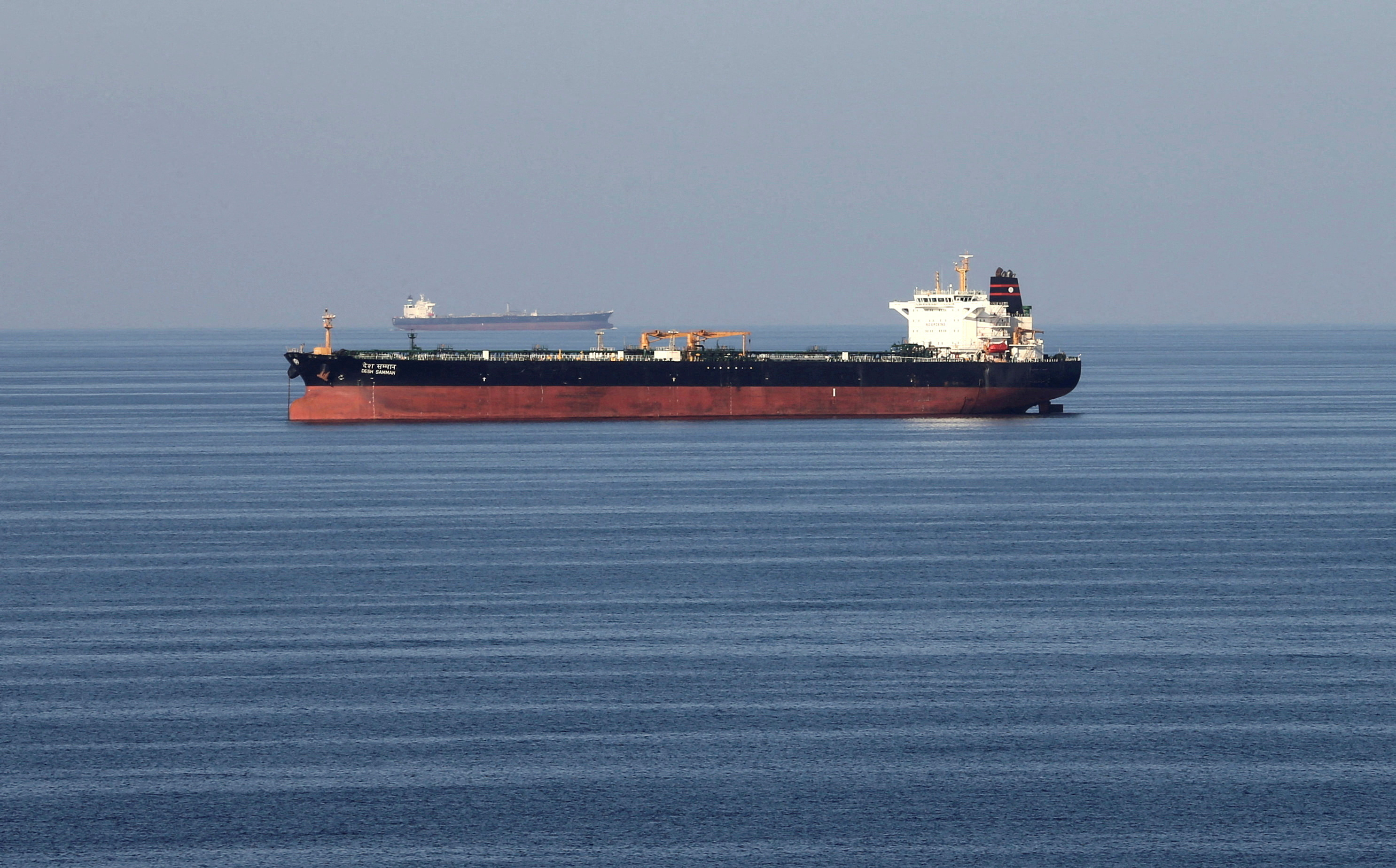
Bangladesh’s agricultural backbone relies on nitrogen-based fertilisers, most of which are derived from natural gas and traded through Gulf supply routes. When the Russia-Ukraine war disrupted global fertiliser markets in 2022, Bangladeshi farmers felt it acutely, in higher input costs, reduced yields, and a squeeze on rural incomes. A disruption in the Strait of Hormuz would trigger a similar shock, potentially worse. Fertiliser prices are already climbing. If shipping lanes remain under threat, the next planting season could become a crisis.
Meanwhile, higher oil prices do not merely affect fuel pumps. They raise the cost of running irrigation systems, operating cold storages, and transporting produce from farm to market. Every link in Bangladesh’s food supply chain becomes more expensive. The result is predictable: inflation hits the plate of ordinary families the hardest, while the government faces mounting pressure on its subsidy bill at a time of already strained fiscal resources.
Perhaps the most immediate vulnerability is human. Over three million Bangladeshis work across Gulf states, sending home remittance that acts as a lifeline for millions of families and a critical pillar for our foreign exchange reserve. Prolonged instability in the region threatens workers’ safety and the economic viability of the communities that depend on them. History shows that when Gulf economies contract, Bangladeshi workers are among the first to bear the burden through reduced wages, job losses, and forced returns.

Bangladesh does not have the luxury to adopt a wait-and-see approach. Our foreign policy establishment must immediately assess exposure across three fronts: fertiliser import dependence and alternative sourcing options; energy import diversification; and diplomatic engagement to protect the interests of our workers abroad.
Here, history offers both inspiration and obligation. Late President Ziaur Rahman was a pioneer in building Bangladesh’s diplomatic bridges with the Middle East, cultivating relationships of trust and mutual respect that opened doors for our workers and traders for decades to follow. That legacy is not merely a matter of pride; it is a living diplomatic asset. Prime Minister Tarique Rahman, as his son and political heir, carries both the name and the moral authority that commands genuine warmth across Gulf capitals. A proactive diplomatic initiative from Dhaka at this moment—to signal solidarity with affected partners, safeguard Bangladeshi workers, and secure supply chain continuity—would be received not as the intervention of a small nation seeking favours, but as the principled engagement of a trusted friend. That is a valuable form of leverage, and it should be used.
This is, however, not a call for Bangladesh to take sides in a geopolitical conflict that is not ours to resolve. It is a call for proactive statecraft—the kind that small and medium economies must practise to shield their citizens from storms they did not create. And in that endeavour, our foreign ministry, commerce ministry, and the Bangladesh Bank all must be working in coordination, not in silos.
The Iranian conflict is a reminder that in a deeply interconnected world, no country is truly insulated from the consequences of war. Food security, energy stability, and the welfare of our diaspora workers are not secondary concerns—they are at the core of national interest. Bangladesh has navigated global shocks before. But this time, navigation requires a firm hand on the wheel. This is the moment for our policymakers to demonstrate that they are watching, thinking, and acting, before the crisis further affects our fields, markets, and migrant households.
The cost of inaction is one we cannot afford.
Barrister Mir Ahmad Bin Quasem (Arman) is a Member of Parliament for Dhaka-14 and Adviser on Foreign Affairs to the Leader of the Opposition, Dr Shafiqur Rahman.
Views expressed in this article are the author's own.
Follow The Daily Star Opinion on Facebook for the latest opinions, commentaries, and analyses by experts and professionals. To contribute your article or letter to The Daily Star Opinion, see our guidelines for submission.
Comments