


Saudi-bound workers deserve a fairer skills-testing system

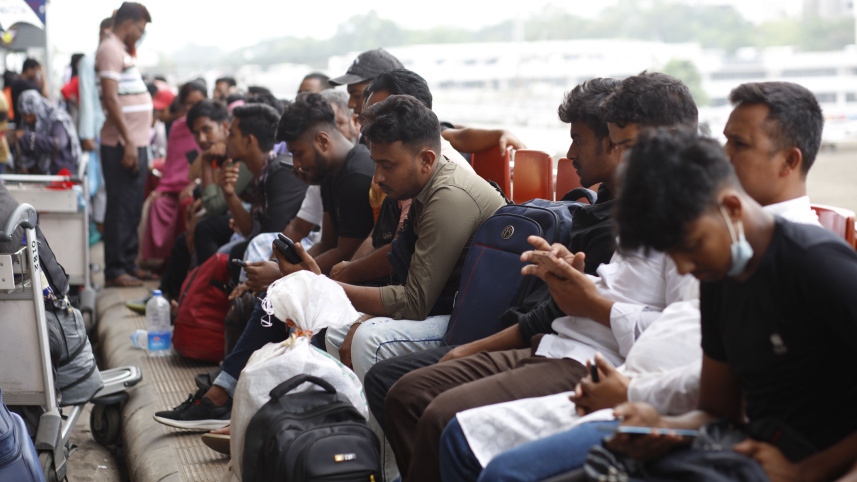
Saudi Arabia is Bangladesh’s biggest labour market, which mostly recruits many semi-skilled workers to low-paid jobs, including cleaning, construction, and loading and unloading. However, the cost of entering this labour market is not low, as migrant aspirants, have to undergo mandatory skill verification processes among other things and the fees for those keep rising, making migration to Saudi Arabia almost unaffordable for low-income workers.
Last month, the Saudi Arabian government increased the fee for Takamol—a test foreign workers must take for skills verification—from $50 to $85, in other words, a 70 percent hike in test fees. The test was made mandatory for workers from Bangladesh in 2022. Since then, 4,47,572 migrant aspirants have taken the exam, and 1,22,909, or 27 percent, failed.

While there is no objection to the need to verify workers’ skills through tests, as it helps employers ensure that workers have the required skills for the jobs, the structure, scope and cost of this exam often do not match the reality migrant workers face.
Saudi Arabia launched the skills verification programme in 2021 and the pre-arrival testing was rolled out in phases in labour-exporting countries from 2022 for technical professions such as plumbing, electrical work, welding, refrigeration, and automobile electrical work. Later, it was expanded to 73 other professions, including cleaning and loading. It is worth examining how effective a computer-based skills test can be for a cleaner or a general worker, and to what extent the test result helps secure a job or increase a worker’s wages. So far, there is little evidence of significant wage increases.
According to workers and media reports, the monthly income of cleaners and construction workers ranges from Tk 25,000 to Tk 30,000. But a worker needs to pay Tk 3.5 lakh to Tk 5 lakh in migration costs to go to Saudi Arabia. The increase in test fees is adding to this cost. If a worker fails the exam, he has to retake the exam, paying $85 again.
If a certificate makes a worker more skilled, strengthens their ability to negotiate, and ultimately helps increase their wages, then the certificate certainly has economic value. But when a worker has to pay fees repeatedly for the same exam while their wages remain stagnant, the effectiveness and rationale of the entire process from the worker’s point of view must be examined.
Last year in November, the Bangladesh government tried to push back against the fee. The then Secretary of the Ministry of Expatriates’ Welfare and Overseas Employment Neyamat Ullah Bhuiyan, raised the issue during a meeting with Takamol officials in Riyadh. He requested that the $50 fee be waived for workers retaking the test as it places extra burden on low-income workers. A year later, the waiver did not come; a fee hike of 70 percent did.
A labour agreement was also signed between Bangladesh and Saudi Arabia last year. It stated that every worker would receive a written job offer and employment agreement through an approved digital system before travelling to Saudi Arabia. It also prohibited employers from deducting unauthorised fees or other charges from workers’ wages and required wages to be paid through bank accounts.
It is crucial that this agreement is implemented properly because the cost of migration does not end with travelling from Bangladesh to Saudi Arabia. Visa fees, medical tests, training, biometric registration, skills tests and other mandatory processes all add to the total cost of migration. And to recover that cost, a Bangladeshi cleaner in Saudi Arabia, for instance, must work for more than a year.
Another important issue is the recognition of skills. According to some media reports, this year the Bangladesh government has proposed that the Saudi Arabian government directly recognise the national skills certificate conferred by the National Skills Development Authority. If the proposal is implemented, workers who have a skills certificate from Bangladesh may not have to sit for the pre-arrival Takamol skills test. This could reduce the additional cost of migration for workers.
The largest share of Bangladesh’s remittances come from Saudi Arabia. According to Bangladesh Bank, Bangladesh received $35.59 billion in workers’ remittances in FY2025-26, of which $5.85 billion came from Saudi Arabia. That means Saudi Arabia alone accounted for around 16 percent of Bangladesh’s total remittance inflows. Therefore, it is crucial to examine how much these workers spend to enter the Saudi labour market and what they earn in return.
If migration is to become a means of improving a family’s economic condition, then the process must be worker-friendly. Skill evaluation is obviously important, but if it places an additional financial burden on workers in the name of skills testing, while the financial value of those skills is not reflected in their wages, then there remains a gap between the intention of the tests and the outcome.
In the end, the value of a certificate for a worker does not lie in the paper itself. It lies in what that certificate does for his life. If it helps increase his wages, improve his job security, and create opportunities for better jobs, then it has a clear purpose. Otherwise, who really benefits from these tests remains unclear.
Md Abbas a former journalist, is currently working in corporate communications. He can be reached at
abdulla180395@gmail.com.
Views expressed in this article are the author's own.
Follow The Daily Star Opinion on Facebook for the latest opinions, commentaries, and analyses by experts and professionals. To contribute your article or letter to The Daily Star Opinion, see our guidelines for submission.
 For all latest news, follow The Daily Star's Google News channel.
Comments