


Reset priorities to help the poor and vulnerable
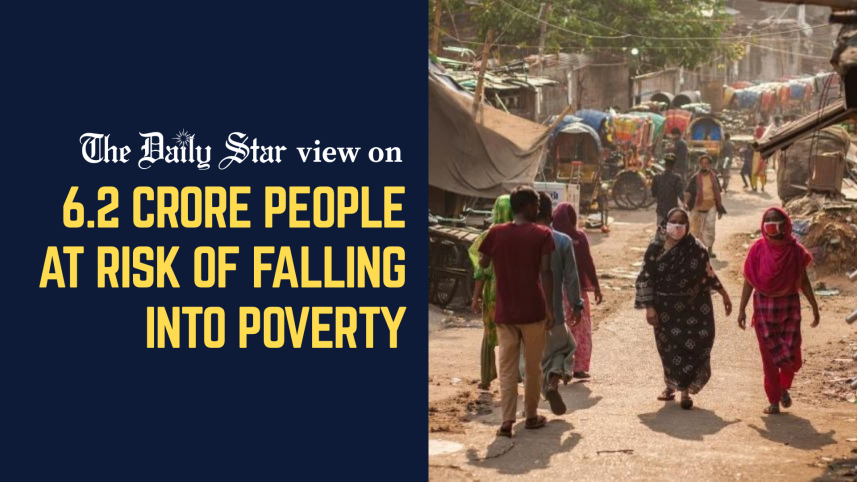
The World Bank’s recent warning that 6.2 crore people in Bangladesh are just one shock away from poverty should wake our policymakers up. The multilateral lender’s latest Bangladesh Development Update paints a grim economic picture for the current fiscal year, marked by rising poverty and inequality, weak economic growth, and high inflation. According to the report, national poverty is expected to rise to 22.5 percent in 2026 from 21.4 percent in 2025, and 21 lakh people are estimated to fall into poverty. Meanwhile, the Gini coefficient that measures inequality is estimated to rise to 34.9 from 34. In other words, not only will more people become poor, but the gap between the rich and poor will also increase.

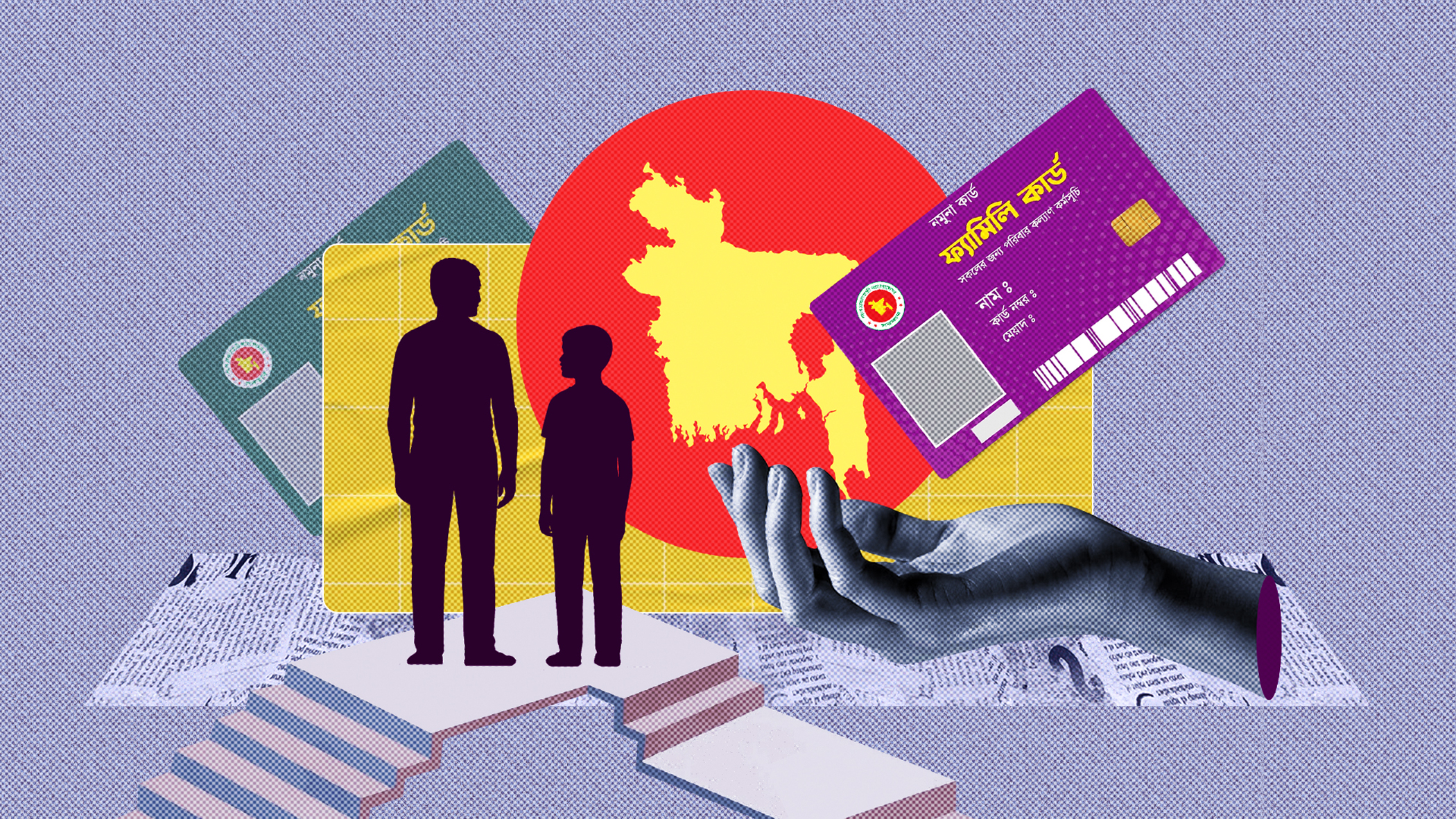
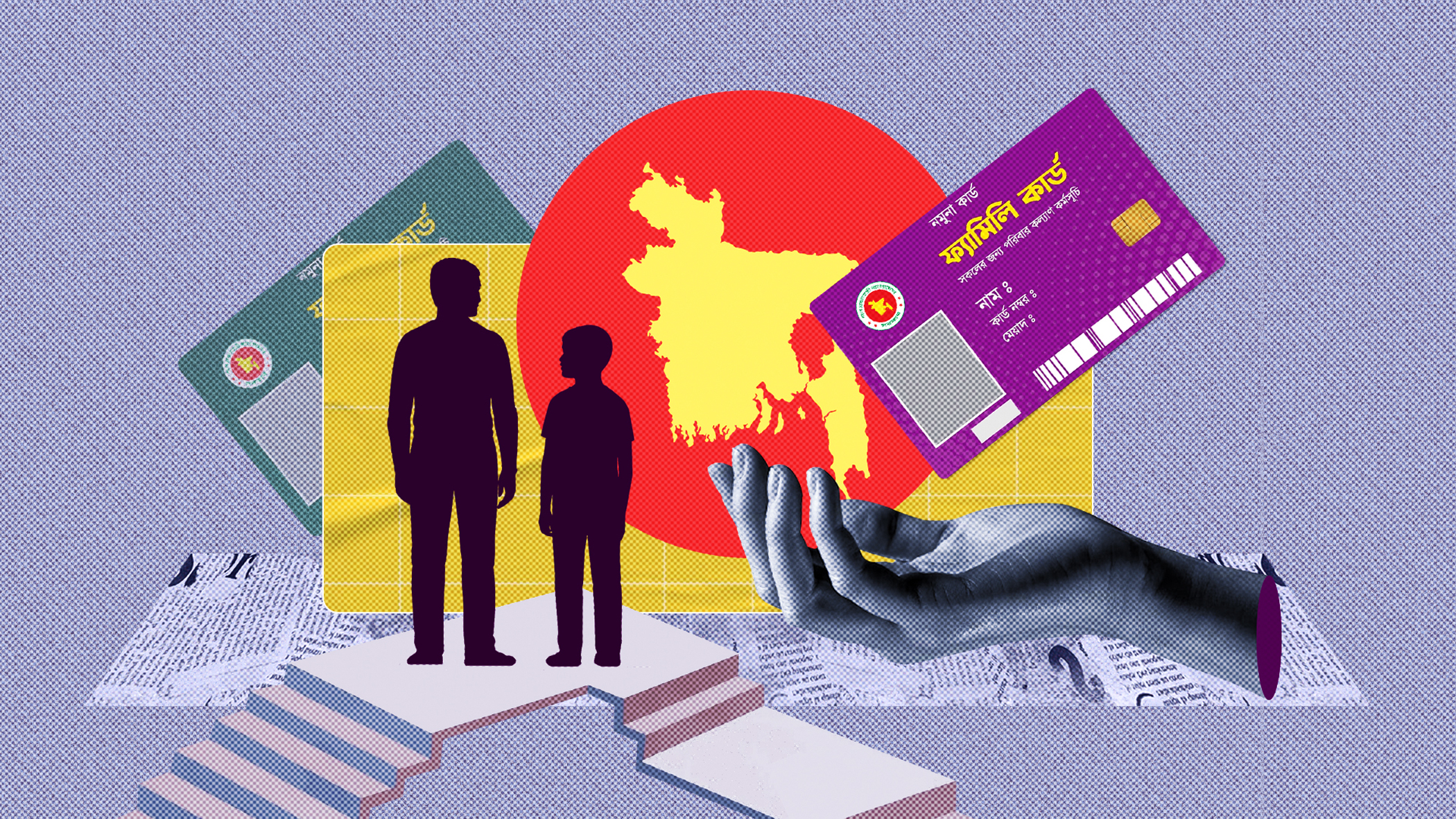
What’s more concerning is that the design of the national programmes intended to help the poor is contributing to the rising inequality. The World Bank report highlights inadequate coverage, low support relative to living costs, disjointed eligibility rules, overlapping beneficiary lists, and convoluted delivery in our patchwork of social safety net programmes. While the Family Card initiative aims to bring the numerous programmes under one umbrella, the World Bank warns it will do little to reduce poverty if the administrative inefficiencies persist. Similarly, design failure in both fertiliser and energy subsidies, which benefits the wealthy more than the poor, must also be addressed.
While these structural issues have existed for years, the current and last fiscal years have been particularly difficult for middle- and low-income groups because of the fertiliser and energy crises, caused mostly by external shocks. To ease the fiscal strain, the government raised electricity, fuel and LPG prices—some more than once. But the hikes cannot be attributed entirely to the shocks; syndicates and artificial shortages within the country also played a role, while the government failed to control the market. It has also failed to boost investor confidence, while sluggish private sector growth, aggravated by the energy crisis, has limited job creation. In fact, production slowdowns and cuts sometimes resulted in lay-offs. The spillover effects may already be visible in the deteriorating law and order situation.
Under such circumstances, the government’s decision to roll out ambitious revenue targets and overstretch the budget to accommodate large non-development expenditures was not prudent. Even if it somehow failed to see the warning signs on the economic horizon after taking office in February, the World Bank’s latest report should at least make it tighten their purse strings now. More importantly, the report should push the government to focus on the real vulnerable and marginal groups, who do not enjoy the security of public sector jobs. It should also delay costly deals, fix the social safety net programmes, and pursue reforms to boost domestic investment and create jobs. It should not wait until the next disaster hits us and create the 6.2 crore newly poor.
 For all latest news, follow The Daily Star's Google News channel.
Comments