


Fix the gaps fuelling measles and dengue
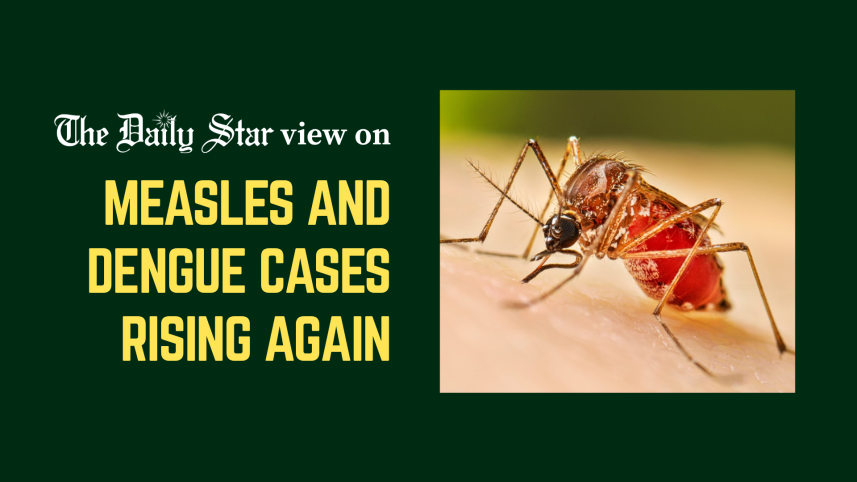
We are alarmed by the resurgence of measles in August after cases, hospitalisations and deaths had declined for the two consecutive months before that. According to the Directorate General of Health Services (DGHS), the country recorded 32,934 measles cases last month, up from 31,327 in July. Hospital admissions rose from 26,360 to 27,458, while deaths increased from 119 to 136. The daily averages for all three indicators also went up. Worryingly, the resurgence of measles is reported at a time when dengue is also spreading rapidly. The country recorded 20,536 dengue cases and 43 deaths in August, making it the third-worst August since the country’s first major outbreak in 2000. The two outbreaks are putting considerable pressure on our already strained healthcare system. As of September 1, a total of 7,724 patients were receiving treatment in hospitals for measles and dengue combined.
Reportedly, by May 20, some 1.84 crore children aged 6–59 months had received the measles-rubella vaccine, exceeding the target of 1.8 crore. Cases and hospitalisations subsequently declined in June and July. But the nationwide Vitamin A Plus campaign in June revealed a gap of 38.83 lakh between the number of children who received Vitamin A capsules and those vaccinated against measles. The government also admitted that the vaccination target had been underestimated. Although a mop-up campaign was conducted in July and the number of vaccinated children has since risen to around 1.97 crore, the increase in cases in August suggests that many children remain unprotected.

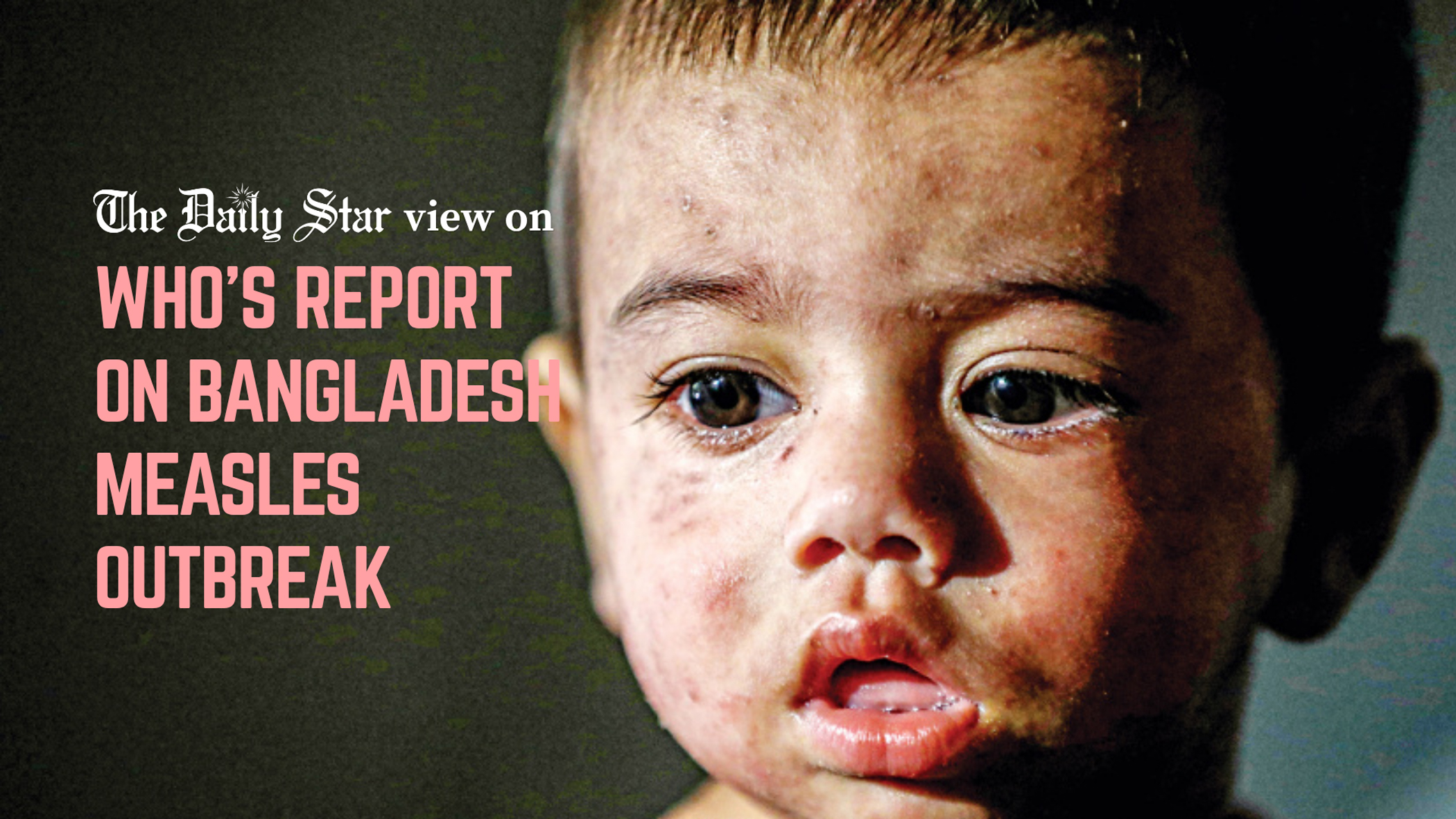
The two viral outbreaks are also taking a heavy financial toll on families, particularly those from low-income groups. A recent assessment found that nearly nine in 10 families affected by measles had borrowed money to cover treatment-related costs, while six in 10 had exhausted their savings. Rising dengue cases are likely to put further financial pressure on families, especially when patients need long hospital stays or have to travel long distances for treatment. The government must therefore ensure affordable treatment and strengthen social protection for families affected by these outbreaks.
The authorities must urgently identify and address the gaps that are allowing both diseases to spread. In the case of measles, public health experts have pointed out that the vaccination shortfall could be geographical, age-related, or socioeconomic. The government should therefore target its vaccination efforts accordingly. It must also pay greater attention to children under six months, who are not eligible for routine measles vaccination but are vulnerable to infection. Public health measures to contain transmission must also be strengthened. Isolating children with fever, ensuring mask use by patients and caregivers, promoting handwashing, and strengthening infection-control measures in hospitals should be enforced rigorously. For dengue, the authorities must identify neighbourhood-level hotspots, intensify mosquito-control drives, and engage communities before the situation worsens further. Ensuring timely diagnosis and treatment, particularly for patients showing warning signs, can also prevent avoidable deaths.
 For all latest news, follow The Daily Star's Google News channel.
Comments