


Sleep Clinics: Why They’re Becoming Essential
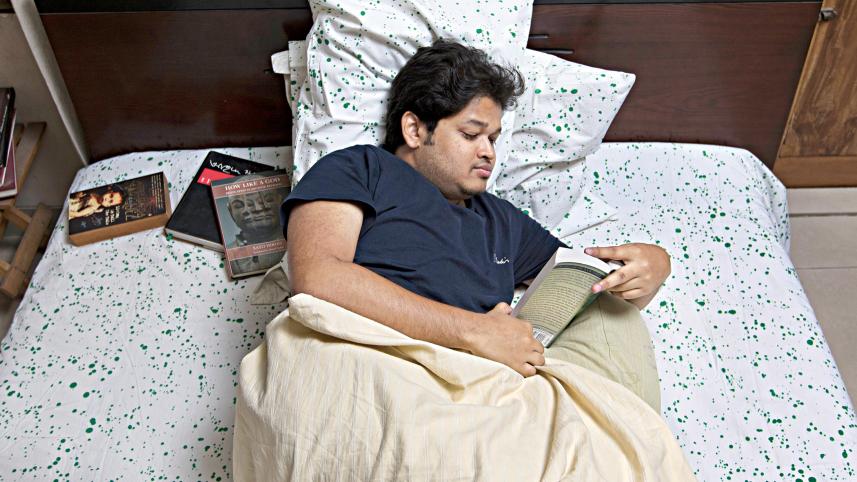
Globally, sleep clinics have expanded rapidly, transforming sleep medicine into a distinct and established field. Bangladesh, though slightly behind, is now catching up fast.
If you ask people in Dhaka how they are sleeping these days, the answer is almost always the same: not well!

Between late-night screens, exhausting commutes, irregular meal times, and the grind of modern life, Bangladeshis are slumbering less and waking up more tired than ever before.
What used to be a rare complaint has become a constant background hum in urban life, with people saying things like, “I don’t feel rested,” “I keep dozing off during the day,” “I wake up gasping,” “I snore too loudly,” “I feel foggy even after eight hours.”
In the last decade, several major hospitals have opened dedicated centres and labs, while private facilities are beginning to offer structured assessments as well. Even so, most people here still do not know what a sleep clinic actually does, who it helps, or what a sleep study even measures.
This uncertainty keeps many Bangladeshis stuck in cycles of exhaustion — avoiding naps, scrolling through home remedies, and assuming their issues stem only from stress.
The truth is far more layered. As specialists repeatedly point out, sleep-related disorders are complex medical conditions, and many are rooted not just in lifestyle but in the brain, airway, or underlying health conditions.

What exactly is a sleep clinic?
It is a dedicated medical facility where trained specialists diagnose and manage disorders using tests like polysomnography, home tests, and consultations. These centres are designed to evaluate how your brain, heart, lungs, and muscles behave while you are asleep. Patients usually spend a night in a quiet room where sensors monitor their breathing, heart rate, oxygen levels, and brain waves.
Dr Fazle Rabbi Mohammed, Consultant of Respiratory and Sleep Medicine at Square Hospital Limited, describes it clearly: “We monitor your brain waves, breathing, heart rate, and movement. Sensors are placed on your body to collect signals during the night. Doctors analyse the data to diagnose issues like sleep apnoea.”
Why do people go to sleep clinics?
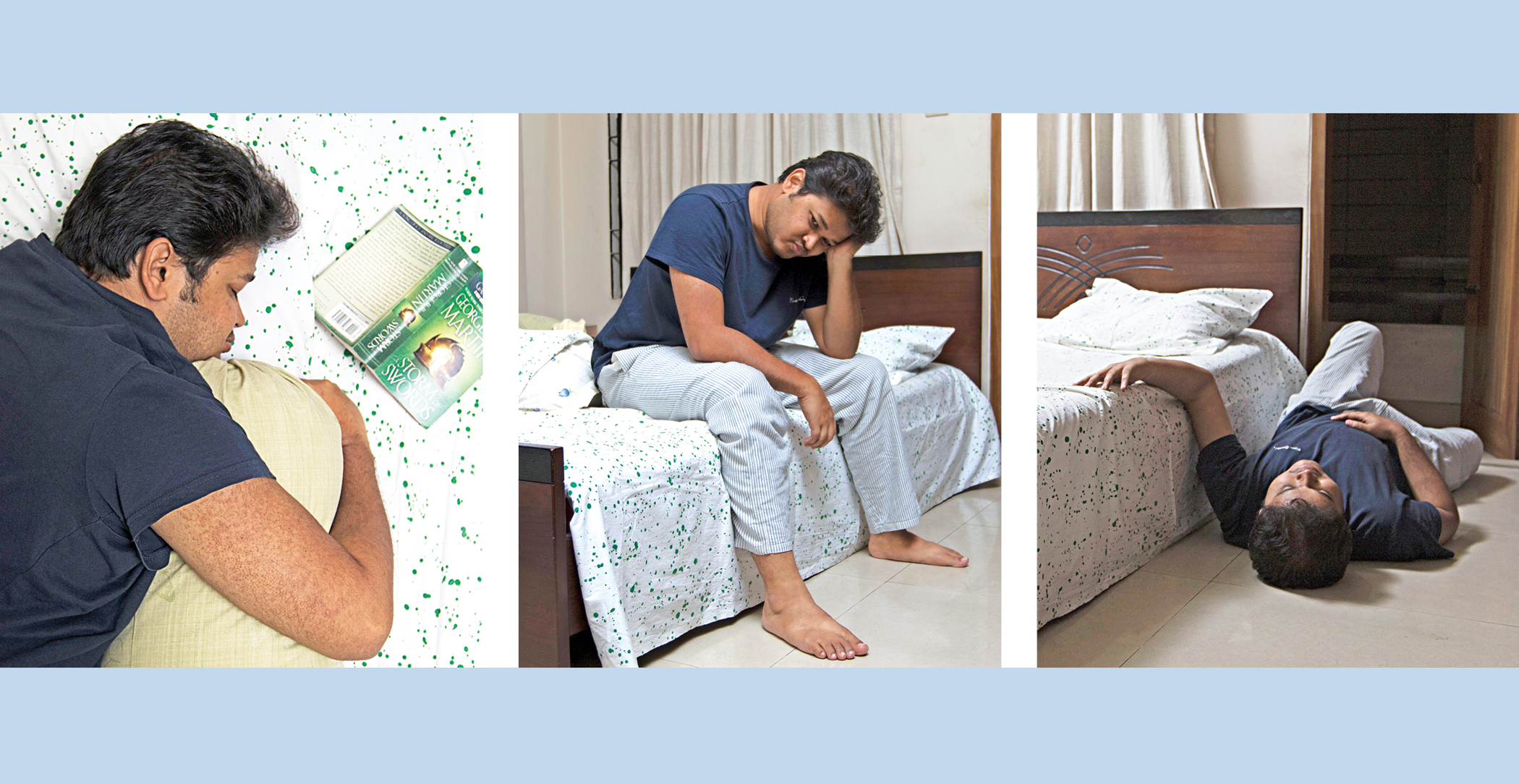
For most patients, the main trigger is persistent tiredness that cannot be explained. Many assume that getting seven or eight hours of sleep is enough, but neurologists point out that quality matters far more than duration.
Dr Mohammad Najim Uddin, Senior Neurologist at Evercare Hospital, Chattogram, describes the neurological side of the disruption. “Duration does not guarantee quality. The brain may fail to enter restorative stages or may repeatedly drift between rest and wakefulness unnoticed.”
Patients who snore loudly, stop breathing while napping, or feel excessively exhausted during the day are often struggling with obstructive sleep apnoea (OSA) or central sleep apnoea (CSA).
Others battle neurological disorders like narcolepsy, idiopathic hypersomnia, or restless legs syndrome. Many clinics also see individuals with chronic insomnia or unexplained fatigue that has lasted for years.
As Dr Sajib Saha, Vertigo and Balance Specialist at Sleep Center, explains, “Most patients come with symptoms such as loud snoring, pauses in breathing, daytime drowsiness, morning headaches, or feeling tired even after a full night’s rest.”
What services do these clinics provide?
Most offer a set of core services, but the depth and sophistication vary from one centre to another. The most common services include consultations, overnight studies, snoring evaluation, insomnia assessments, and follow-up care.
The overnight polysomnography remains the gold standard. Patients arrive in the evening, settle into a private room, and rest naturally while sensors capture vital signals.
Dr Saha reassures patients who may be nervous, “A sleep study is a painless overnight test. Sensors simply record information, and in the morning, the patient goes home. Our specialist analyses the results to understand the cause of the problem.”
 For all latest news, follow The Daily Star's Google News channel.
 Before undergoing a study, most clinics require a consultation, as Dr Mohammed explains: “It is recommended to visit a specialist doctor. The physician will score the Epworth Sleepiness Scale with standard questionnaires to evaluate if a study is advisable.”
Similarly, Dr Saha notes that patients “should be evaluated by a specialist or an ENT/pulmonologist before the test” to determine the correct type of study.
These structured assessments help ensure that patients are not over-tested or misdiagnosed.
When should you consider booking a sleep study?
Most people delay seeking evaluation for years, blaming exhaustion on stress or poor routines. Neurologists emphasise that central disorders often stay hidden because they produce no snoring or obvious signs.
“They remain hidden for years because they produce no snoring,” Dr Najim Uddin notes.
Patients often assume they are simply tired until more serious consequences like memory issues, mood changes, or sudden sleep episodes in dangerous situations appear.
Meanwhile, doctors who handle breathing-related disorders see many individuals whose sleep apnoea was ignored until it worsened other health issues. Loud snoring, observed pauses in breathing, waking up choking or gasping, and persistent daytime lethargy are some of the clearest signs that a study could be lifesaving.
The future of sleep health
Clinics in Bangladesh are expanding rapidly, but awareness remains limited. Many people still do not realise that conditions like sleep apnoea can increase the risk of stroke, heart failure, and cognitive decline. Neurologists warn that untreated disorders take a long-term toll.
“They impair cognitive function, worsen mood and irritability, reduce productivity, weaken immunity, increase accident risk, and cause emotional burnout,” says Dr Najim Uddin. His reminder underscores why sleep care is becoming an essential part of modern healthcare.
As more clinics open and as specialists across neurology, pulmonology, and ENT fields collaborate, Bangladesh is entering a new era of medicine — one where sleep is finally being treated with the seriousness it deserves.
With hospitals investing in advanced diagnostics, home-testing options expanding, and more people recognising the signs of disorders, the future of health in the country looks stronger than ever.
Model: Intisab Shahriyar
Photo: Sazzad Ibne Sayed
Comments