


Dhaka central university: Govt backtracks from merger plan


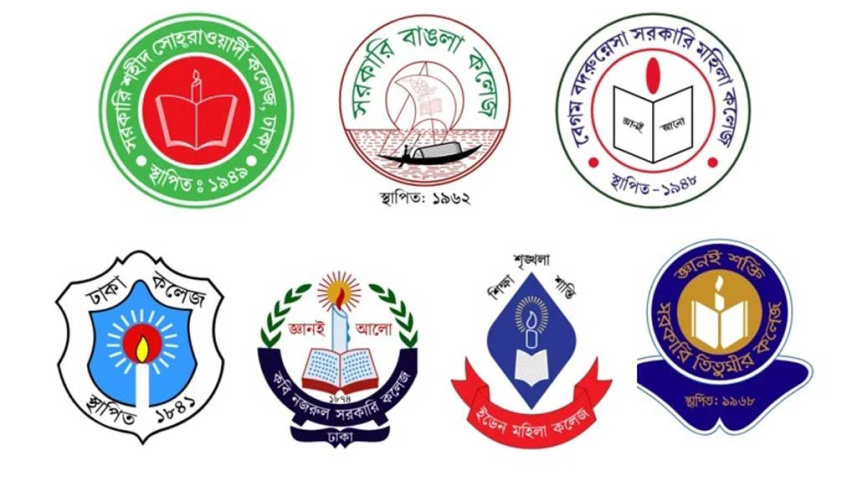
The government has finalised the draft ordinance to establish Dhaka Central University, which will primarily function as an affiliating and regulatory body for seven affiliated colleges.
Contrary to last year’s draft, the Dhaka Central University Ordinance, 2026 proposes preserving the colleges’ existing infrastructure, names and properties. Each institution will continue its regular academic activities, including Higher Secondary Certificate (HSC) education, though the colleges will no longer have separate governing bodies, according to the draft prepared by the Ministry of Education.

Ministry sources said the draft will soon be placed before the Council of Advisers for approval.
The 2025 draft had proposed converting the colleges into full campuses of Dhaka Central University, effectively dissolving their separate administrative identities. Under that plan, Dhaka College, Eden Mohila College, Government Titumir College, Government Bangla College, Begum Badrunnessa Government Girls’ College, Government Shaheed Suhrawardy College and Kabi Nazrul Government College were to be renamed as campuses of the new university, with academic and administrative authority fully centralised.
All such provisions have been removed from the final draft.
Instead, the colleges will continue to operate independently with their existing administrations. However, they will follow academic programmes approved by the proposed university.
One of the most criticised clauses in the earlier draft required the university to use the colleges’ physical infrastructure daily from 1:00pm to 7:00pm. Teachers and administrators warned the arrangement would disrupt classes, examinations and office work, particularly in already overcrowded institutions.
The latest draft drops this provision entirely. It states that the university will build its own “self-sufficient infrastructure and permanent campus”. Until then, academic and administrative activities will be conducted from rented premises.
According to the final draft, the proposed university will primarily function as an affiliating and regulatory body.
The earlier draft had also sought to tightly regulate academic arrangements by assigning specific schools and faculties to particular colleges, such as placing science disciplines at Dhaka College and Eden Mohila College. It further mandated a “hybrid method” of education, requiring 35 to 40 percent of classes to be held online.
These provisions have also been scrapped.
Under the final draft, the university’s Academic Council will determine how and where schools and departments are established. The mandatory online class requirement has been scrapped, allowing academic decisions to align with prevailing practices at other public universities.
Sources familiar with the drafting process said the changes were intended to avoid rigid structures that could prove unworkable.
To strengthen coordination between the university and the affiliated colleges, the ordinance introduces a new statutory post titled “Higher Education Coordinator”, a position absent from the earlier draft.
According to the ordinance, the coordinator will oversee academic coordination among the affiliated colleges, including curriculum implementation and scheduling, to address concerns over fragmented authority following the shift away from a full merger model.
 For all latest news, follow The Daily Star's Google News channel.
Comments