


Daily Star has been a companion for culture: Khairul Anam Shakil

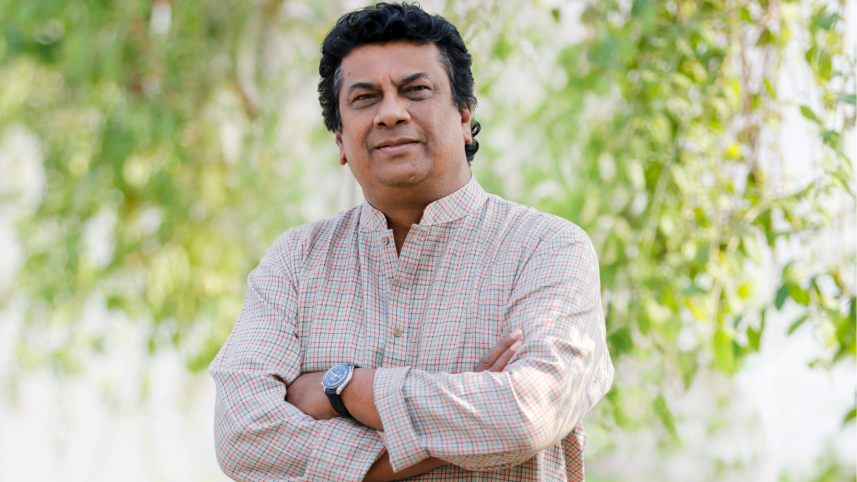
As The Daily Star marks its 35th anniversary, its journey is being reflected upon not only through headlines and milestones, but also through the voices of those who have quietly grown alongside the paper. For renowned Nazrul Sangeet exponent Khairul Anam Shakil, The Daily Star has long been more than a newspaper—it has been a cultural companion.
Extending his congratulations on the anniversary, Shakil speaks with the familiarity of a loyal reader. “Everyday, opening the newspaper, I look for the Arts & Entertainment page, as it is in my interest and a space of comfort,” he says. “For those of us who have been practising music for decades, this page is a source of genuine joy and honour.”

He acknowledges the paper’s long-standing commitment to objectivity and information, particularly in documenting the arts and culture. “There is a wealth of factual reporting here. Artistes find important information, and that consistency matters,” he notes. At the same time, he believes the paper has the capacity to go further—especially in broadening its cultural lens beyond Dhaka.
“Sometimes I feel there is a gap,” he reflects. “So much cultural work happens outside the capital. Our artistic identity is not Dhaka-centric alone. Across the country, cultural organisations are doing remarkable work, and those stories deserve deeper, more detailed coverage.” With correspondents stationed nationwide, he is confident that this newspaper can play an even more decisive role in strengthening cultural visibility across Bangladesh.
Shakil’s expectations from the paper stem from its demonstrated ability to honour contributions across sectors—from business leaders to cultural figures. “This is a time when our Bengali cultural identity needs to be shared more widely than before and ever,” he says. “Our language, our heritage, our values—these need to be written about with greater depth and care.”
In moments of cultural crisis, he believes the responsibility of the entertainment and cultural pages becomes even more pronounced. Referring to recent attacks on cultural institutions, including Chhayanaut, Shakil feels The Daily Star could have taken a stronger editorial stance. “People look to papers like The Daily Star to understand where they stand,” he says. “They want to see how the paper stands alongside the people, how firmly it protests, as it reaches the international audience as well.”
For him, this is not merely about opposition, but about clarity—about reaffirming the values on which Bangladesh was founded. “The younger generation must know why this country was liberated,” he stresses. “And The Daily Star carries a significant responsibility here, because many young readers engage with this paper, some of whom will eventually live abroad. The paper can help ensure they carry their country in their hearts.”
He acknowledges the newspaper’s efforts in celebrating achievements, particularly among schoolchildren, and welcomes initiatives that recognise academic excellence. Yet he hopes cultural journalism will also address emotional growth and patriotism. “Alongside celebrating results, there should be more writing that nurtures mental development and instils a sense of belonging,” he says.
 For all latest news, follow The Daily Star's Google News channel.
Comments