


EC to propose tougher rules for local polls
As part of preparations for local government elections, the Election Commission (EC) yesterday finalised a set of recommendations to amend laws governing the country’s five tiers of local government -- union parishads, municipalities, upazila parishads, city corporations and zila parishads.
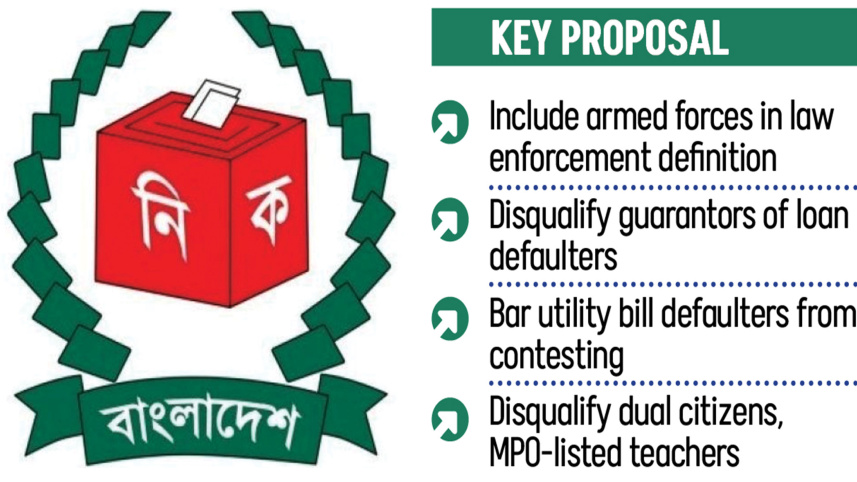
The recommendations include incorporating the armed forces into the definition of law enforcement agencies; disqualifying MPO-listed teachers, dual citizens, loan defaulters and guarantors from contesting local polls; and barring individuals holding offices of profit from running in the elections, said the commission.

The EC also decided to propose disqualifying utility bill defaulters from contesting local polls.

In addition, the commission decided that national identity (NID) cards should be renewed every 15 years for a nominal fee. It also plans to issue NIDs to those under 15, although the minimum eligibility age will be determined later.
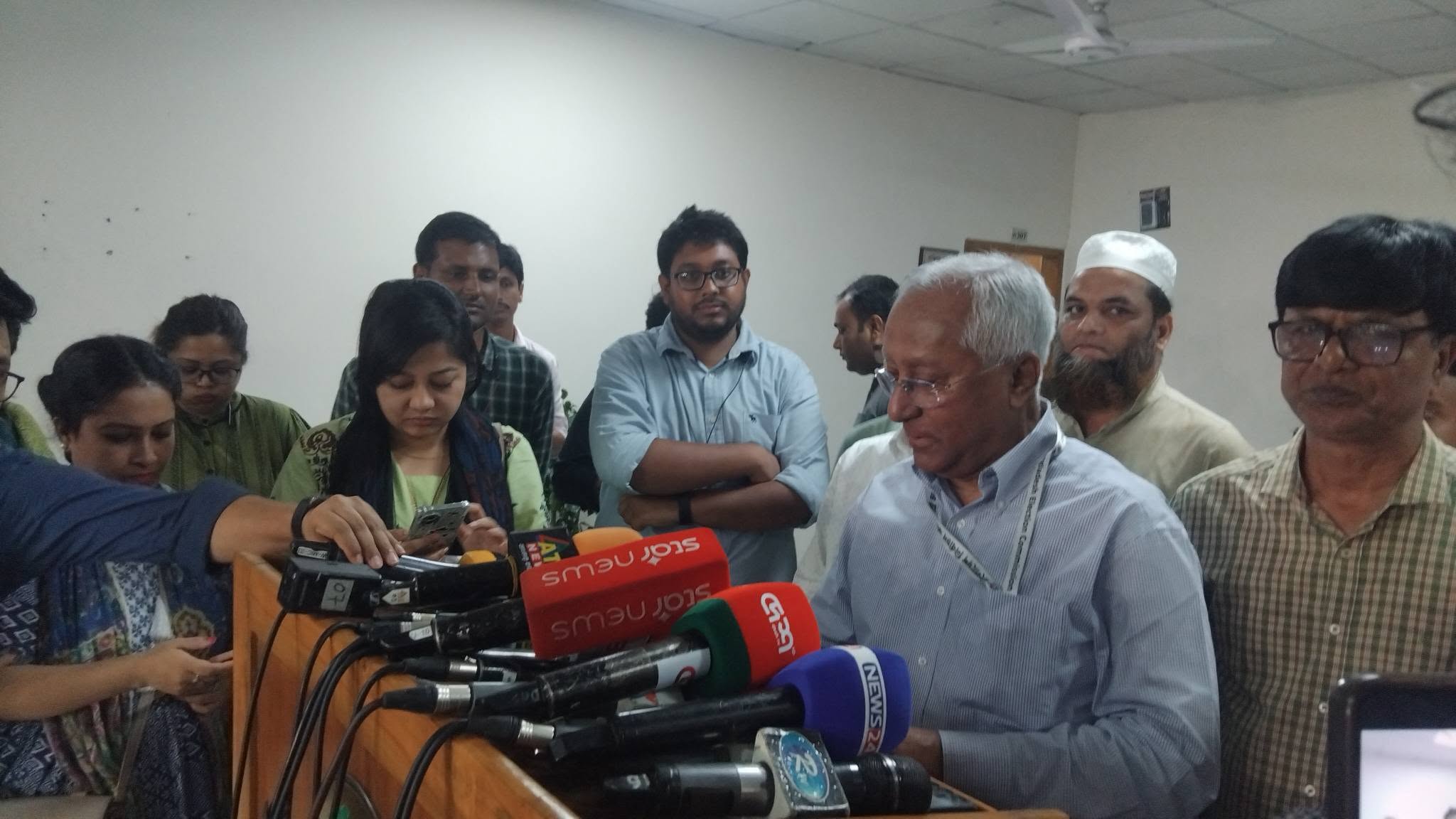
The recommendations will soon be sent to the Local Government Division, EC Senior Secretary Akhtar Ahmed told reporters after the commission’s 12th meeting at its headquarters in Agargaon yesterday.
The meeting began at 11:00am and ended at 5:30pm, with a one-hour lunch break.
“Law amendment is a legal matter. We will send our proposals to the Local Government Division. If they find them appropriate, they will act accordingly. Finalising laws is not within our jurisdiction,” Akhtar said.
He added that the recommendations would also guide revisions to the code of conduct for local government elections.
On including the armed forces in the definition of law enforcement agencies, he said the EC had decided to propose incorporating them into all local government election laws, as is already the case under the Representation of the People Order.
Asked when the election schedule would be announced, he said preparations were underway, and the public would be informed as soon as the schedule was finalised.
He said the meeting did not discuss whether elections would begin with union parishads or city corporations, and added that there had been no discussions with the government on the timing of the polls.
Asked why the EC was proposing changes to laws administered by the Local Government Division, Akhtar said the commission was only making recommendations.
“We felt from our side that recommendations could be made. Whether to accept them or not is the responsibility of the authority that has the jurisdiction,” he said.
Asked whether the recommendations might put the government under pressure to implement them, Akhtar said it would be up to the government to decide whether to accept them.
On the proposal to disqualify guarantors, he said loan defaulters are already ineligible to contest elections, and the EC now wants guarantors to be treated similarly.
He also said the EC would propose barring utility bill defaulters, including those with unpaid electricity and water bills, as well as land tax dues, from contesting local elections.
An EC official, speaking on condition of anonymity, said city corporation administrators would not be allowed to contest elections while in office and would have to resign before submitting nomination papers.
The official also said the EC would propose disqualifying individuals charge-sheeted by the International Crimes Tribunal from contesting local elections.
 For all latest news, follow The Daily Star's Google News channel.
Comments