


India’s govt tells parliament Hasina not allowed to use Indian soil for political activity
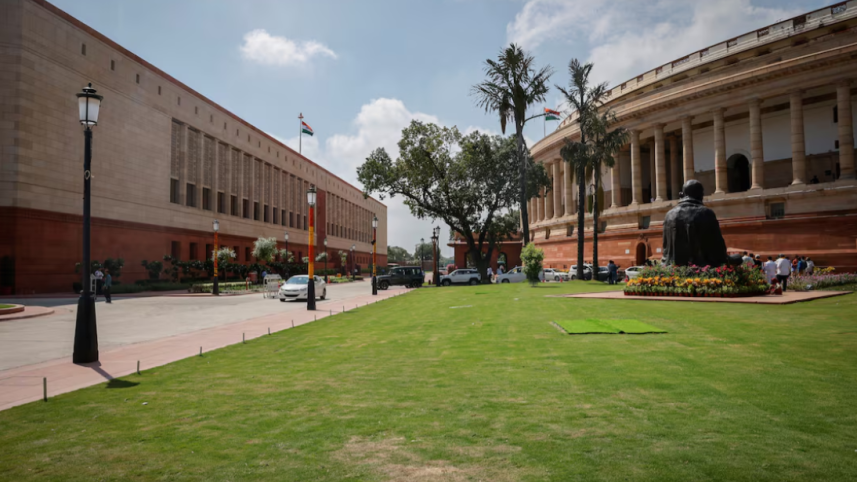
India has reiterated that Bangladesh’s ousted prime minister Sheikh Hasina has not been permitted to use Indian territory for any political activity, reaffirming its long-standing policy of not allowing its soil to be used for political activities directed against another country.
The position was outlined in the Indian government's response to the 9th report of the Parliamentary Standing Committee on External Affairs, which was tabled in the Lok Sabha yesterday.

The committee, chaired by Congress MP Shashi Tharoor, reviewed the future trajectory of India-Bangladesh relations and sought updates on a series of recommendations.
It states that India has consistently adhered to the principle of not allowing its territory to be used for political activities directed against another country, and that the same policy has been maintained in Hasina's case.
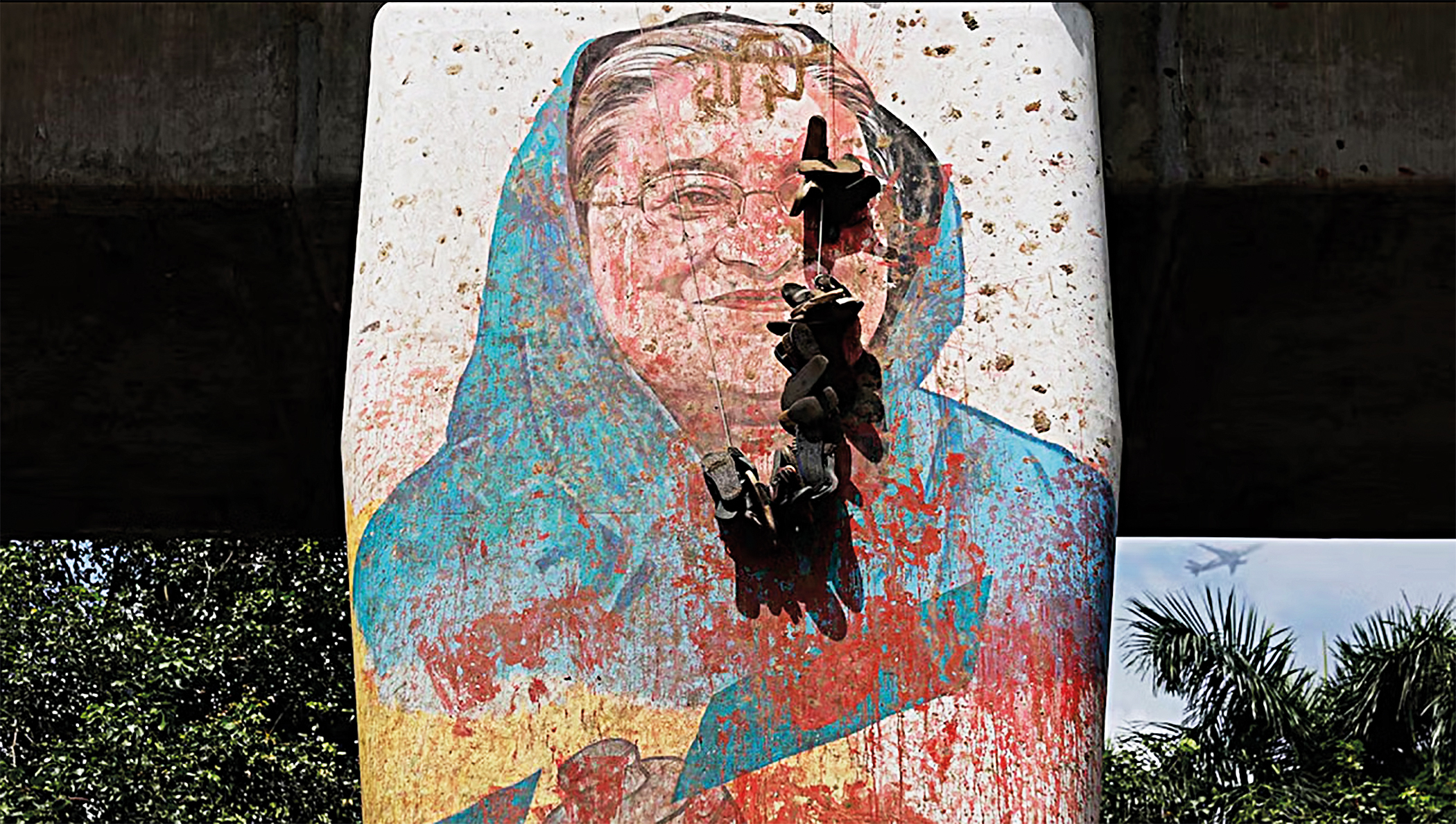
Hasina, who is currently in India, has been holding virtual discussions with party leaders. Statements are also being issued in her name, and she has given interviews to various media outlets.
The report also explains New Delhi's position on Hasina's continued stay in India.
It says providing refuge to individuals facing an imminent threat to life or extraordinary humanitarian circumstances is consistent with India's long-standing civilisational values and humanitarian traditions. It was on that basis, the government said, that Hasina was allowed to remain in India.
The Parliamentary Standing Committee recommended that the government continue to balance humanitarian considerations with international obligations, legal commitments and diplomatic sensitivities while dealing with such matters.
The Indian government's response also addressed Bangladesh's request for Hasina's extradition. It said the request is under consideration by the competent authorities and is being processed in accordance with the applicable legal framework, with no final decision having yet been taken.
The committee had sought clarification on the status of the extradition request following the pronouncement of a death sentence against Hasina in absentia.
As of July 31, 2026, New Delhi has made no fresh policy announcement on the extradition request. Diplomatic observers in the Indian capital and reports in sections of the Indian media suggested that the document tabled in parliament largely formalises the government's existing position rather than signalling any policy shift.
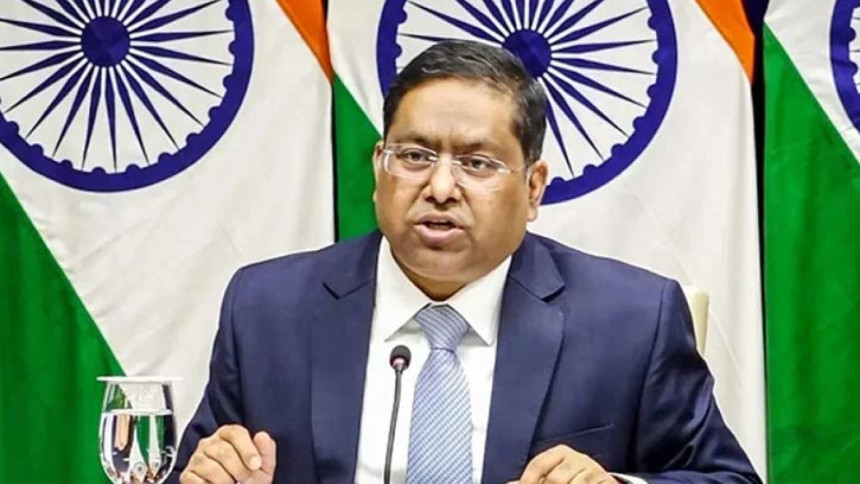
The report also echoes the position articulated earlier by India’s External Affairs Ministry Spokesperson Randhir Jaiswal, who had said at a regular media briefing that India had received Bangladesh's request and that it was being examined through the due legal process.
The parliamentary report represents the latest formal articulation of the Indian government's position on the matter.
 For all latest news, follow The Daily Star's Google News channel.
Comments