


Act before birth: The urgent need for early thalassaemia screening in Bangladesh
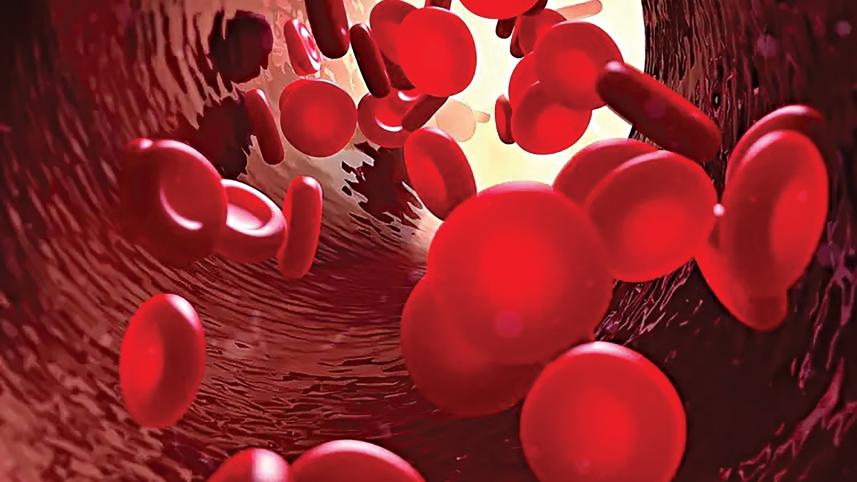
Thalassaemia is the most common inherited blood disorder in Bangladesh and poses a growing public health challenge. Studies estimate that 7–13% of the population carries a thalassaemia gene, with an average carrier rate of around 10%. Each year, nearly 14,000 affected children are born in the Bengali population, along with more than 1,500 in tribal communities. These numbers represent not only human suffering but also an enormous economic and healthcare burden.
Children with thalassaemia major require lifelong blood transfusions, often every two to four weeks, while nearly half of those with Hb E–beta thalassaemia also become transfusion-dependent. Treatment costs are very expensive, leaving many families unable to provide adequate care.

Treatment is not limited to regular blood transfusions and iron chelation therapy alone. Patients also require continuous monitoring through regular laboratory investigations, including complete blood counts. In addition, periodic assessment of vital organs—such as the liver, heart, and endocrine system—is essential. Over time, iron overload and disease-related complications can affect these organs, leading to serious conditions such as cardiac failure, diabetes mellitus, and growth retardation.
Approximately 60% of blood donations are spent on these patients. Moreover, the treatment cost of a thalassaemia patient ranges from 23 to 65 times more expensive than the cost of preventing the birth of a thalassaemic child.
Globally, many countries initially attempted to reduce thalassaemia by promoting carrier screening and discouraging marriages between carriers. However, these approaches proved insufficient, particularly in societies where marriage is deeply rooted in social, cultural, and family structures. Bangladesh faces similar challenges. Fear of social stigma often discourages young people from undergoing carrier testing before marriage. As a result, screening is more commonly accepted only after marriage or during pregnancy.
The real success in thalassaemia prevention has come from prenatal diagnosis, supported by national policies. Cyprus reduced thalassaemia births by nearly 96%. Iran achieved an 82.9% prevention rate after permitting abortion for severe genetic disorders before 16 weeks. Turkey, China, and Pakistan’s Punjab province have all reported dramatic declines following the introduction of government-supported prenatal diagnostic programmes. These examples clearly show that premarital screening alone is not enough.
Bangladesh urgently needs a national thalassaemia prevention programme. This should include public awareness campaigns, accessible carrier screening at government hospitals, and the establishment of regional DNA laboratories for prenatal diagnosis. Gynaecologists must be trained to recommend screening in early pregnancy and to collect samples for chorionic villus sampling or amniocentesis. Couples found to be carriers should receive proper counselling and diagnostic support.
From an Islamic perspective, most scholars permit abortion for severe genetic disorders like thalassaemia before 120 days of gestation. A fatwa issued by the Islamic Jurisprudence Council of the Muslim World League supports this position, provided there is medical confirmation and parental consent. Ultimately, the decision must rest with informed parents.
Currently, prenatal DNA testing in Bangladesh is mostly sought by families who already have a thalassaemic child. This reflects awareness born of hardship and underscores the need to reach couples earlier—before tragedy repeats itself.
Prevention is the only sustainable solution. By investing in awareness, screening, prenatal diagnosis, and professional training, Bangladesh can prevent thousands of avoidable births affected by thalassaemia. The time for decisive government action is now.
The writer is the former president of the Dhaka Shishu Hospital Thalassaemia Centre.
Email: waqarkind@gmail.com
 For all latest news, follow The Daily Star's Google News channel.
Comments