


How Europe absorbs, but can't direct global conflict

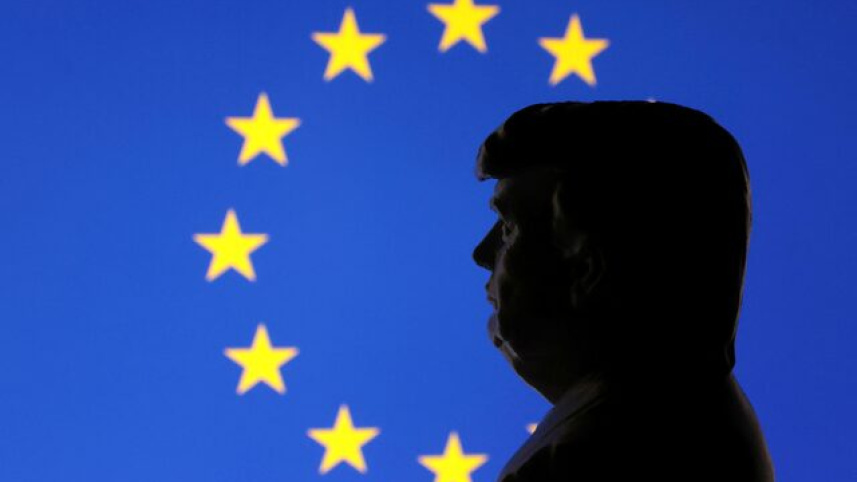
Europe has discovered something uncomfortable in this war: it is important enough to feel every shock -- skyrocketing energy prices, drones buzzing over military bases, and mounting migration pressures -- but not important enough to call the shots. That is the paradox at the heart of its predicament.
The United States and Israel make the decisive moves; Europe issues statements urging restraint and respect for international law. It is a familiar choreography. We have seen it before: during the Balkan wars of the 1990s, when Europe’s inability to halt bloodshed on its own doorstep laid bare its reliance on American military intervention.

A continent built on rules, diplomacy, and multilateral frameworks finds that in the face of rapid strikes and retaliatory campaigns, those instruments can begin to feel ornamental -- polished, visible, even admirable, yet peripheral when events move at the speed of missiles.
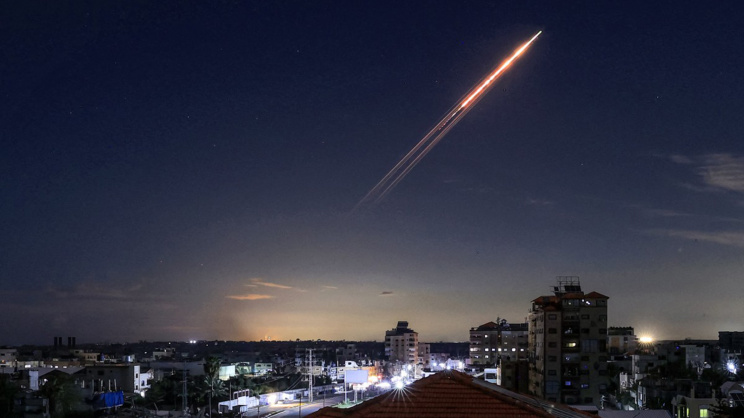
The gap between ambition and influence has rarely been more visible. Energy markets fluctuate violently, shipping routes through the Strait of Hormuz grow perilous, and naval bases brace for the unpredictable. Europe’s dependence on Gulf energy inevitably recalls the 1973 oil crisis, when external shocks rattled domestic politics and forced strategic recalibration. Once again, statements, communiqués, and emergency conferences are deployed with meticulous care. Yet the escalation ladder is climbed elsewhere. Norms and procedures matter, but in the theatre of hypersonic weapons and compressed escalation timelines, they regulate consequences more than they shape decisions.
Europe’s internal diversity complicates matters further. Spain refuses to allow US forces to use its territory for operations it considers illegitimate. France, Germany, and the United Kingdom condemn Iranian retaliation and pledge to protect European interests, though without endorsing the original strikes. At first glance, this appears fractured. But this is less confusion than structure: a union of sovereign states cannot move with the velocity of a single command authority.

The echoes of Iraq in 2003, when Europe split between supporters and opponents of US action, still reverberate. Go back further and the Suez Crisis of 1956 stands as an even starker reminder: Britain and France, despite military ambition, were forced to retreat under US and Soviet pressure. The Libya intervention in 2011 reinforced the same dynamic: European air forces led the campaign, yet depended heavily on US intelligence, logistics, and munitions. Each crisis reveals the structural pattern -- Europe can mobilise resources, but it cannot independently command escalation.
Dependence on the United States remains the decisive constraint. NATO is still the backbone of European security, particularly for Eastern Europe. To diverge too sharply risks undermining collective guarantees; to align too closely risks domestic backlash. Strategic autonomy -- championed most forcefully by France since Charles de Gaulle -- remains aspirational rather than operational. The rules-based order Europe champions has always rested on American hard power; without it, the limits become visible.
And then there is the burden of overlapping crises. The war in Ukraine has already consumed attention, resources, and political bandwidth. An escalation in the Middle East stretches capacity further. Russia benefits from the diversion of global focus. China positions itself as a critic of unilateralism, subtly highlighting Europe’s cautious posture as weakness. Europe’s moral authority is visible, but authority alone does not determine outcomes. Geography, alliances, and timing impose hard limits.
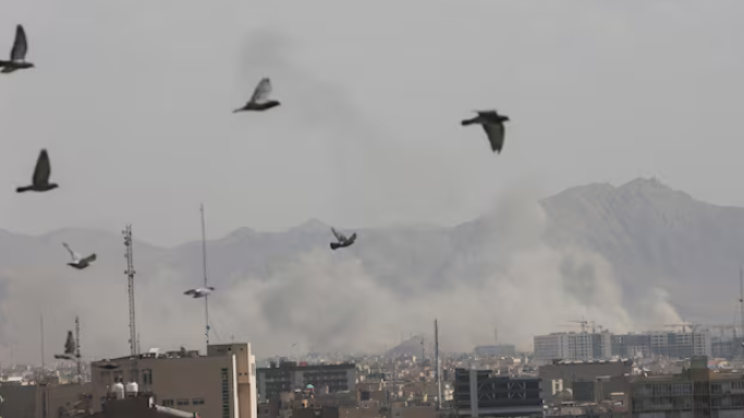
Economic exposure sharpens the stakes. Disruptions in energy supply and shipping routes push up prices and inflation, triggering immediate domestic consequences. Memories of Iraq, Libya, and Syria temper public appetite for new interventions. Migration risks from a destabilised Iran add yet another layer of urgency. The refugee influx following the Syrian civil war remains a vivid example of how distant conflicts can reshape European politics and energise populist movements. Influence without decision-making authority becomes a permanent balancing act.
To be fair, Europe’s normative ambitions are neither hollow nor naive. Diplomatic coordination, sanctions, and humanitarian initiatives do matter. They shape incentives, constrain actors, and soften the human toll. But they rarely dictate the direction of events when hard power sets the tempo. Ambiguity in policy is not weakness; it reflects the tension between principles and survival. Defensive measures, logistical coordination, and quiet mediation stabilise the system, but they do not redefine it.
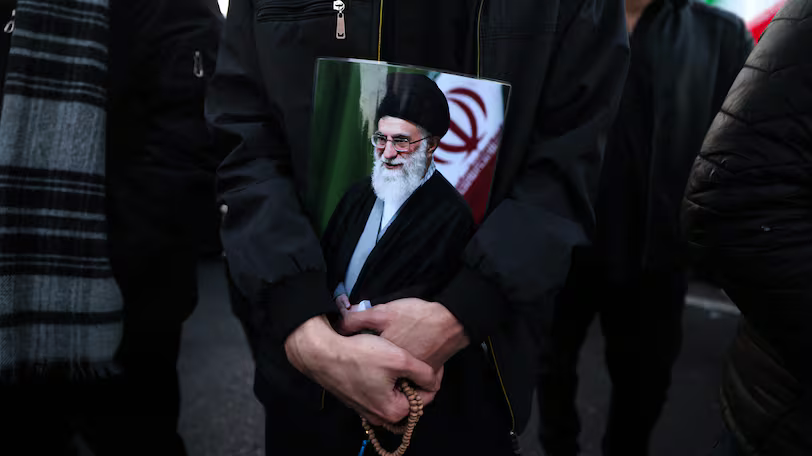
The current crisis forces a sobering question: what does influence mean if it cannot translate into authority? Europe can shape consequences, mitigate fallout, and advocate for restraint. But the rhythm of the conflict is determined elsewhere. Presence in every effect of the war contrasts sharply with absence from the decisions that generate those effects. That contrast exposes a deeper truth about the contemporary order: power remains concentrated in actors willing and able to escalate.
Ultimately, Europe cushions rather than commands. Reflection and prudence guide its action, and perhaps rightly so. But in a theatre defined by missiles, deterrence, and unilateral strikes, influence often arrives after the fact. Europe remains present in every consequence of the conflict -- economic, political, social -- yet largely absent from the decisions that shape it.
In a world increasingly shaped by unilateral decisions and rapid escalation, even the most carefully constructed system of influence can find itself watching from the sidelines. Engaged, affected, articulate, but ultimately a spectator to the hardest moves of power. Europe’s predicament is not temporary hesitation; it is structural dependence revealed under stress.
 For all latest news, follow The Daily Star's Google News channel.
Comments