


Iraq, Libya, and now Iran?

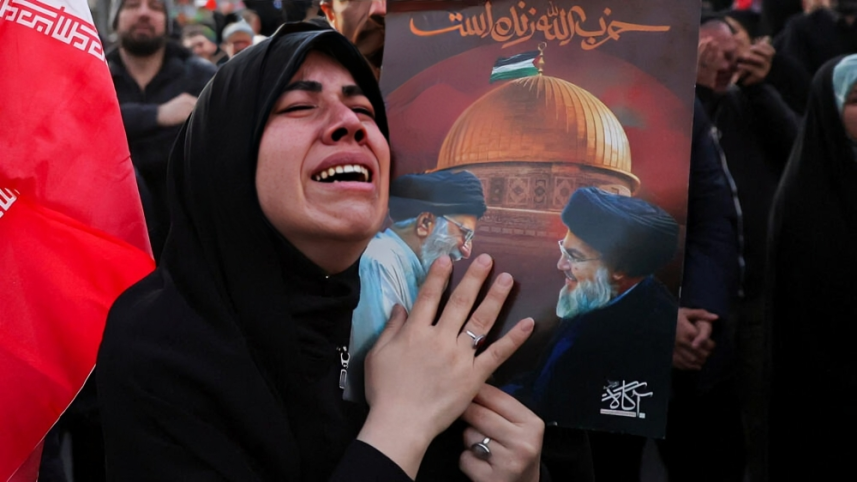
Some wars erupt from unavoidable necessity. Others are chosen -- launched in the belief that force will produce quick, decisive results. The United States and Israel’s attack on Iran belongs unmistakably to the second category. This was not a defensive response to an imminent threat, nor a reluctant engagement after all diplomatic options were exhausted. It was an unprovoked offensive, one that erupted even as serious US‑Iran talks appeared to be making progress.
In the weeks leading up to the assault, envoys from Washington and Tehran engaged in indirect negotiations in Geneva and Oman, mediated by the Sultanate of Oman. Diplomats publicly spoke of “significant progress” over nuclear constraints, sanctions relief, and confidence‑building measures. Iran’s foreign minister indicated that a framework for easing tensions was in view, with technical talks slated to resume. Yet just as negotiators were preparing to reconvene, missiles and drones were already arcing across the Gulf.

This contradiction cannot be ignored. In fact, the diplomatic talks, portrayed as a pathway to de-escalation, appear to have served as a smokescreen: a way to buy time, manage public narratives of provocation, and cloak preparations for a military offensive that, in effect, targeted the very foundation of Iran’s leadership.
And what a striking target it was. Ayatollah Ali Khamenei was not merely a figurehead. For 36 years, he stood at the apex of the Islamic Republic -- the central pillar around which religious authority, state power, and military command revolved. The strikes that killed him were one of the most disruptive blows ever delivered to a national leadership. This was not a simple decapitation of a military commander. It was an attack on the legitimacy of an entire political system.
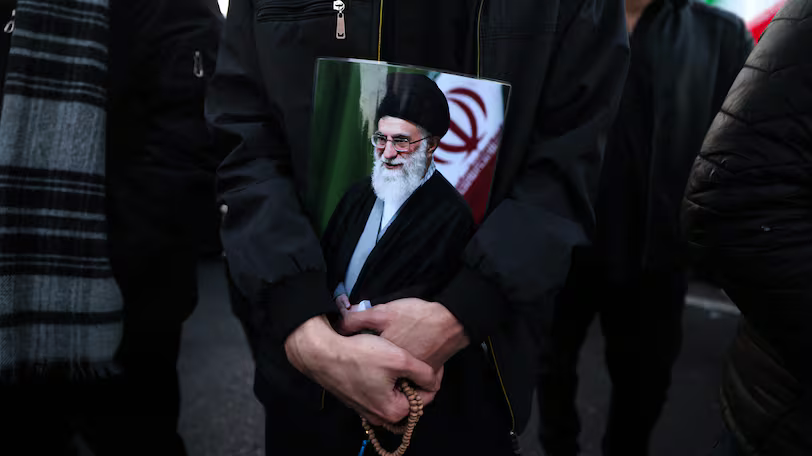
That this assault happened while diplomacy was ostensibly underway should stop any sober observer in their tracks. It is one thing to prepare for war when negotiations have collapsed; it is quite another to unleash bombs while diplomats still talk.
US President Donald Trump did not hide the intent behind the rhetoric. On social media he declared: “Khamenei, one of the most evil people in history, is dead. This is not only justice for the people of Iran but for all Great Americans… This is the single greatest chance for the Iranian people to take back their country.” Both Trump and Benjamin Netanyahu have also urged Iran’s population -- around 60% of whom are under 30 -- to rise up and overthrow the regime once US‑Israeli operations have crippled it.
Such rhetoric may resonate with those who despised Khamenei’s rule, but it also reveals the moral and political framing that drove this offensive. It was quite evidently targeted towards regime change in Iran.
To understand why this matters, we must look back. In January 2020, a US drone strike killed Qasem Soleimani, commander of the Islamic Revolutionary Guard Corps’ Quds Force. Iran responded with missile strikes on US bases in Iraq, and escalation was averted only through restraint on both sides. In 2025, limited strikes on nuclear facilities and regional skirmishes had heightened tensions, but these were contained. Lessons from these episodes about thresholds and restraint were ignored this time.
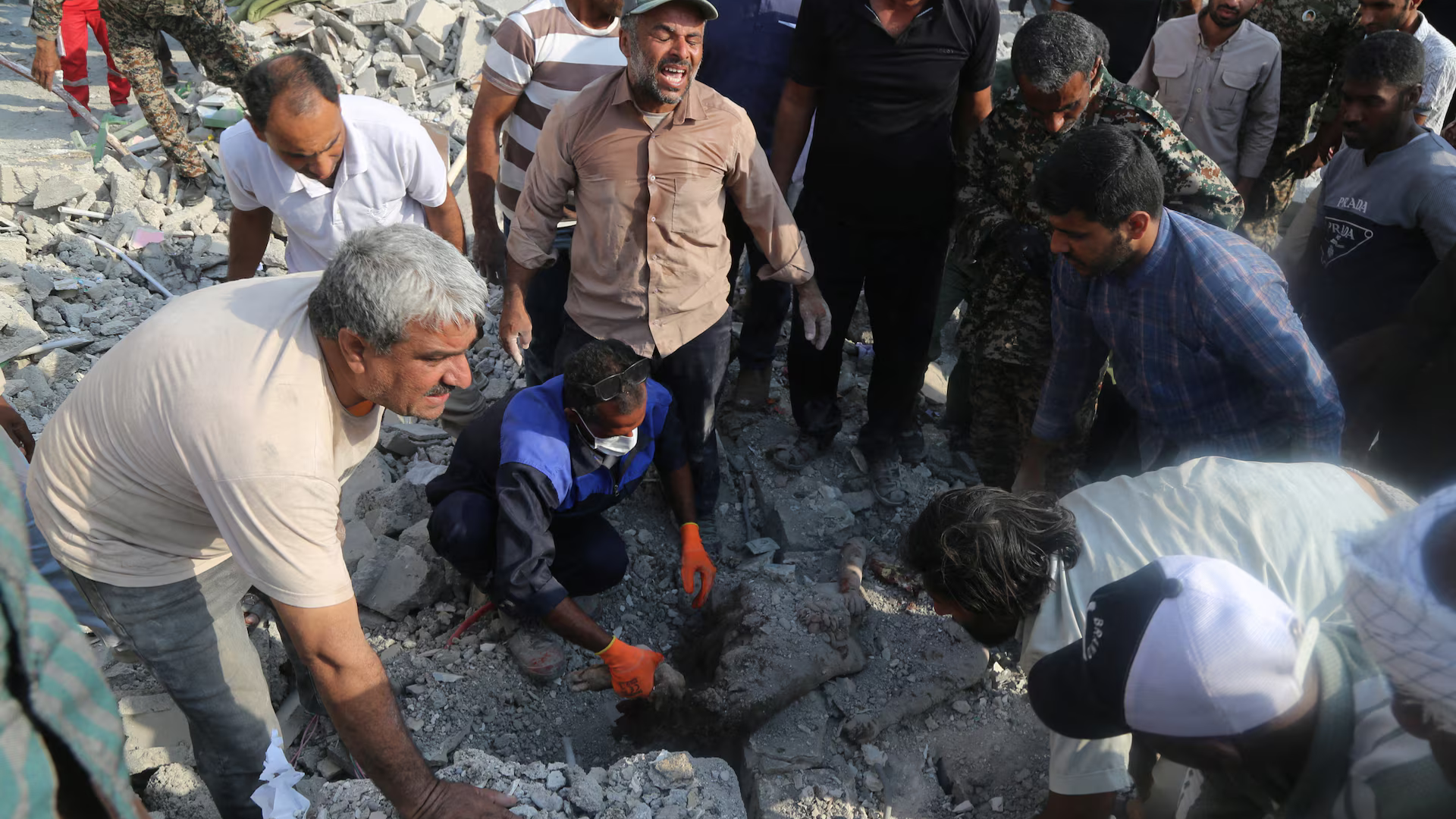
If we look back at history, removing authoritarian leaders by force has rarely produced stable, pro-Western democracies. Iraq after 2003, Libya after 2011, and Afghanistan after the US intervention demonstrate that external strikes often deepen instability rather than achieve transformative political outcomes.
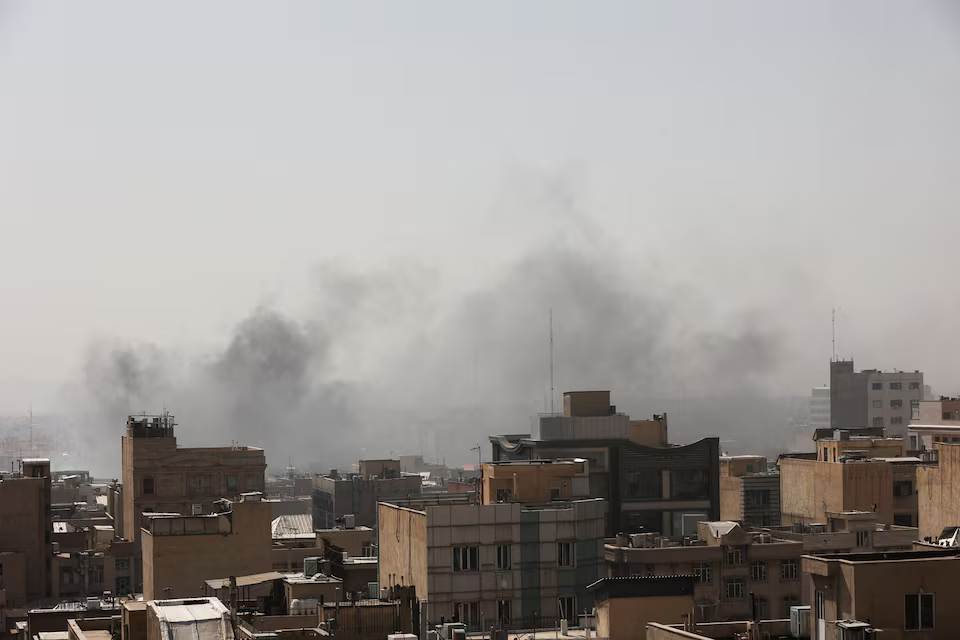
Now, with Khamenei gone, other key leaders lost, and hundreds of civilians dead, what comes next is far less predictable. Iran is not a minor power that can be subdued through air strikes alone. It is a nation of more than 90 million, with a deeply institutionalised security apparatus shaped by decades of war, sanctions, and economic hardship. Its military doctrine emphasises asymmetric capabilities: ballistic missiles, drones, cyber warfare, naval disruption, and a network of allied non‑state actors provide multiple avenues of retaliation even if central command structures are weakened. Conflict under such conditions spreads horizontally rather than concentrating in one theatre. Missiles and drones continue to strike at countries hosting US forces across the Gulf.
Internally, Iran faces a leadership vacuum at the worst possible moment. According to the constitution, the Assembly of Experts must choose the next supreme leader. An interim council, including the president, the head of the judiciary, and a Guardian Council jurist, is in place. But wartime conditions make consensus fragile. Power struggles, factional rivalries, and hardliner pressure could reshape the political order from within, possibly in even more authoritarian directions. Foreign bombs cannot manage such transitions with precision.
Expectations that external force might spark democratic transformation are dangerously naive. Populations under attack often rally around national identity, even when they resent their governments. Opposition figures risk being branded collaborators. Real reform movements are crushed beneath the weight of war and recrimination.
The human cost will be measured long after the headlines fade. Missile barrages and drone strikes disrupt electricity, water, healthcare, infrastructure, and supply chains. Civilians -- women, children, and the elderly -- will bear the brunt. Thousands may be displaced, adding to refugee flows that destabilise neighbouring states. Economic collapse or meltdown often spills over the borders and the shockwaves of this war will be felt far beyond Tehran.
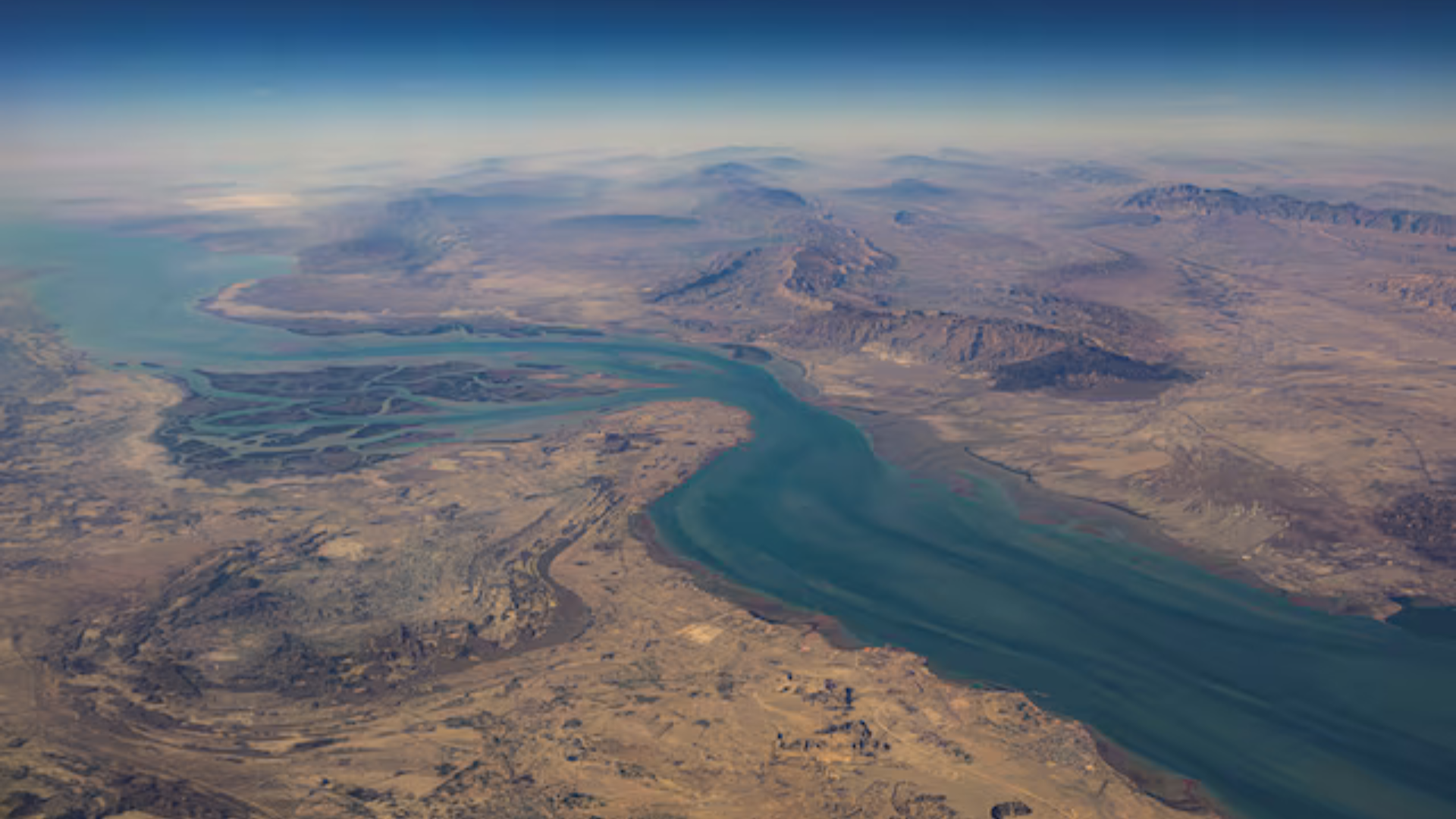
The economic stakes are staggering. Iran sits astride critical energy corridors. Instability in the Gulf threatens the Strait of Hormuz, through which a substantial portion of the world’s oil and liquefied natural gas flows. Even limited disruption could send prices soaring, fuelling inflation and exacerbating cost‑of‑living crises worldwide. Energy markets are globalised; crises in one region become shocks everywhere.
Internationally, China, Russia, and regional powers will not sit idly. Even if they avoid military intervention, their diplomatic backing, economic support, and strategic manoeuvring could prolong this conflict for years. What began as a US‑Israeli strike risks evolving into a wider proxy arena, in which great powers exert influence through indirect means rather than diplomacy.
 For all latest news, follow The Daily Star's Google News channel.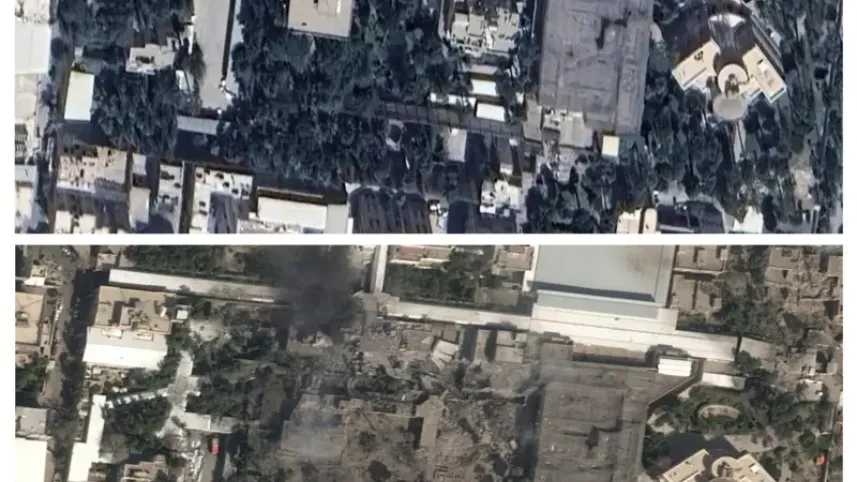
Even if the strikes succeed tactically -- eliminating senior officials, degrading infrastructure, demonstrating overwhelming force -- strategic success is far from guaranteed. The weakening of a central government in a country of Iran’s size and complexity could result in militarised authoritarianism, internal fragmentation, prolonged instability, or cycles of reprisals that redraw regional alliances. None of these outcomes promises security; many make the world more dangerous, not safer.
Perhaps the most sobering fact is how foreseeable many of these dangers were. Analysts long warned that direct confrontation with Iran would be extraordinarily difficult to contain, given the region’s interconnected conflicts. Escalation in one arena reverberates across others, drawing in actors not party to the initial decision to use force.
None of this absolves Tehran of responsibility for its destabilising actions. Iran’s support for armed groups in Lebanon, Iraq, Yemen, and elsewhere has contributed to regional insecurity. But acknowledging these realities does not make an unprovoked military assault -- conducted while diplomacy was still in motion -- any less reckless or less consequential.
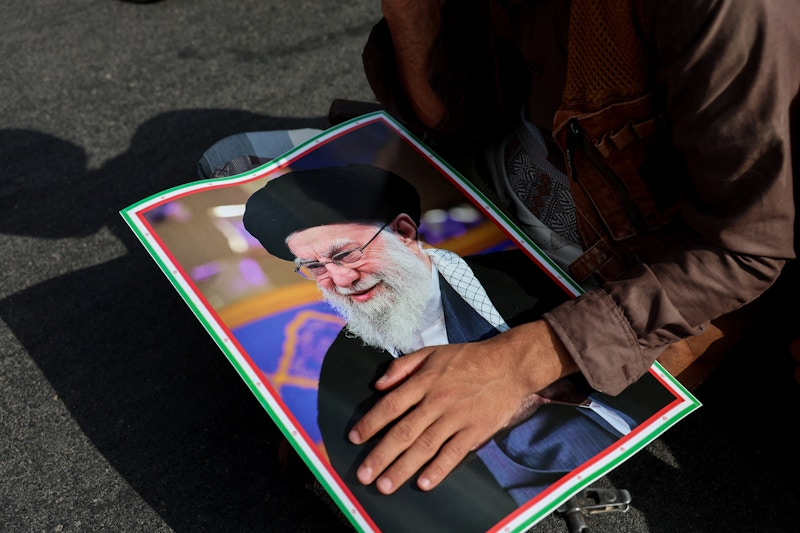
We are left with a stark reality: this war has not ended with Khamenei’s death. It has crossed the point of no return. It has entered a volatile phase defined by uncertainty, fear, and the terrifying possibility of miscalculation on a scale that could reshape the Middle East for generations.
The true cost will not be measured solely in destroyed facilities or military casualties. It will be counted in shattered lives, economic upheaval, regional instability, damaged international norms, and the quiet, cumulative suffering of civilians whose futures were shaped by decisions made far above them.
This war did not have to happen. Now that it has, it may not be possible to contain.
Comments