


Bangladesh is not behind in coffee; it is starting fresh
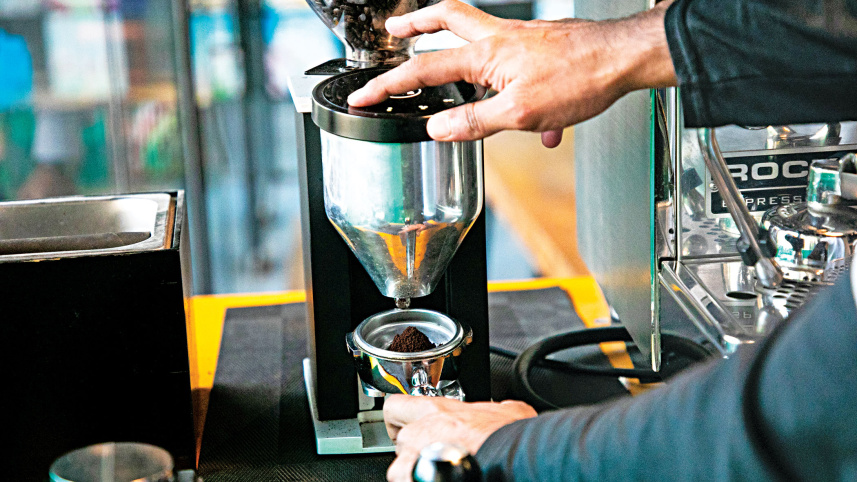
I arrived in Dhaka on April 1st this year, my second visit to the city, and once again not entirely sure what to expect. Dhaka hits different. But by April 8th, I left with a clear sense that Bangladesh is not behind in coffee.
Bangladesh has always been a tea-loving country -- a preference shaped by history and habit. But in Dhaka, a small and growing group of people is starting to explore coffee, not as a daily necessity, but as something to enjoy, to experiment with, and to understand. They care about flavour, origin, and brewing. It is still a niche, but it is coming alive.


What stood out to me is that this culture is not burdened by decades of preconceived taste. In many Western countries, we have been conditioned to accept a certain flavour profile as normal. In Bangladesh, that conditioning is largely absent. Taste is still open, still curious, still being formed. That is a rare and highly interesting starting point.
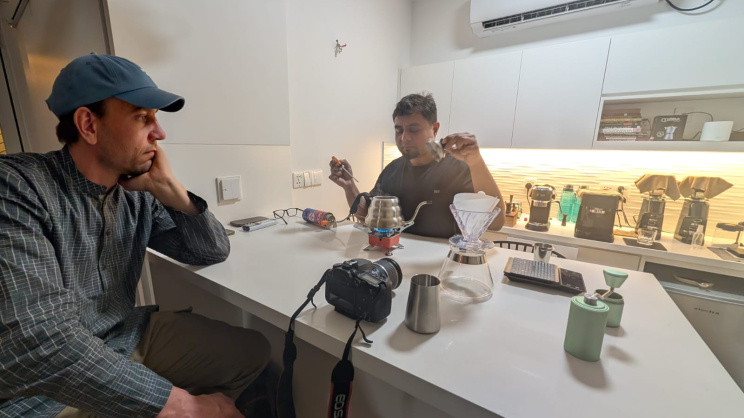
During my visit, I worked with Udoy Coffee as part of a project with PUM Netherlands, a Dutch NGO supported by the Ministry of Foreign Affairs. The focus was on improving coffee quality through roasting and cupping, and on discovering business opportunities in the local market. We adjusted roast profiles, improved roast times, and reduced overall production flow to increase efficiency and consistency.
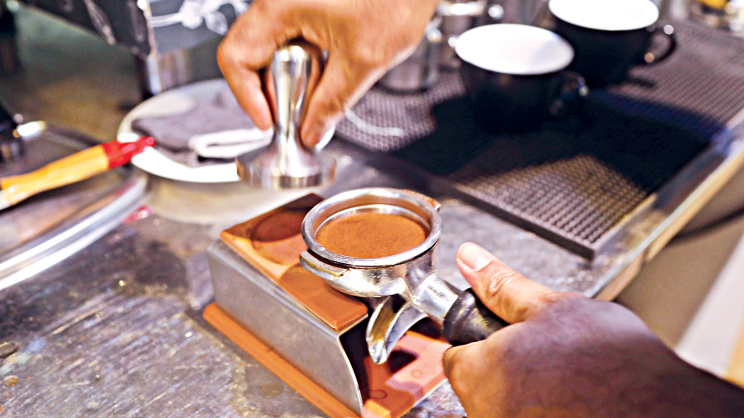
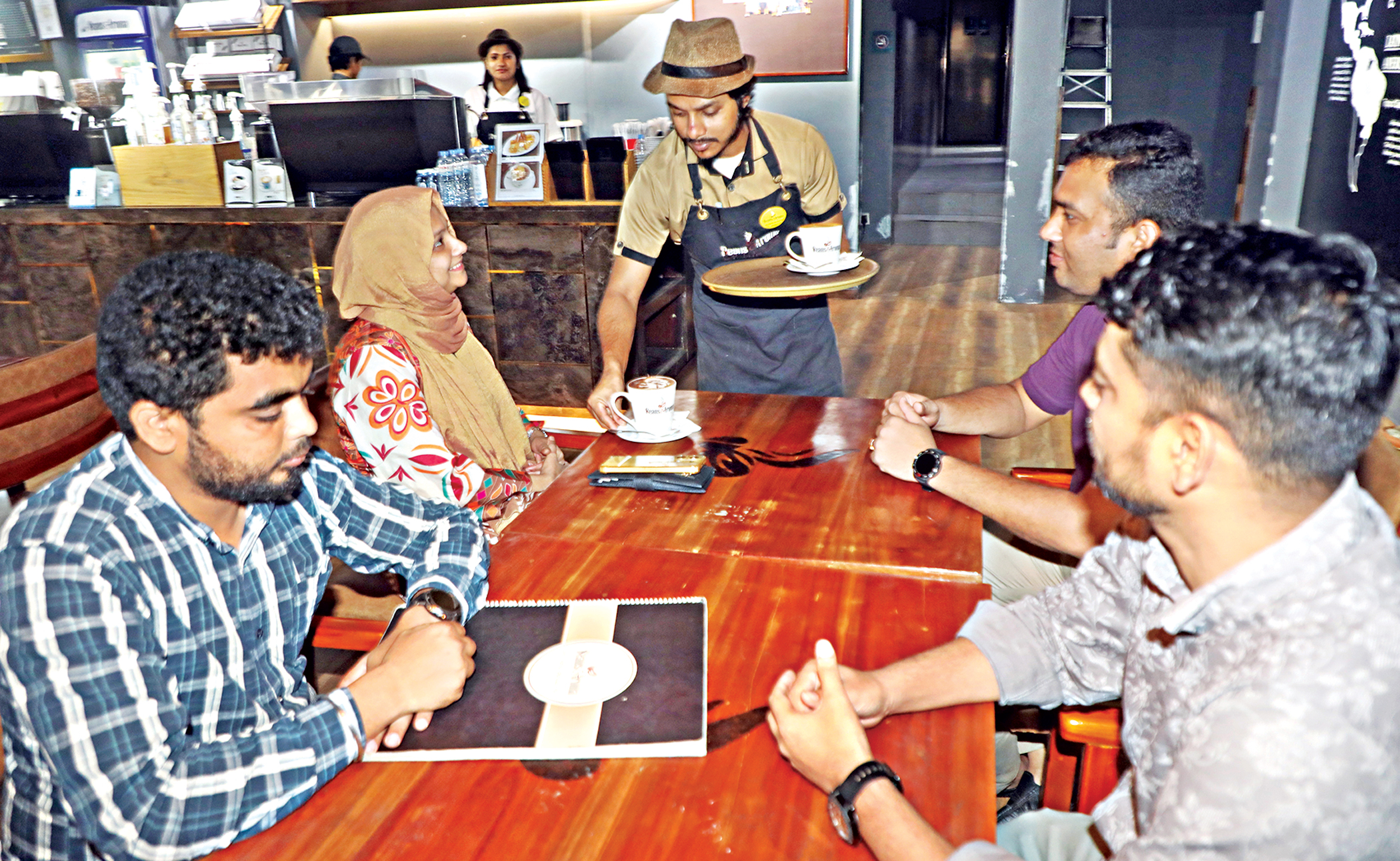
But the real value of the week was not technical; it was cultural and human. We met café owners, roasters, and coffee enthusiasts who are building something from the ground up. Places like North End, Gloria Jean’s, Java House, and Udoy Coffee each have their own approach. Although the market is not yet mature, it is moving.
At the same time, there is a clear tension between local production and imports. Bangladesh produces only a very small amount of coffee, estimated at around 60 tons per year, likely even less in practice. That is insignificant compared to the size of the population and the growing interest in coffee.
As a comparison, the Dutch are known for their high coffee consumption of 8.2 kg per capita per year. This results in a total domestic consumption of 147,600,000 kg of coffee, all of which is imported, as coffee cannot be grown domestically.
Most coffee in Bangladesh is imported, often through hubs like Singapore. Import taxes can reach up to 60 percent, which makes coffee significantly more expensive. What could be an accessible daily product thus becomes a luxury.
This raises an important question: what if coffee were treated differently? Coffee does not create social harm. It is a social drink, a productivity driver, and a catalyst for connection and interaction. Lowering import tariffs could make coffee more accessible, which would likely increase consumption, stimulate the local economy, and potentially even increase total government tax revenue through higher import volumes.
At the same time, there is clear potential for local coffee production. Bangladesh has the land and the conditions, but there is a lack of technical knowledge, especially around processing. This is where collaboration between farmers, government, and agricultural institutions could make a real difference.
Another interesting observation is the role of instant coffee. It is still dominant and perceived as cheap. But when you break it down, the difference is smaller than expected. A cup of instant coffee costs roughly between 11 and 22 taka, while a cup of freshly brewed coffee ranges from 24 to 36 taka. For a relatively small difference in price, the experience changes completely.
With simple tools like a French press, people can access better flavour, more variety, and a more enjoyable ritual. This is not about making coffee exclusive, but rather about making quality more accessible.
Bangladesh is at an early stage, and that is exactly its strength. There is space to shape the culture, to build systems that work, and to create a coffee scene that reflects the people who are part of it.
The writer represents PUM Netherlands and Ikigai Coffee.
 For all latest news, follow The Daily Star's Google News channel.
Comments