


From weddings to warmth: Saimul Karim’s interior design shift
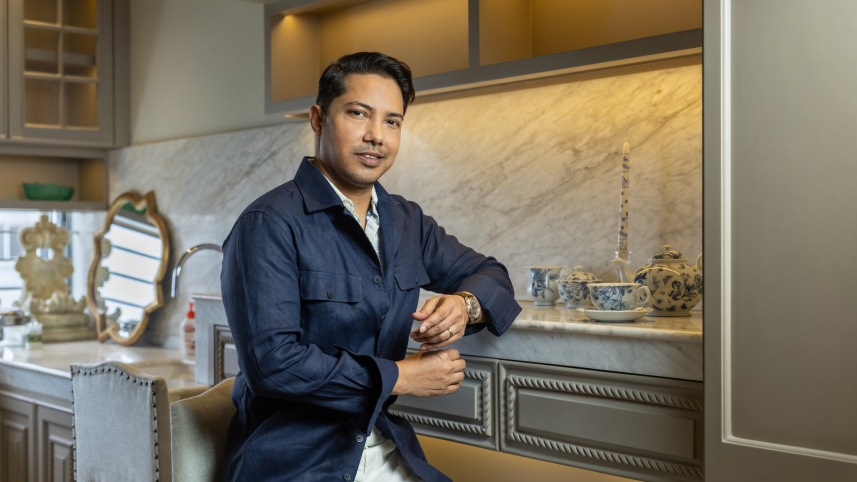
For years, Saimul Karim worked in spaces designed to disappear. The wedding stages would be dismantled by morning, and the floral installations existed for a few hours only. Yet, despite their temporary nature, Karim noticed something lasting about them, that people remembered how those spaces made them feel.
That realisation eventually pushed him towards a new direction. Through Eskay Decor’s newest venture into interior design and furniture, Karim is now working with permanence instead of performance. The shift from event décor to home interiors may seem dramatic on paper, but at its core, his philosophy remains surprisingly similar.

“Event décor taught me how deeply spaces can affect emotions,” Karim says. “A wedding or celebration lasts for a day, but the feeling it creates stays with people forever. Over time, I became fascinated by creating that same emotional connection more permanently through homes and interiors.”
From celebration spaces to living spaces
Karim describes the transition as a move from creating moments to shaping routines. Event décor, by nature, depends on visual immediacy. It is designed to impress quickly through scale, lighting, colour, and drama. Interior design demands almost the opposite. Instead of spectacle, it requires patience, functionality, emotional balance, and longevity.
“They are very different in rhythm and responsibility,” Karim explains. “Event décor is emotionally intense and designed to create an immediate impression. But a home has to continue feeling comforting and functional every single day.”
That difference has significantly shaped the way he now approaches space.
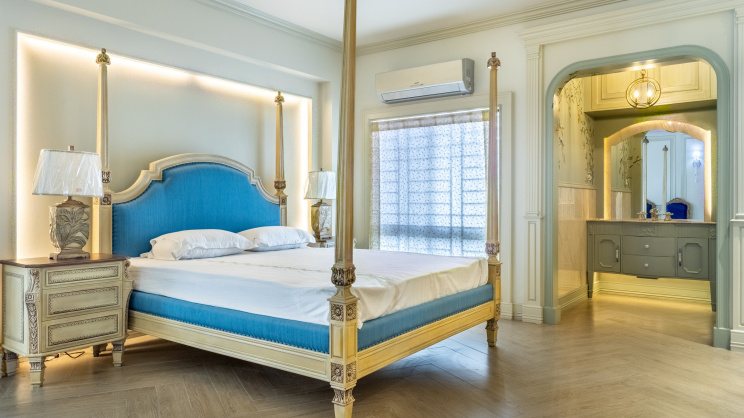
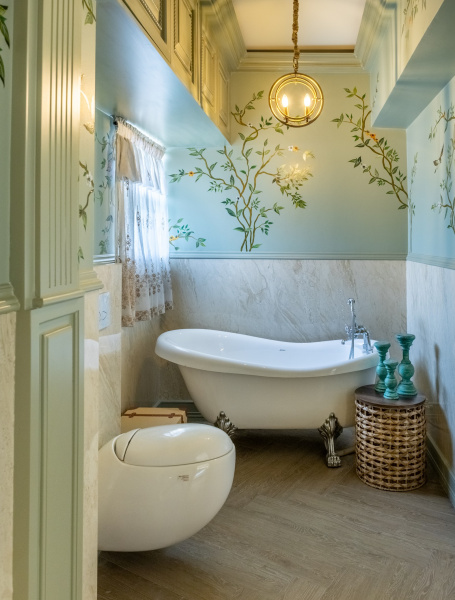
This thinking is visible across his recent projects. The interiors under Eskay Decor avoid excessive styling or overly performative luxury. Instead, the spaces feel layered, soft, and intentionally calm.
Designing for emotional comfort
One of the most noticeable aspects of Karim’s work is restraint. Warm whites, muted greys, beige tones, soft wood finishes, textured upholstery, and understated lighting dominate the homes he designs. Even when accent colours appear, they are carefully controlled rather than overwhelming. In one recent project, mustard-yellow chairs introduced warmth to an otherwise neutral dining space without disrupting the room's calm.
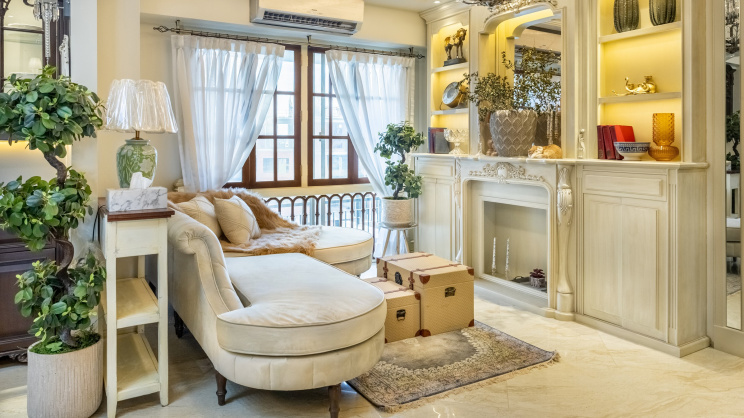
“The intention was to create quiet sophistication,” Karim explains. “I didn’t want the space to feel visually loud or overly styled. The colours were chosen to create warmth, softness, and emotional grounding.”
This approach reflects a larger rejection of showroom-like perfection. Many contemporary interiors, especially those shaped heavily by social media trends, prioritise visual impact over emotional experience. Karim consciously moves away from that.
“Sometimes spaces become so focused on perfection that they lose warmth and personality,” he says. “For me, true luxury is not about everything looking untouched. It’s about creating a home where people can genuinely relax and feel emotionally safe.”
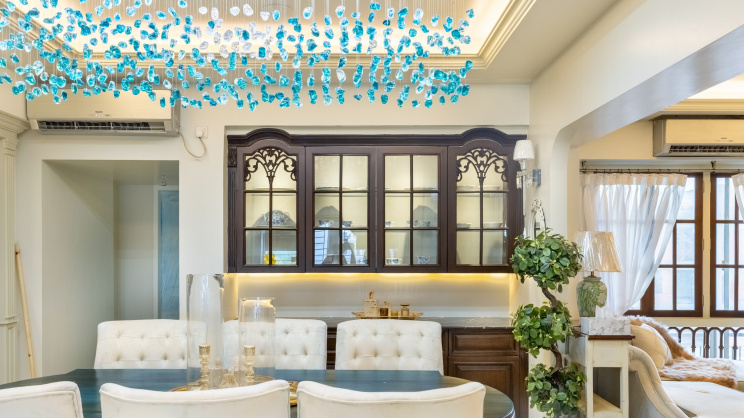
That idea of “lived-in elegance” has become central to Eskay Decor’s interior identity. Rather than creating spaces that look staged for photographs, Karim wants homes to feel as though they have naturally evolved.
“I wanted the interiors to carry softness, memory, and comfort,” he says. “Almost like the home grew into itself gradually.”
Designing spaces that stay
 For all latest news, follow The Daily Star's Google News channel.
 Perhaps what makes Eskay Decor’s new direction particularly interesting is that Karim is no longer designing for a single event or fleeting reaction. He is designing for repetition — the kind that defines real life.
“I want to explore a design language that feels emotional, timeless, and culturally rooted,” he shares. “I’m interested in blending contemporary minimalism with Bengali textures, craftsmanship, and storytelling.”
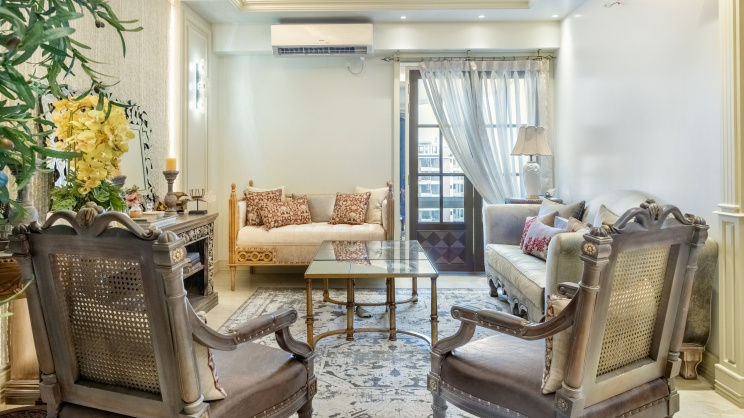
When entering a client’s home for the first time, he focuses less on aesthetics and more on behaviour. He studies routines, movement, personality, and emotional energy within the household.
“I try to understand their lifestyle before their aesthetic,” he explains. “Some people need calmness and simplicity. Others want warmth, creativity, or social energy. A home should support the personality and routine of the people living there.”
And maybe that is the biggest difference between event décor and interior design. One creates moments people remember. The other creates spaces people return to every day.
Comments