


Home, through the lens of a photographer

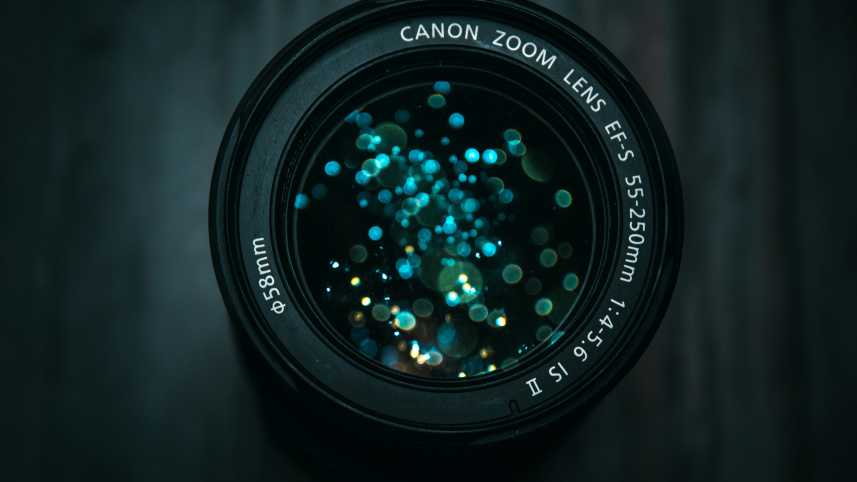
Home means something different to everyone. This World Photography Day, six amateur photographers turn their lenses towards the places, people, and fleeting moments that make a house feel like home.
Photography is an act of preservation against the relentless tide of change. We photograph home because we know that the version of home we inhabit today will not stay the same forever.

For Tajrian Akther, a Bangladeshi engineer residing in Australia, the camera is a tool to document the invisible threads that tie a family together. To her, home is found in the rhythmic buzz of a kitchen or the shared warmth of a meal. Distance has a way of turning ordinary moments into treasures.
"I wish I had taken a photo of our family on Ramadhan during the iftar time," Tajrian reflects. "At the time, it felt like an ordinary evening. Now, I realise those everyday moments were the ones worth capturing. A single photograph could never hold all the noise, warmth, and love of those evenings, but I still wish I had one."
In this way, for a home, photographs are a way of holding on to feelings that might otherwise fade. She notes that she has never regretted taking a photo, only that she didn't take more.
For Nafis Jalil, a geological engineer whose work takes him across the globe, the definition of home is far more fluid. His lens does not just document the earth’s crust; it searches for the texture of existence.
"Home is a shifting thing for me," Nafis contemplates. While technically it is Bangladesh, he finds that he wishes he had captured the messy, crowded reality of family gatherings more than any landmark.
Nafis observes a poignant truth about the medium: "The photos I took 20 years ago have not changed; the people in them have." To him, photography is the accidental preservation of people who are no longer here.
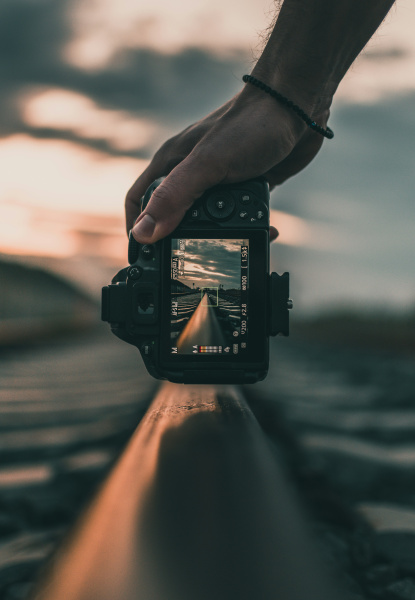
Expanding the lens reveals that home is often found in the most specific and fleeting details. Sanjana Ahmed, a professional architect documenting the changing skyline of Dhaka, has her home found in the shadows.
"I photograph the specific way the morning sun hits my mother’s prayer mat," Sanjana shares. "As high-rises go up around us, the light in our old house is changing. When the light is gone, that version of my home will only exist in my camera roll."
For Raja Biswas, a retired civil servant, home is the evidence of growth. "I find myself photographing the jackfruit tree in my yard," he smiles. "I know that eventually, this plot will be turned into an apartment block, and the tree will be gone. In my photographs, however, it is always harvest season, and the leaves are always green.”
Ishrak Zobayer, a second-year university student, finds that home is best captured in the quiet aftermath of a gathering. He often points his lens at the messy dining table once the guests have left. "I photograph the half-empty tea cups and the scattered crumbs because they are the physical evidence that we belonged to each other for a few hours," Ishrak shares. To him, these unpolished frames preserve the warmth of a conversation long after the room has gone silent.
Ultimately, we do not photograph houses. We photograph our place within them. Every picture reminds us that every time we press the shutter, we are announcing, "I was here, and this mattered." Whether it is a buzzing Iftar or a lonely sunset, these images are the bricks we use to build a home that we can carry with us, wherever we go.
 For all latest news, follow The Daily Star's Google News channel.
Comments