


How should parents react to their child's O’Level results
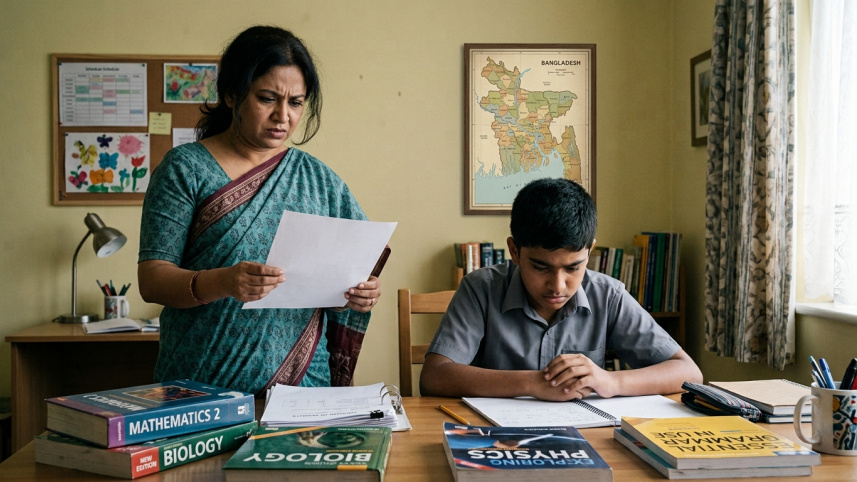
Ordinary Level results can feel like a verdict. For students, months of studying, late nights and exam anxiety come down to a few letters and numbers on a result sheet. For parents, those grades can bring relief, pride or disappointment. But whatever the result says, the way parents react can matter more than the result itself.
A disappointing result does not mean a child has failed at life. Yet, some parents react as if it does. Shouting, comparing their child with classmates, threatening to take away privileges, or repeatedly asking, “Why couldn't you do better?” can turn one bad result into a much bigger problem.

For students already worried about their grades, the fear of facing their parents can be worse than the result itself.
O Level candidate Assaduzaman Abrar says he feels a certain amount of pressure from his parents to perform well. “I know they want me to do well, but sometimes the pressure gets to me,” Abrar says.
His parents say their expectations come from wanting the best for their child. “We expect more from him because we know he can do better. That expectation naturally comes into play, especially when the results are important,” his parents say.
The intention may be to push a child towards doing better, but expectations can easily feel like pressure from the other side. Parents may see a good result as a reflection of their child's effort and future. Students, however, may have struggled with a particular subject, dealt with exam anxiety, or simply performed below their usual standard on the day.
That doesn't mean parents should pretend a bad result doesn't matter. It does matter. The question is what they do next.
Rafia Mondal, who recently passed her O Levels, had a more relaxed experience at home. Her parents accepted her moderate result. She noticed, however, that some of her friends had a very different experience.
“I've seen friends get scared to show their results because they already know their parents will be disappointed,” Rafia says.
That fear can create a communication gap. A student who expects anger may avoid telling their parents what went wrong. Instead of saying, “I struggled with math,” they may simply hide the problem. Instead of asking for help, they may keep it to themselves.
Parents should therefore start with a simple question: “How do you feel about your result?”
That gives the student room to speak before the conversation turns into criticism. If the result is genuinely poor, parents can then look at the individual subjects and figure out what went wrong. Was the student struggling with a particular topic? Did they lack enough preparation? Were they distracted? Or did they simply have a bad exam?
The next step should be a plan, not a punishment.
Parents can help their child set realistic academic goals, arrange extra support for difficult subjects, or change their study routine. They can also remind their child that one set of O Level grades does not decide their entire future.
Most importantly, parents need to separate disappointment from rejection. It is perfectly reasonable to expect a child to work hard. It is not reasonable to make them feel that their worth depends on their grades.
A student needs to know that they can walk through the front door with a bad result and still feel safe enough to talk about it. After all, the purpose of parenting is not simply to produce good grades. It is to raise someone who can handle failure, learn from it and try again without being afraid to tell their parents what went wrong.
 For all latest news, follow The Daily Star's Google News channel.
Comments