


Bangladeshi heritage decor ideas for small modern homes
Home is supposed to be filled and ornamented with things that not only soothe the eyes, soul, and body, but also reflect the owner's creative and ethical choices.
Since the beginning of the 21st century, a resurgence of using domestic and culturally significant home decor items has been seen in Bangladesh; albeit with a bit of modern twist and flare.

Reason? Soulless, mass-produced minimalism without ethical or sustainable grounding is not cutting it any more! Regardless, choosing heritage pieces for contemporary homes is not easy.
This is especially true in 2026, when most of us live in tiny flats, and grandma’s traditional but heavy wooden almiras or iron-castboxes give us the heebie-jeebies! So, how do we blend culture with relevance, while also satisfying the growing ethical consumerism that defines our time?
Folk Style Rickshaw Artwork
Tulips, lilies, peacocks, elephants, birds, trees, human faces, and Patachirta (special art form of Bangladesh) drawn on the back of rickshaws with bold brush strokes using bright and intriguing colours like red, yellow, orange, or blue is a common and old sight in Bangladesh.
This art form got revamped in recent times, and is now being used in decorating furniture and other showpieces. Hand-painted Jolchoki (small stools), tissue boxes, sunglasses, vases, etc. can be used as decorative pieces in any room or sitting space, giving it a vibrant touch.
Rickshaw painting on mirrors mounted to the entrance wall would surely draw attention of the home dwellers and guests. You can find the stools, vases, and other showpieces in Jatra, e-commerce platform called BeshiDeshi, etc.
Beyond that, regular use items like trays, coaster sets, table mats, pots, mugs are also featured with this unique art style. Patachirta, or different patterns and designs drawn over cabinets, almiras, and shoe racks are also gaining popularity, contending with modern alternatives!
Bamboo and Cane
Shelved for decades due to the minimalistic choices and cost-cutting, cane-made furniture, especially the swings, have made a strong comeback in Bangladesh’s homes, offices, and restaurants.
Durable, sustainable, and exquisite craftsmanship makes them both ethically just and environmentally friendly. Cane-made lightweight sofas and tables can be a great choice for a cosy sitting space in your living room or lawn.
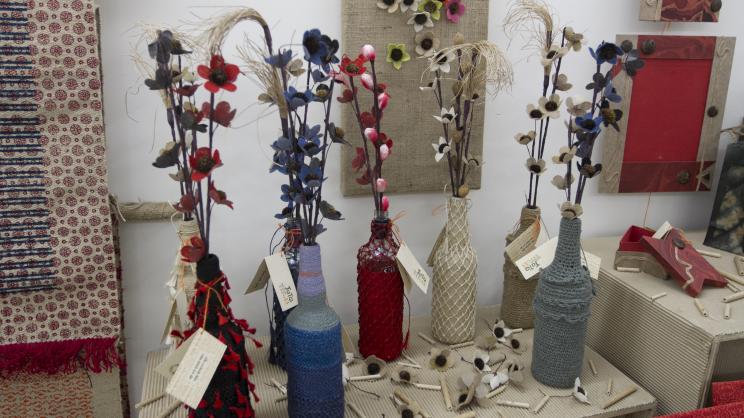
Trays, lamps, flowerpots, baskets, and vases made with a fusion of cane and bamboo can add an artistic touch to your daily life. Curtains made from bamboo are also getting quite famous for its convenient and traditional look.
Cane and bamboo made furniture and accessories are widely available in well-known cane hubs found in Panthapath, Green Road, DCC market Gulshan 1, Mohammadpur Townhall market, etc.
Jute Accessories
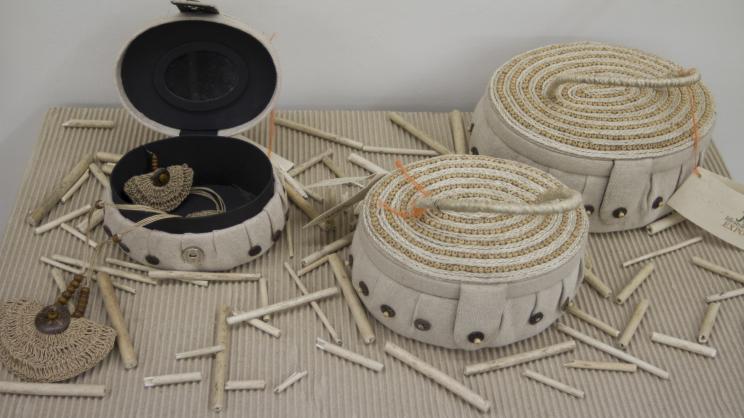
Shouldering most of the country's handicraft industry, jute has been a great sustainable solution both at home and abroad. Doormats and table mats made with complex but extraordinary looking braided patterns can give your place a cosy, yet artistic touch.
Often painted, and decorated with colourful beads and jewels, jute made baskets, jewellery boxes, swings, wall hanging decors will surely express your superior taste if used adequately. Aarong outlets, BeshiDeshi, and several shops in Doel Chattar have different types of jute made items available.
Nakshi Kantha and Jamdani
Nakshi Kantha, once used only as quilts made from love and necessity by Bengali mothers and grandmothers, now also gets used as decorative wall hanging pieces for the skilful eye-catching embroidery patterns and designs.
Both Nakshi Kantha and old Jamdani sarees can be used as sofa or bed throws, or simply mounted to the walls.
 For all latest news, follow The Daily Star's Google News channel.
 Terracotta and Clay
If you want to bring the earthy touch to your home, terracotta dolls, vases, small or medium statues, pots, or wall hangings carved with intricate details, and designs are sure to get the job done.
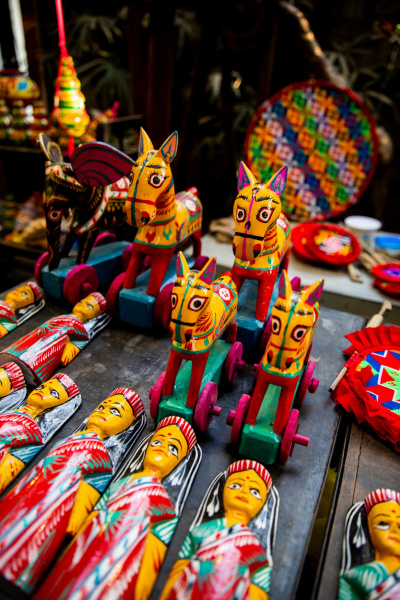
Clay made showpieces like miniature Hari Patils (toys), or animal figurines can beautify small corners in the house, shelves, or tabletops. Apart from that, crockery items made with clay can be used during special occasions or simply as decorative pieces!
Clay made items are easily found in Dhaka, like Doel Chattar.
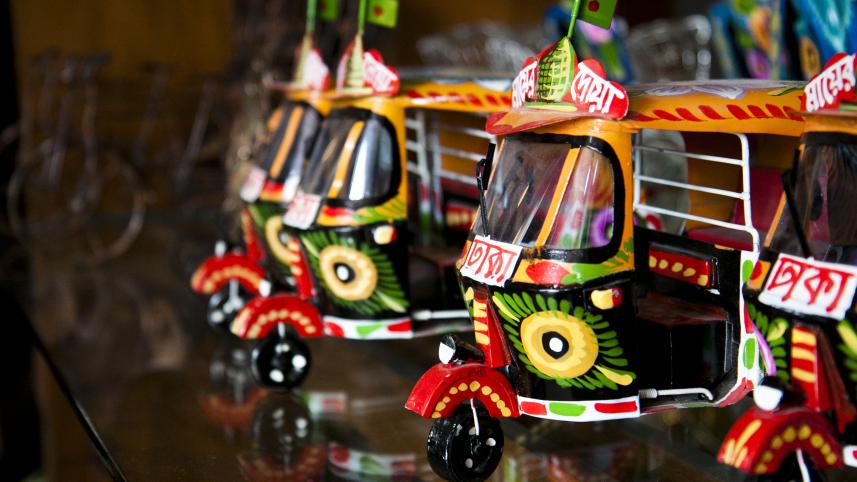
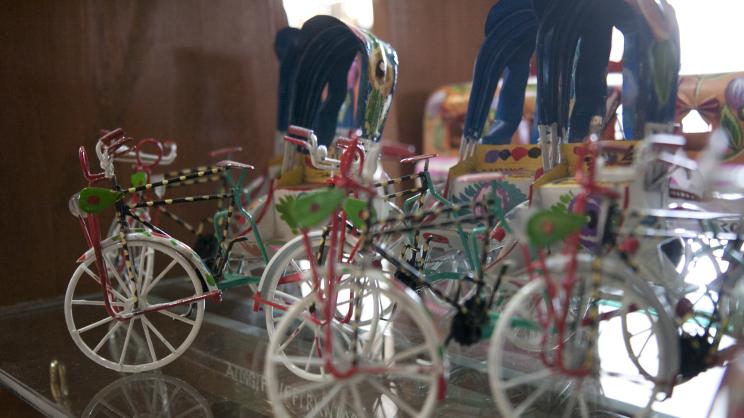
Bangladesh is filled with such unique items made with domestic raw materials. Small miniature replicas of rickshaws, vans, bicycles, baby taxis, etc. are used in different places quite commonly. Although the popularity has been declining, copper and brass made boxes, lamps, and showpieces carved with marvellous designs are still being used by some aesthetes.
This sudden revival does not only bring individuality and uniqueness, but also hints at potential positive economic and cultural shift. When it comes to heritage, you can’t go wrong with Bangladeshi handicrafts, with their wide range of offerings
Comments