


Nayma Hasan Diana breaks common myths about healthy eating
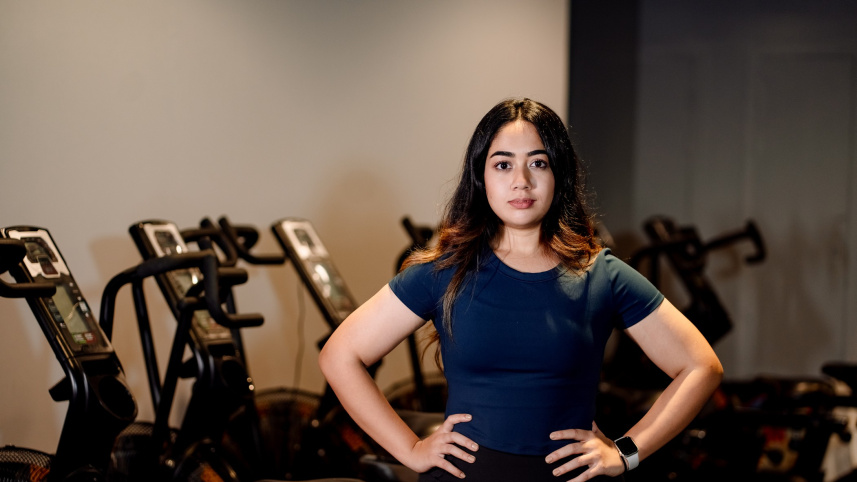
For Nayma Hasan Diana, health was never an abstract concept or a professional ambition shaped by trends. It began as a personal struggle. Long before she became a Health and Lifestyle Coach, she was a teenager dealing with unexplained weight gain, fatigue, and confusion in a system that offered little clarity.
“I had health issues since I was a teenager,” she shares. “My weight was quite high, but there was no awareness. I used to look at magazines and TV to figure out how to diet. Year after year, nothing worked.”

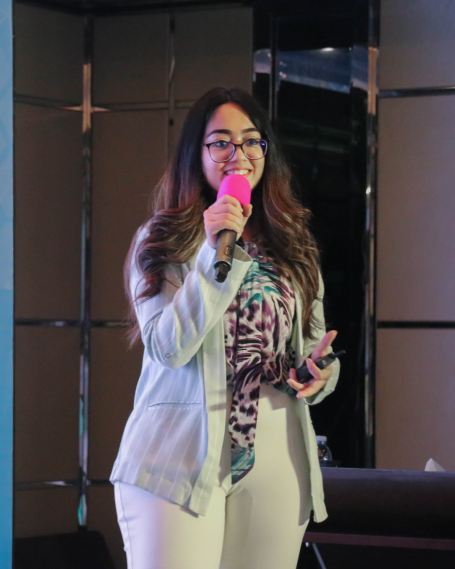
That cycle followed her into adulthood. Diana graduated in Computer Science and began working at a software company. Within a year, her health deteriorated further.
“I was feeling weaker day by day, constantly tired, with severe back pain. My weight kept increasing,” she recalls. It was only later that she discovered she had PCOS, a hormonal condition that explained years of resistance to conventional dieting advice. “I realised that others were doing the same things and getting results, but it wasn’t working for me.”
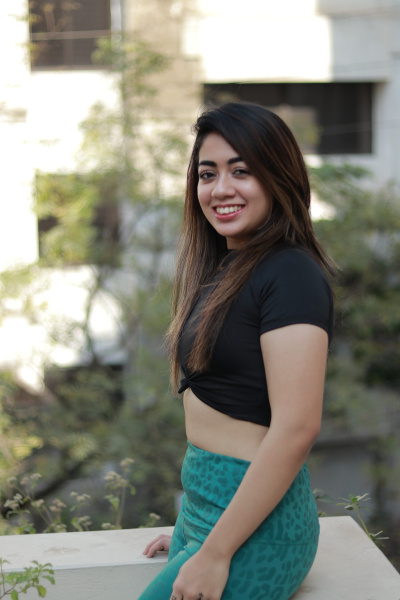
Why coaching, not clinical nutrition
Diana is careful about how she defines her work. “Nutritionists work more clinically,” she explains. “As a nutrition and lifestyle coach, my work is based on mindset, lifestyle, and habits. I work side by side with the client.”
That distinction shapes everything she does. After experiencing restrictive diets under professional supervision, she began questioning sustainability. “I followed a very strict diet for three to four months and got results. But then I asked myself, what now? How do I live?”
Diana’s coaching is grounded in evidence-based nutrition and training. She is a Certified Nutrition Coach through Precision Nutrition and a Certified Personal Trainer from NASM, bringing a strong focus on safe, practical movement. She is also trained as an online coach, allowing her to work closely with clients through digital formats.
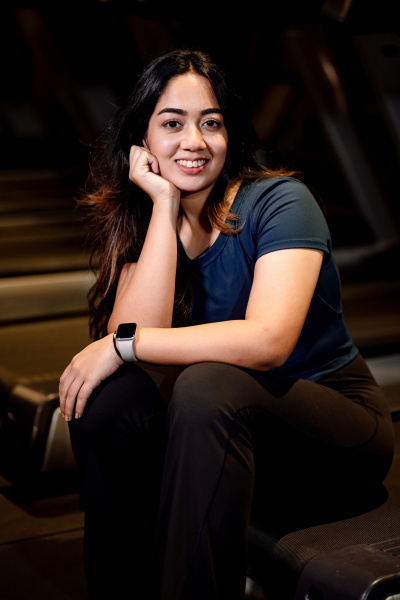
The biggest misconceptions about healthy eating
In her practice, Diana repeatedly encounters the same misunderstandings.
“People think healthy eating means cutting out carbohydrates completely,” she says. “Another problem is that they want to fix everything instantly. They stop eating out, stop everything at once, and after a few days, they lose motivation.”
She also points out a tendency to focus on what she calls accessories. “Instead of focusing on protein balance or proper portions, people worry about chia seeds or supplements. These things are not important at the initial stage. If someone just followed professional guidance for one week properly, they would see results.”
For Diana, this obsession with shortcuts reflects deeper confusion. “People beat around the bush instead of addressing the basics.”
Bangladeshi food is not the problem
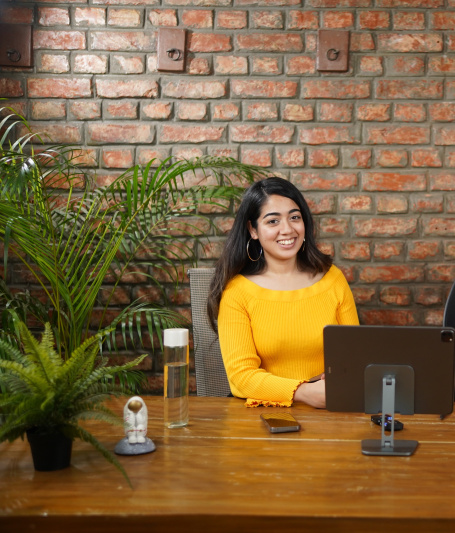
One of Diana’s strongest positions challenges the belief that Western diets are necessary for health. “We don’t need keto or foreign diets to lose weight or build muscle,” she says. “Bangladeshi food can be very healthy if prepared and balanced properly.”
Rice, she explains, is not the villain it is often made out to be. “The issue is quantity relative to activity level. Rice provides energy. Fish and meat provide protein. The problem is that we eat too much rice because our food is delicious.”
She is equally critical of how food is cooked. “We use excessive oil, and we overcook vegetables. That destroys nutrients. If we improve cooking practices and portion sizes, our traditional food works perfectly.”
Navigating myths, misinformation, and influencers
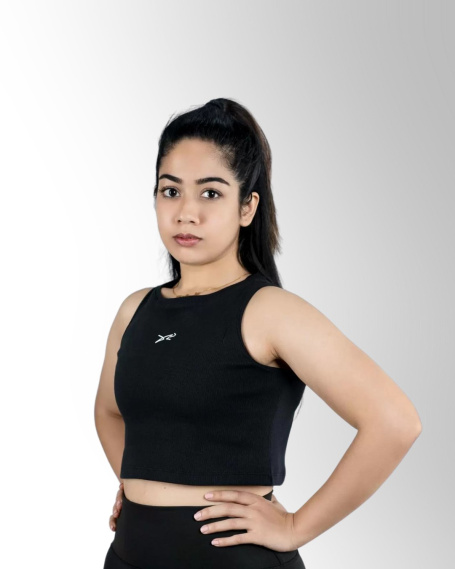
Starting her career, Diana faced a landscape crowded with myths. “Most research is done in Europe or America,” she explains. “Very little research is done in Bangladesh. Our curriculum is outdated, so new professionals are learning old information.”
She is particularly concerned about the authority given to influencers. “People follow content creators because they have followers. They assume whatever is shared online is the truth,” she says. “I always tell people not to follow anyone blindly, even professionals. You should have enough awareness to judge information.”
Looking ahead: Health before crisis
Diana’s long-term vision goes beyond individual coaching. “I want to move toward health-tech,” she says. With a background in computer science, she aims to build systems that allow her to reach more people while maintaining quality.
But her most personal goal lies elsewhere. “I want to work with students, especially girls,” she says. “Awareness usually comes when we start working, and everything becomes overwhelming. By then, it’s often too late.”
Her motivation is deeply personal. “When I was a teenager, my struggle started then. Nobody understood it. If I can give students that awareness early, that would be a gift to my teenage self.”
For Diana, health is not about fixing a body after it breaks down. It is about learning how to live before crisis forces the lesson.
 For all latest news, follow The Daily Star's Google News channel.
Photo: Courtesy
Comments