


How ancient spices built empires and defined human history
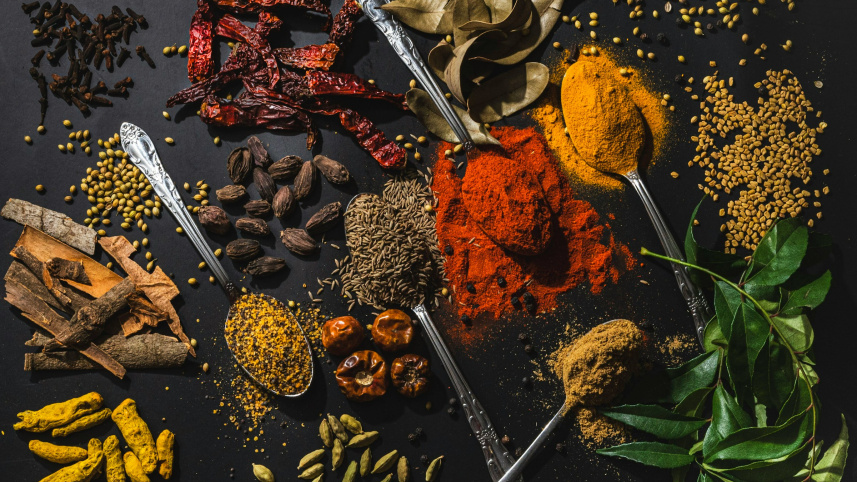
Modern pantries treat spices as ordinary, but history tells a far wilder story. Centuries ago, rare aromatics were so valuable that kingdoms waged wars and guarded trade routes with fierce secrecy.
“No man should die if he can afford cinnamon,” remarked a writer in the 14th century, capturing a truth that once governed global commerce, politics and power. Long before oil and gold became the currencies of empires, spices transformed economies, drew ships across unknown oceans and inspired voyages that altered the course of history.


In medieval Europe, dockworkers in London were sometimes paid in cloves, while Roman soldiers received allowances in salt, giving rise to the expression “a man worth his salt.” Such was the value of spices that kingdoms guarded the origins of these precious commodities with extraordinary secrecy. The quest for pepper, cinnamon, cloves, and nutmeg helped create vast trading networks, fuelled maritime exploration and ultimately contributed to the European search for new sea routes — a journey that led to the discovery of the Americas.
Today, a pinch of spice is an everyday pleasure, but there was a time when wars were fought, fortunes made and empires built in pursuit of these fragrant treasures.
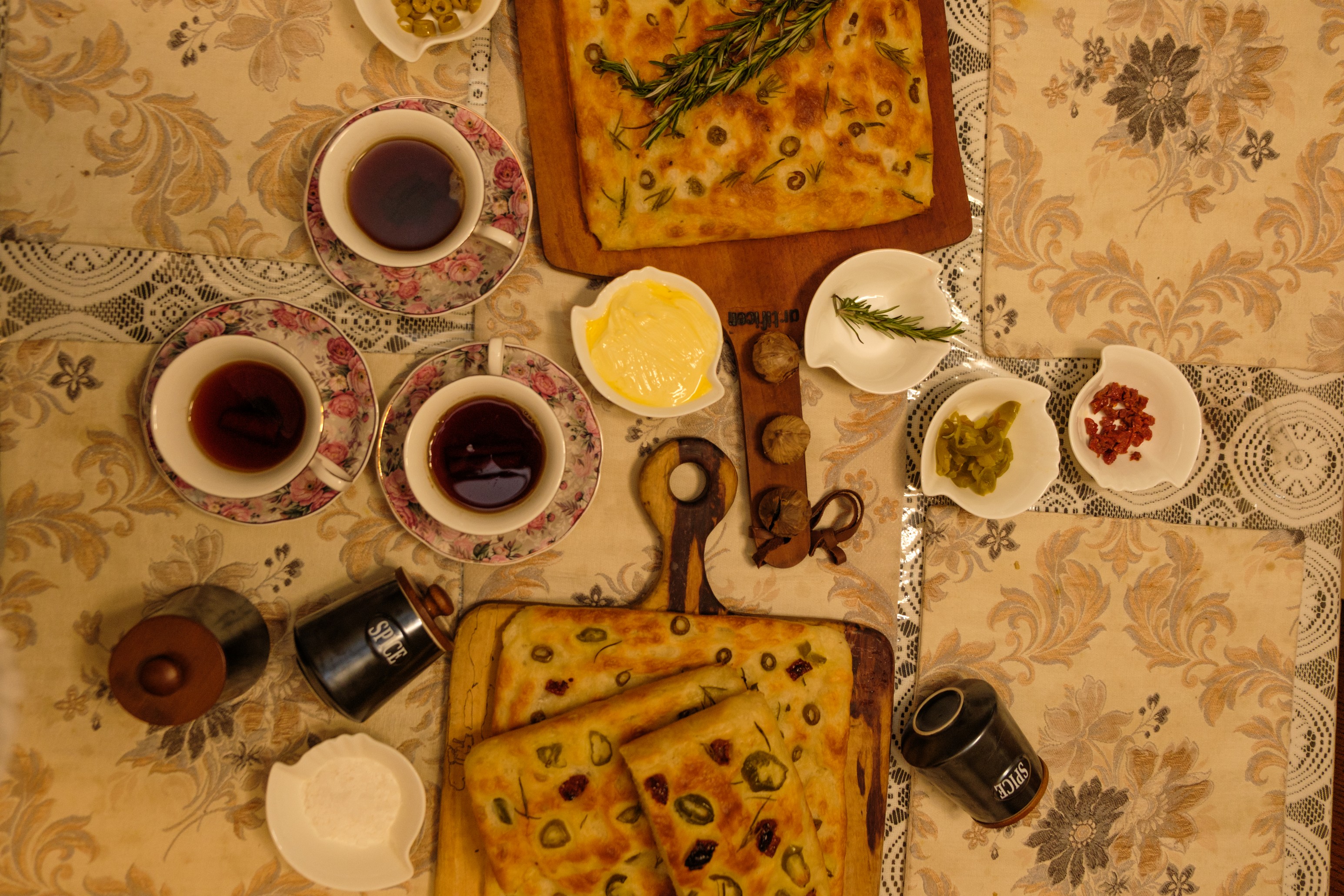
The story of spices on the Indian subcontinent stretches back thousands of years. An ordinary meal in the cities of the Indus Valley Civilization may have included salt, asafoetida (hing), pepper or chillies, accompanied by vegetables and staple grains. By the time of the Mauryan Empire, culinary choices had become even more diverse. Kautilya, the renowned strategist and author of the Arthashastra, wrote about the cultivation and trade of several varieties of salt, including sea salt, black salt, rock salt and mineral salts, underlining the importance of flavouring agents in both diet and statecraft.
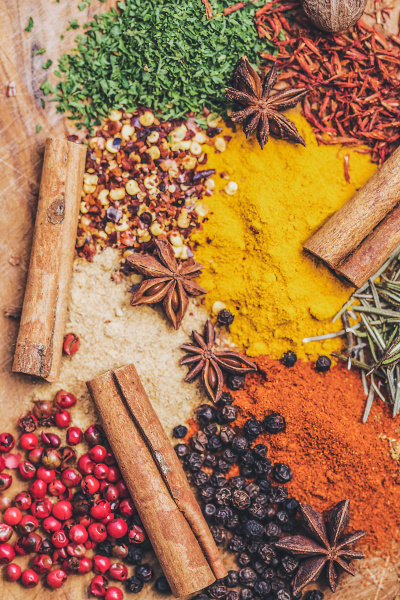
Buddhist traditions, however, favoured simplicity. Salt, mustard seeds, pepper, and amloki formed part of a restrained cuisine, while foods such as garlic and onion were often avoided. Even humble ingredients carried profound meaning. One of Buddhism’s best-known stories recounts how the Buddha asked a grieving mother to bring him mustard seeds from a household untouched by death. When she found no such home, she realised that suffering was universal and that she was not alone in her loss.
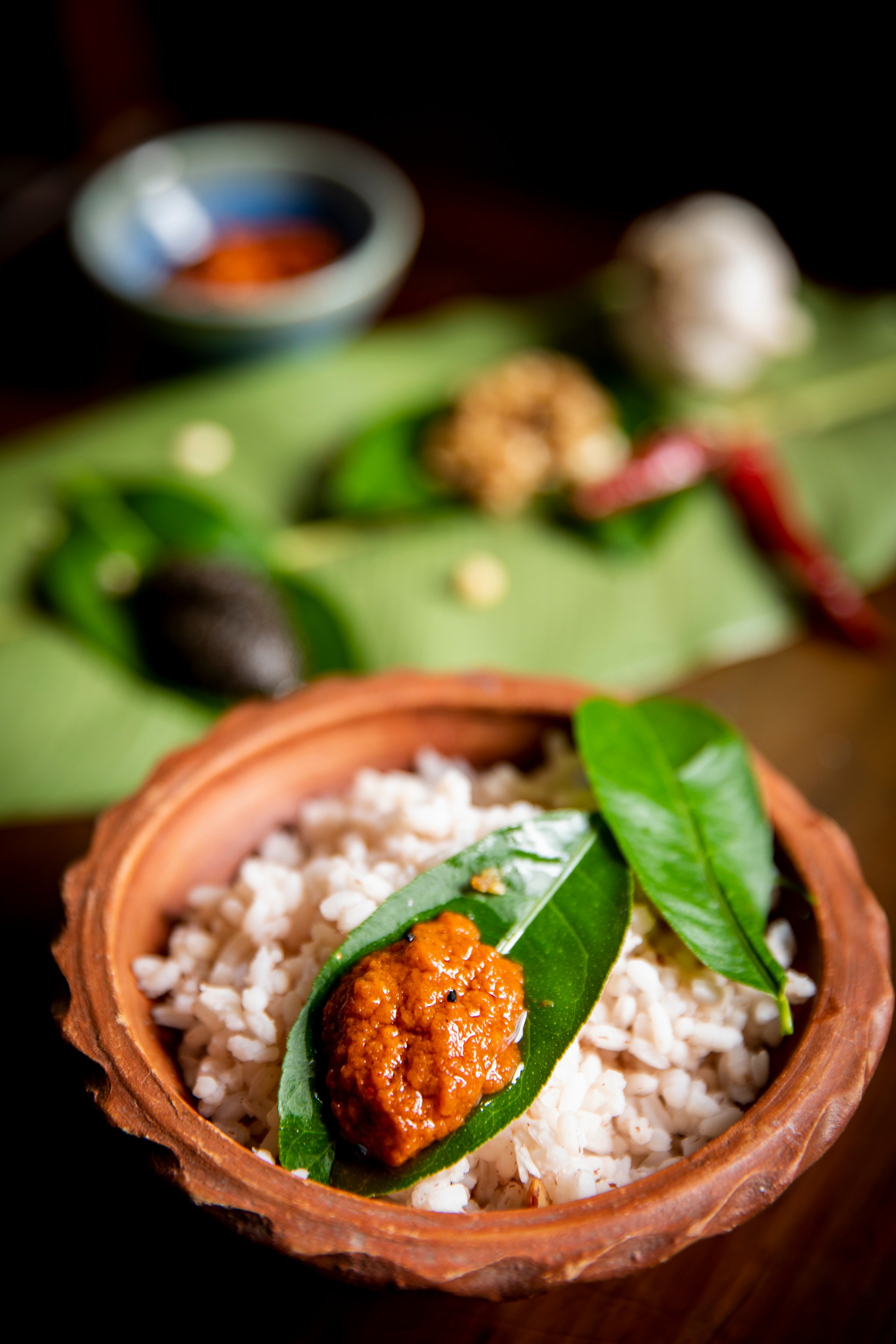
Among all spices, few have commanded as much fascination as black pepper. Known as “Black Gold”, pepper travelled from the Malabar Coast of Kerala to distant markets in Greece as early as the fourth century BCE. Its immense value attracted merchants, adventurers, and empires, from the Romans to the Portuguese. When Vasco da Gama arrived in India at the end of the 15th century in search of spices, he discovered that he was far from the first claimant to this lucrative trade.
Legend has it that when the Portuguese attempted to carry pepper plants back to Europe, their hosts in Kerala offered a gentle reminder: “You may grow the plant in your country, but how will you give it our rain?” The rich pre- and post-monsoon climate of Kerala — often called “God’s Own Country” — gives its pepper a distinctive intensity that proved difficult to replicate elsewhere.
Competition for spices reshaped the world map. The Portuguese were followed by the Dutch, who found more efficient sea routes around the Cape of Good Hope, and eventually by the British, whose arrival in South Asia was deeply tied to the spice trade. Ironically, British cuisine was once far more heavily seasoned than it is today. As spices became cheaper and more widely available, sections of the aristocracy adopted simpler, blander food as a way of distinguishing themselves from the broader population.
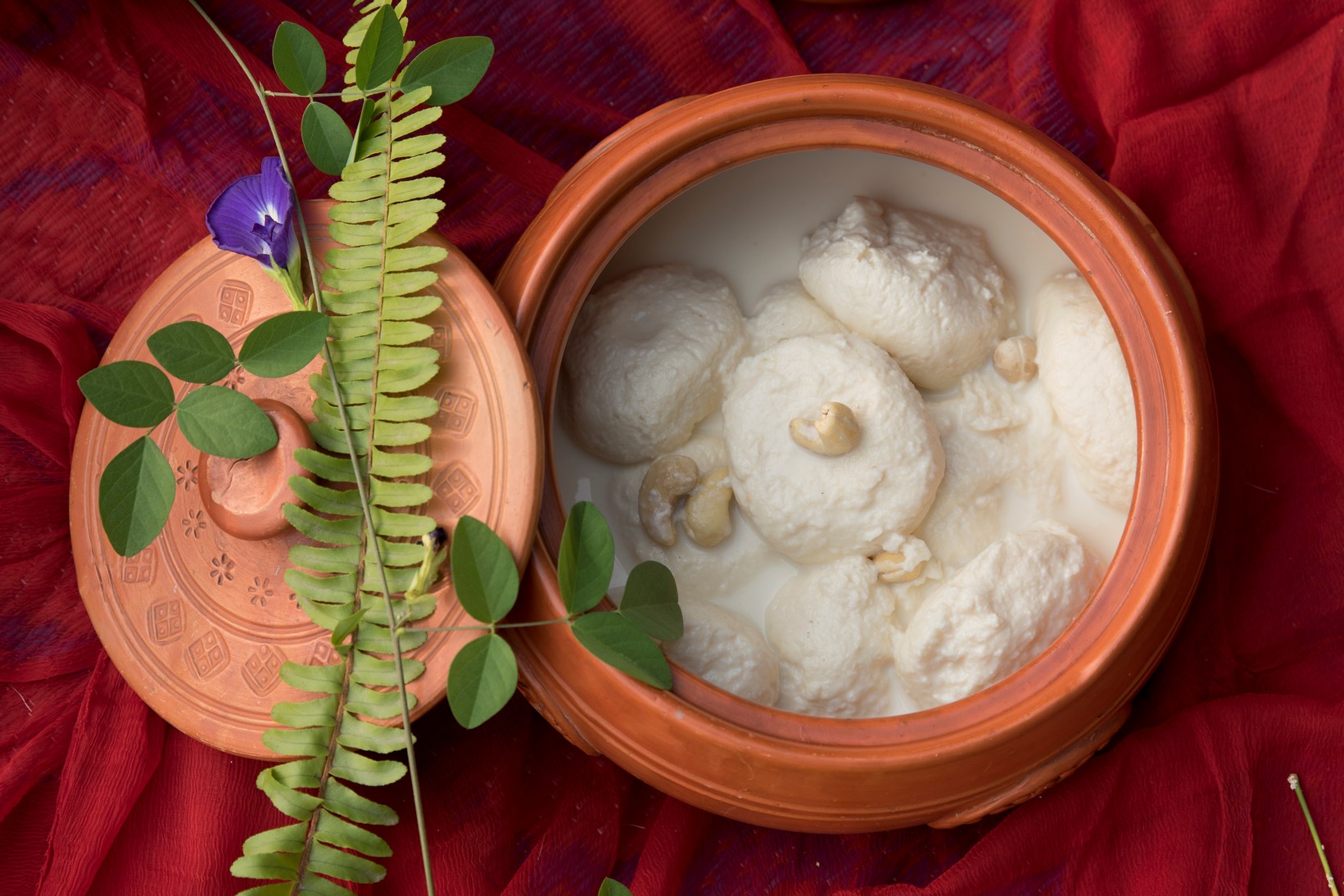
The Mughals brought yet another layer to the subcontinent’s culinary heritage. Arriving from Central Asia, Emperor Babur reportedly found Indian food lacking in fragrance. By the reign of Akbar, Mughal kitchens had introduced new aromas and refinements, including the use of rose water to perfume dishes. The Mughals also popularised elaborate desserts and the custom of ending meals with paan, shaping dining traditions that continue across South Asia today.
From the healing qualities associated with turmeric to the astonishing prices once commanded by nutmeg, spices have long been far more than mere ingredients. They are stories of trade, migration, conquest, faith and culture — tiny seeds and powders that connected distant worlds and continue, even now, to awaken our senses.
 For all latest news, follow The Daily Star's Google News channel.
Comments