


The hidden price of missed vaccines
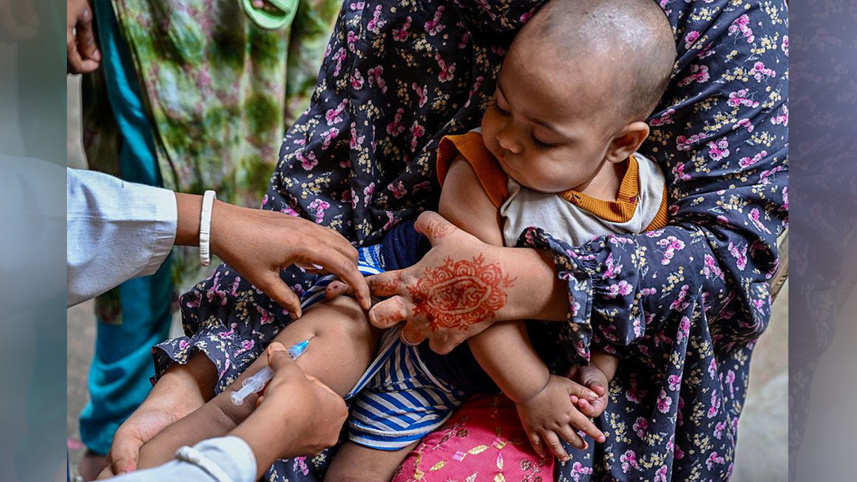
Bangladesh’s recent measles surge is doing more than raising alarm over childhood illness—it may also be fuelling a larger public health challenge, says a press release. A new policy brief by the Global Antibiotic Resistance Partnership (GARP), led by the One Health Trust and icddr,b, warns that widening vaccination gaps could accelerate the rise of infections that are becoming harder to treat.
The report highlights a simple but powerful message: vaccines do more than prevent disease. By stopping infections before they start, they reduce the need for medicines and help slow the spread of stubborn germs that no longer respond to treatment.

The warning comes as Bangladesh faces one of its largest measles outbreaks in recent years, with more than 51,500 suspected cases and over 350 confirmed and suspected deaths reported by May 2026. Experts say disruptions in routine vaccination and declining confidence in vaccines have left dangerous gaps in protection.
Health experts warn that the recent measles outbreak should serve as a wake-up call, highlighting how quickly hard-won public health gains can be lost when vaccination coverage declines.
While Bangladesh has achieved remarkable success in controlling diseases such as polio and neonatal tetanus, the report stresses that these gains are not guaranteed. Strengthening routine vaccination, expanding access to key vaccines and placing immunisation at the heart of national health strategies could help protect lives today while preventing bigger challenges tomorrow.
 For all latest news, follow The Daily Star's Google News channel.
Comments