


Same route, different risk: Understanding Hepatitis A & E
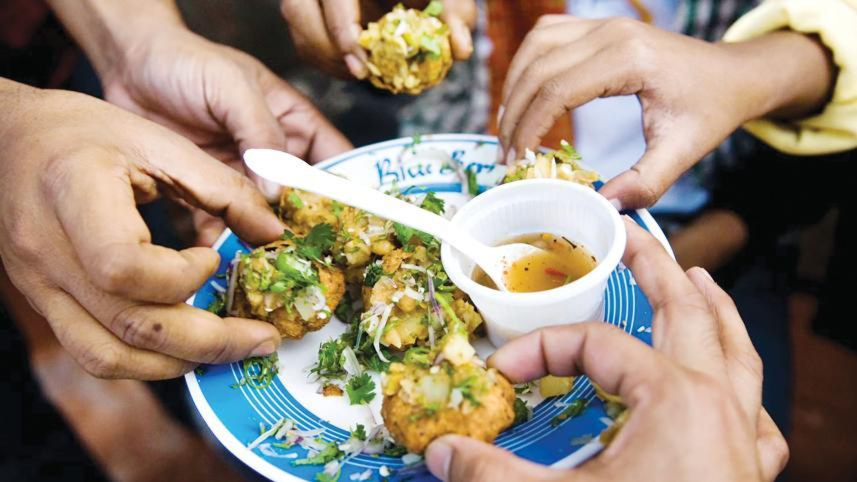
A plate of roadside fuchka, a glass of fresh juice from a street cart, or a meal prepared with unclean water may seem harmless. Yet these everyday choices can sometimes open the door to illnesses that quietly damage one of the body’s most important organs. Among them are Hepatitis A and Hepatitis E, two infections that continue to affect thousands of people in Bangladesh every year.
Both illnesses spread through contaminated food and water, making them particularly common in areas where sanitation remains a challenge. Flooding, waterlogging and poor waste management can further increase the risk, especially during the monsoon season. Although the two infections follow the same route of transmission, they do not affect everyone in the same way. Hepatitis A is more frequently seen in children and often causes a milder illness. Hepatitis E, however, is more common among adults and can become especially dangerous for pregnant women.

Once these viruses enter the body, they reach the liver and interfere with its ability to carry out essential tasks. People may experience fever, nausea, tiredness, stomach discomfort and a yellowish colour in the eyes or skin. In severe cases, the illness can become life-threatening. Reports suggest that Hepatitis E continues to claim lives in Bangladesh each year, highlighting the need for greater awareness and prevention.
Street food is an important part of Bangladeshi culture and livelihood. From chotpoti and fuchka to jhalmuri and sugarcane juice, these foods bring communities together and support thousands of vendors. The goal is not to avoid street food altogether, but to choose it wisely. Vendors who use clean water, maintain hygiene and prepare food safely can significantly reduce the risk of infection.
The good news is that prevention is simple. Drinking safe water, washing hands regularly, eating hygienically prepared food and improving sanitation can greatly lower the chances of illness. Vaccination against Hepatitis A also offers added protection. Small daily habits may seem insignificant, but they can make the difference between good health and a serious illness. In a country where food is a celebration of life, keeping it safe should be everyone’s responsibility.
Sharmila Sazanka is a student of Biochemistry and Biotechnology at North South University. E-mail: sharmilasazanka8024@gmail.com
 For all latest news, follow The Daily Star's Google News channel.
Comments