


Smart health or smart spending?

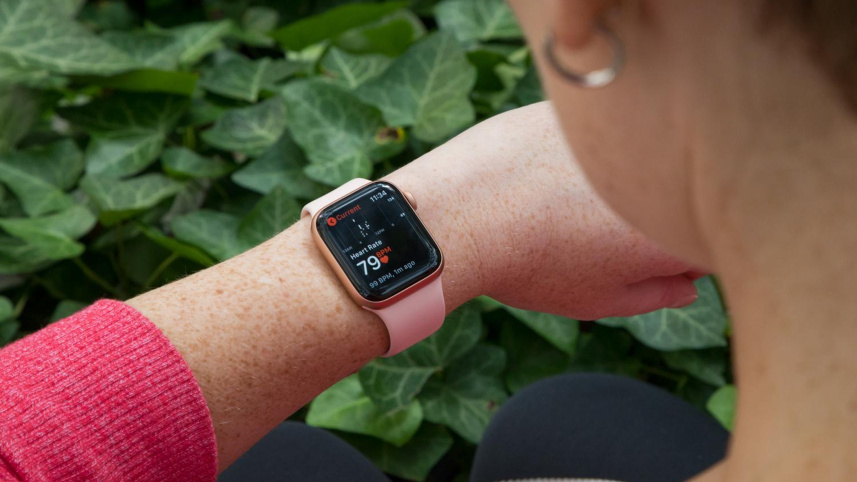
Fitness watches and smart rings have become more than fashion accessories. They promise to count steps, track sleep, measure heart rate and even warn users when something seems unusual. But are these devices truly improving health, or are they simply costly gadgets?
For many people, wearable devices can be a powerful source of motivation. Daily reminders encourage users to move more, sleep better and stay active. Watching progress over time may help people build healthier habits and remain committed to their goals. Some devices can also alert users to changes that deserve medical attention, allowing them to seek advice earlier.

Yet experts warn against relying on these devices alone. The numbers they provide are not always exact and can sometimes cause unnecessary worry. A poor night’s sleep or a sudden change in heart rate does not always signal illness. Without proper understanding, users may misread the information and become anxious.
The greatest value of wearable technology lies in supporting, not replacing, healthy choices. Regular exercise, balanced meals, enough sleep and routine medical check-ups remain the foundations of good health.
A smartwatch may be a useful companion, but lasting wellbeing still depends on the everyday decisions people make not on what appears on a screen.
E-mail: sumaiya.khaled@thedailystar.net
 For all latest news, follow The Daily Star's Google News channel.
Comments