


Women and underserved communities face biggest gaps in cataract care!
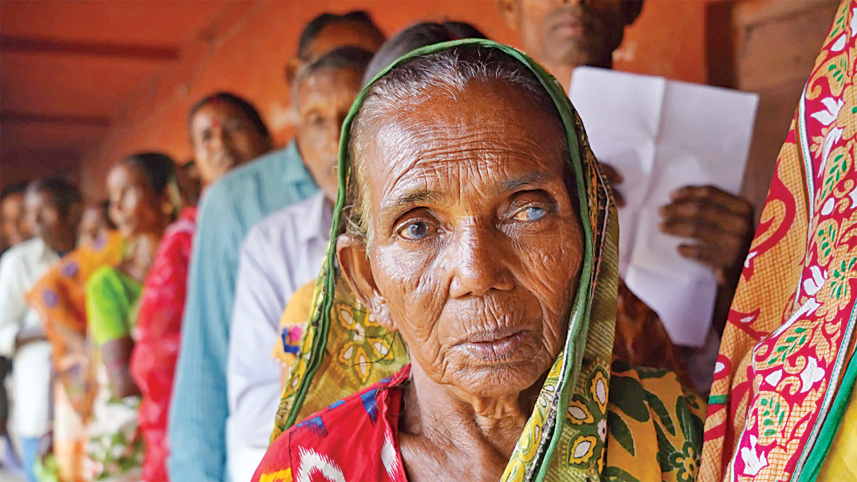
The World Health Organisation (WHO) is urging countries to accelerate access to cataract surgery, a simple and highly effective procedure that can restore sight and prevent avoidable blindness.
Cataract, a clouding of the eye’s lens that causes blurred vision and can lead to blindness, affects more than 94 million people worldwide. The surgery takes around 15 minutes and is considered one of the most cost-effective medical procedures, providing immediate and lasting restoration of vision.

A new study in The Lancet Global Health shows that nearly half of all people with cataract-related blindness still need surgery. While global coverage has improved by 15% over the past two decades, ageing populations and rising cataract cases mean demand continues to outpace progress. Current projections suggest only an 8.4% increase in coverage this decade, falling short of the 30% target by 2030 set by the World Health Assembly.
The study highlights major gaps in access, particularly in the African region, where three in four people needing surgery remain untreated. Women are disproportionately affected in all regions, reflecting long-standing barriers such as shortages of trained eye-care professionals, high costs, long waiting times, and limited awareness of treatment options.
WHO recommends integrating vision screening into primary health care, investing in surgical infrastructure, and expanding the eye-care workforce, especially in rural and underserved areas. Targeted efforts for women and marginalised communities are essential to reduce inequities.
With sustained commitment, cataract surgery can become universally accessible, helping millions regain independence, dignity, and opportunity while ending avoidable blindness worldwide.
Source: World Health Organisation
 For all latest news, follow The Daily Star's Google News channel.
Comments