


Empty clinics, ailing villages: Bangladesh’s quiet rural health crisis
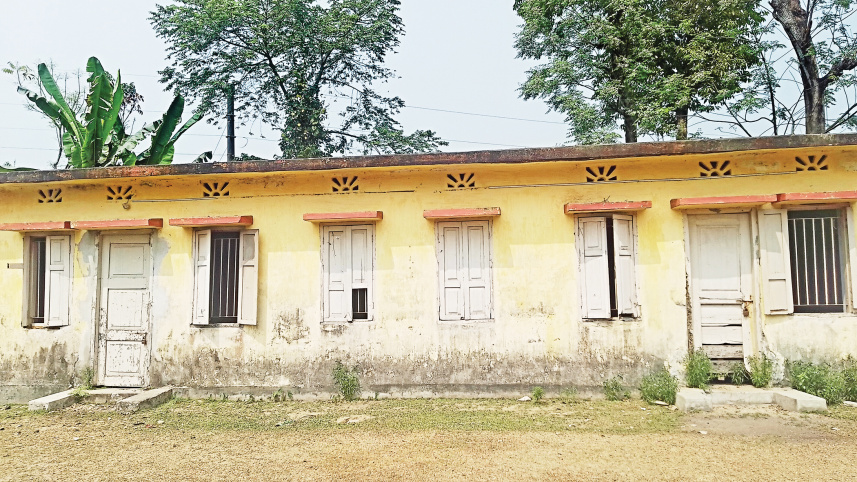
Bangladesh is widely recognised as a global success story in public health. Over the past few decades, the country has made remarkable progress in reducing maternal and child mortality, expanding immunisation coverage and increasing life expectancy. International organisations often cite Bangladesh as a model for community-based healthcare initiatives. Yet beyond these achievements, a quieter crisis continues to unfold across rural Bangladesh.
Across thousands of villages, community clinics and rural health centres stand as symbols of an ambitious healthcare vision. Built with substantial public investment, these facilities were meant to bring essential medical services closer to people living far from urban hospitals. Each community clinic was designed to serve roughly 6,000 villagers, providing primary consultations, maternal and child health services, immunisation, family planning counselling and treatment for common illnesses.

On paper, the model aligns closely with global public health principles such as Primary Health Care (PHC) and Universal Health Coverage (UHC). If fully functional, these clinics could form the backbone of Bangladesh’s rural healthcare system.
In reality, however, many clinics remain closed for long periods or operate only sporadically. Residents in several rural areas report that healthcare personnel are frequently absent. Doctors rarely visit, and trained nurses or health assistants are often unavailable. Even when clinics open, shortages of medicines and basic diagnostic tools limit the services that can be offered.
For villagers, the consequences are serious. When illness strikes, the nearest functioning health facility may be several kilometres away, often requiring costly transport to reach an upazila health complex or district hospital. For low-income rural families, such journeys can be both financially and physically burdensome.
The situation is particularly challenging for vulnerable groups. Pregnant women may miss essential antenatal check-ups, elderly patients struggle to manage chronic illnesses and children with infections risk delayed treatment. Minor health problems that could have been treated locally often escalate into more severe conditions.
Bangladesh has invested heavily in rural healthcare infrastructure, but buildings alone cannot deliver care. A functioning system requires trained health professionals, reliable medicine supplies, diagnostic services, effective supervision and community engagement.
International experience shows that strengthening the role of nurses and community health workers can significantly improve primary healthcare delivery. In countries such as Thailand, Brazil and Rwanda, nurse-led clinics have successfully expanded access to essential health services.
Bangladesh has already demonstrated its ability to innovate in public health. Revitalising community clinics through better staffing, consistent medicine supply and stronger accountability could transform these facilities into vibrant healthcare hubs.
After all, healthcare systems should be judged not by the buildings they construct, but by the care they deliver to the people they serve.
The writer is a Senior Nursing Educationist & Research Consultant. E-mail: forazy@gmail.com
 For all latest news, follow The Daily Star's Google News channel.
Comments