


The power of female rage in cinema


For much of cinematic history, women have been permitted to suffer beautifully. They mourn, endure, forgive, and sacrifice. What they have rarely been allowed to do—at least without consequence—is rage. Female anger has often been framed as instability, hysteria, or moral decline, something to be corrected or contained before it threatens the social order.
Yet some of the most compelling films ever made centre precisely on this forbidden emotion. Female rage in cinema is not limited to revenge or rebellion; it often emerges at the moment a character realises the world has demanded too much from her for too long.

Few films capture that realisation as vividly as “Kill Bill”. Quentin Tarantino’s blood-soaked revenge saga may appear to be a stylised martial arts spectacle, but at its core lies a story about violated autonomy. Uma Thurman’s Bride awakens from a coma to discover that her life, identity, body, and motherhood have been violently taken from her.

What follows is not merely vengeance but reclamation. The film’s feminist power lies in its refusal to soften female fury. The Bride’s anger exists in its full, terrifying force. Historically, revenge narratives have been reserved for men, whose rage is framed as heroic or justified. By granting a woman the same narrative space, “Kill Bill” unsettles a long-standing cinematic double standard.
A far quieter but equally unsettling exploration of anger appears in “Promising Young Woman”. Emerald Fennell’s film rejects explosive violence in favour of a slow-burning portrait of grief transformed into fury. Cassie, played by Carey Mulligan, lives in a world that has collectively chosen to forget a sexual assault that destroyed her friend’s life.
Her anger is therefore directed not only at individuals but at an entire culture of complicity. The brilliance of the film lies in how ordinary that complicity feels. The men Cassie confronts are not cinematic monsters. They are polite, educated, and outwardly respectable. Their violence lies in denial and minimisation, in the belief that the past is best left undisturbed. Cassie’s anger becomes a refusal to participate in that collective amnesia.

If “Promising Young Woman” dissects social complicity, “Thelma & Louise” captures the moment anger turns into rebellion. When the film was released in 1991, its portrayal of two women fleeing a patriarchal world felt radical. The story begins as an ordinary road trip but transforms after an attempted sexual assault.
What follows is not simply a crime spree but a gradual awakening. Thelma and Louise begin to recognise the quiet humiliations that have shaped their lives—dismissive husbands, condescending authority figures, and a justice system unlikely to believe them. By the time they reach the film’s iconic ending, their final act feels less like escape than a refusal to return to the lives they once accepted.
Female rage, however, does not always manifest through guns or vengeance. Sometimes it emerges through the psychological fractures created by impossible expectations. Darren Aronofsky’s “Black Swan” offers one of the most haunting portrayals of this phenomenon.
Natalie Portman’s Nina is consumed by the demand to embody two contradictory ideals: purity and sensuality, innocence and danger. The ballet world demands perfection while denying her agency over her own body and identity. Her descent into madness becomes the logical outcome of relentless pressure. Nina’s suppressed anger—towards her controlling mother, manipulative director, and suffocating expectations—has nowhere to go. It turns inward, consuming her.
Jennifer Kent’s “The Babadook” explores a similar emotional terrain through horror. On the surface, the film tells the story of a supernatural entity haunting a grieving mother and her son. Yet its deeper narrative concerns the isolation of motherhood.
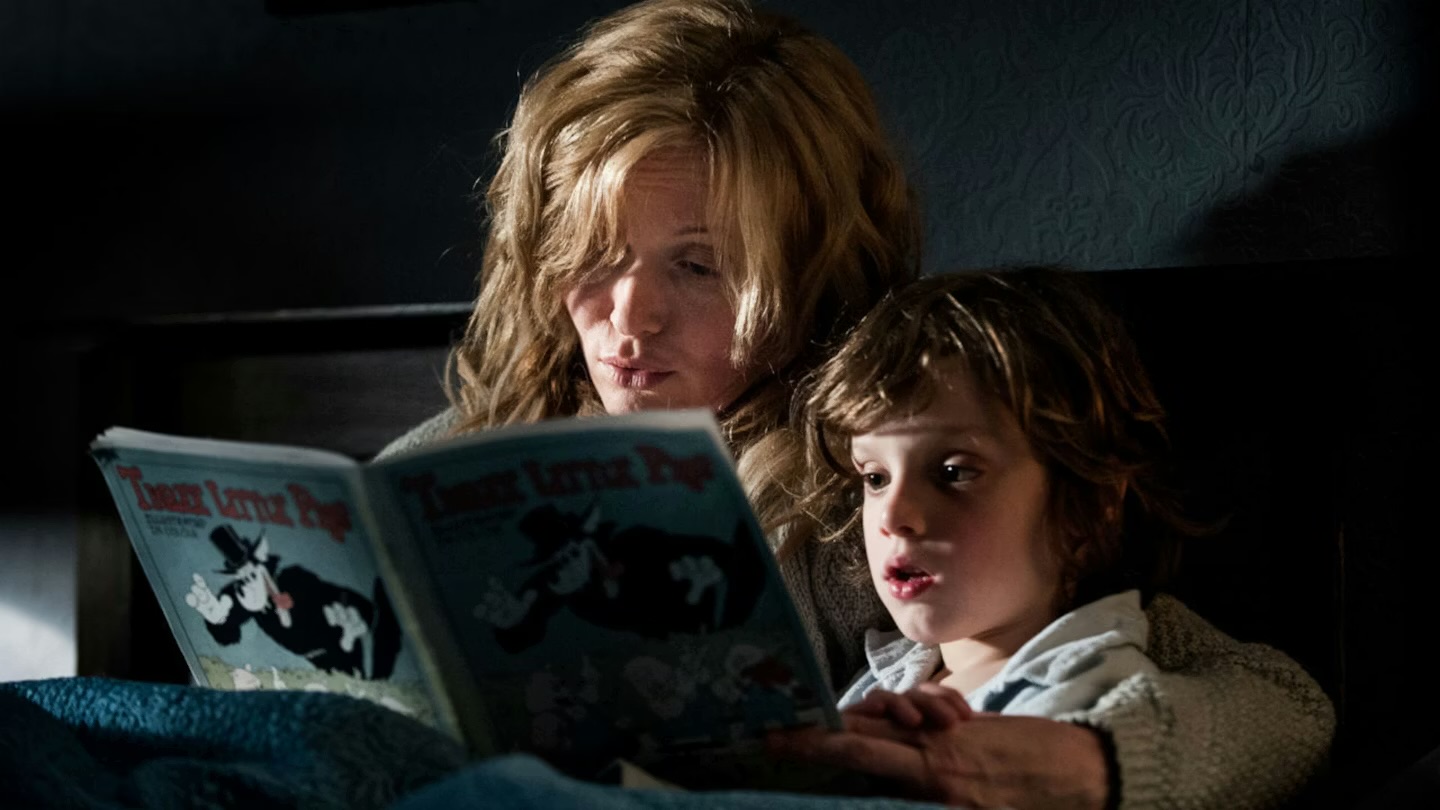
Amelia, the protagonist, is trapped between grief for her dead husband and the relentless demands of caring for a difficult child. The film confronts a rarely acknowledged taboo: that motherhood can coexist with resentment and anger. Amelia’s exhaustion slowly curdles into rage—at her circumstances, at the child who embodies her loss, and at the expectation that she remain endlessly patient. The monster becomes a manifestation of emotions society insists mothers must never admit.
Greta Gerwig’s “Lady Bird” offers yet another dimension of female anger. The film centres on a teenage girl navigating the tension between independence and belonging. Lady Bird’s relationship with her mother is defined by constant friction, oscillating between tenderness and hostility.
Her anger reflects the frustration of becoming someone new while remaining tethered to family expectations. Her mother’s own disappointments—economic pressures and unrealised ambitions—echo through their interactions. Unlike the operatic revenge of “Kill Bill” or the rebellion of “Thelma & Louise”, the rage in “Lady Bird” is intimate and ordinary.

South Asian cinema has historically been more cautious in its portrayal of female anger, often placing women within narratives of endurance rather than rebellion. Yet several films have explored rage as a form of resistance.
Meghna Gulzar’s “Raazi” presents a complex emotional landscape. Sehmat, a young Kashmiri woman who becomes an Indian spy, is not outwardly furious. Her rage is quieter, internalised, and political. As she infiltrates a Pakistani military household, she must suppress her emotions while committing acts that conflict with her moral compass. Her anger shapes her resolve even when it remains hidden.
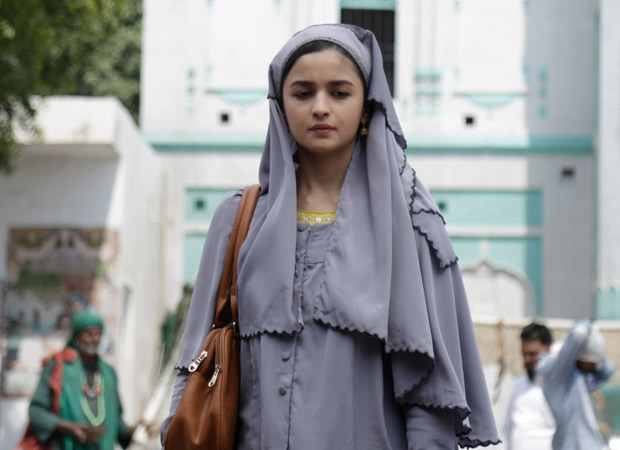
A more visceral portrayal appears in “NH10”. Anushka Sharma’s Meera begins the film as an urban professional whose life is violently disrupted during a road trip. After witnessing an honour killing and becoming the target of the perpetrators, the narrative transforms into a brutal survival story.
Meera’s anger grows out of terror but gradually becomes defiance. As she confronts caste violence, patriarchy, and lawlessness, her rage evolves into a refusal to remain a victim.
One of the most striking contemporary explorations of female rage in South Asian cinema appears in “Bulbbul”. Set in nineteenth-century Bengal, the film begins with the story of a child bride entering a feudal household. What initially resembles a gothic fairytale gradually reveals layers of domestic abuse, sexual violence, and systemic oppression.
Bulbbul’s transformation into a mythical avenger embodies rage denied expression for too long. Drawing from South Asian folklore, particularly the legend of the chudail, the film reinterprets a figure traditionally depicted as monstrous. Instead of presenting the spirit as a warning against female transgression, “Bulbbul” reframes her as the inevitable consequence of patriarchal violence.
 For all latest news, follow The Daily Star's Google News channel.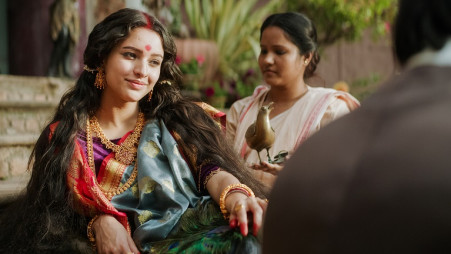
Taken together, these films reveal how multifaceted female rage can be. It may appear as vengeance, grief, psychological collapse, or quiet resistance. Yet all of these expressions share a common origin: the recognition of injustice.
For feminist thinkers, anger has long been understood as a political emotion. It arises when people recognise that the rules governing their lives are fundamentally unfair. When women express rage, they are often responding not only to personal grievances but to broader systems of power.
Cinema’s growing willingness to explore this emotion therefore signals a subtle cultural shift. For decades, female characters were expected to embody patience and forgiveness. Rage disrupted that ideal, making women appear difficult, unlikeable, or dangerous.
Films that centre female anger challenge those expectations. They suggest that rage is not inherently destructive. Instead, it can be an act of emotional honesty—one that exposes injustices long ignored.
Perhaps that is why these stories resonate so strongly today. In a world where women continue to confront violence, discrimination, and impossible standards, rage becomes not only understandable but necessary.
Comments