


Will Television survive?
What happened to the magic of television drama?
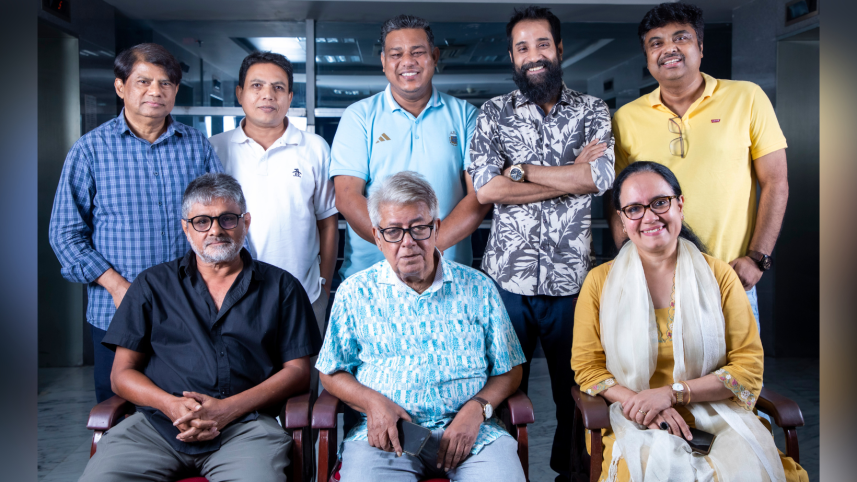
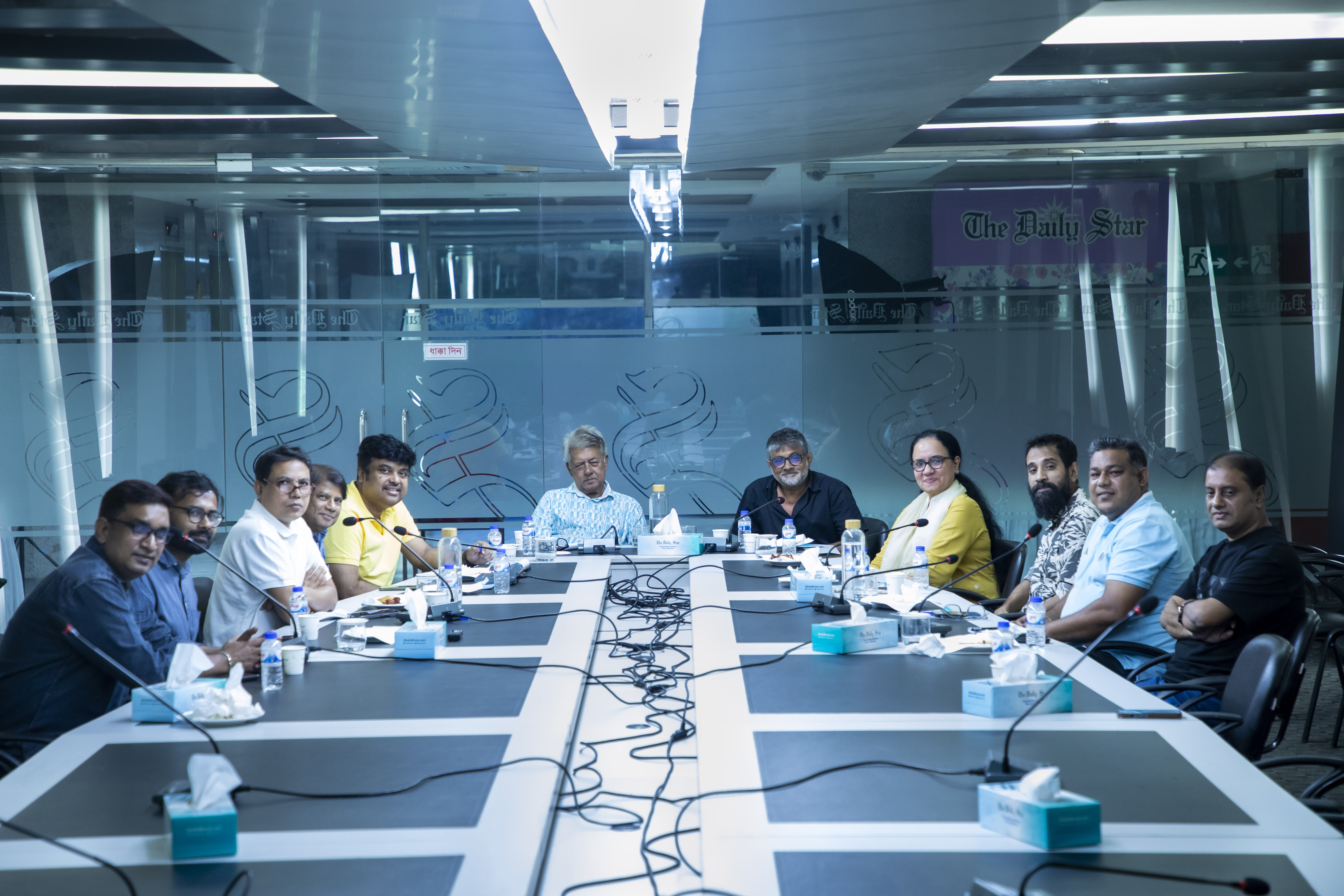
To answer this and debate whether the medium itself can survive, The Daily Star hosted a star-studded roundtable. The lineup included Ekushey Padak-winning actor-director and playwright Mamunur Rashid, noted filmmaker Gias Uddin Selim, television directors Sohel Arman, Animesh Aich, Arif Khan, Aranyo Anawer, and Shakal Ahmed, alongside acclaimed theatre actor and stage director Tropa Majumdar.
Together, they dissected how television transitioned from a cultural powerhouse into a medium fighting for its life.
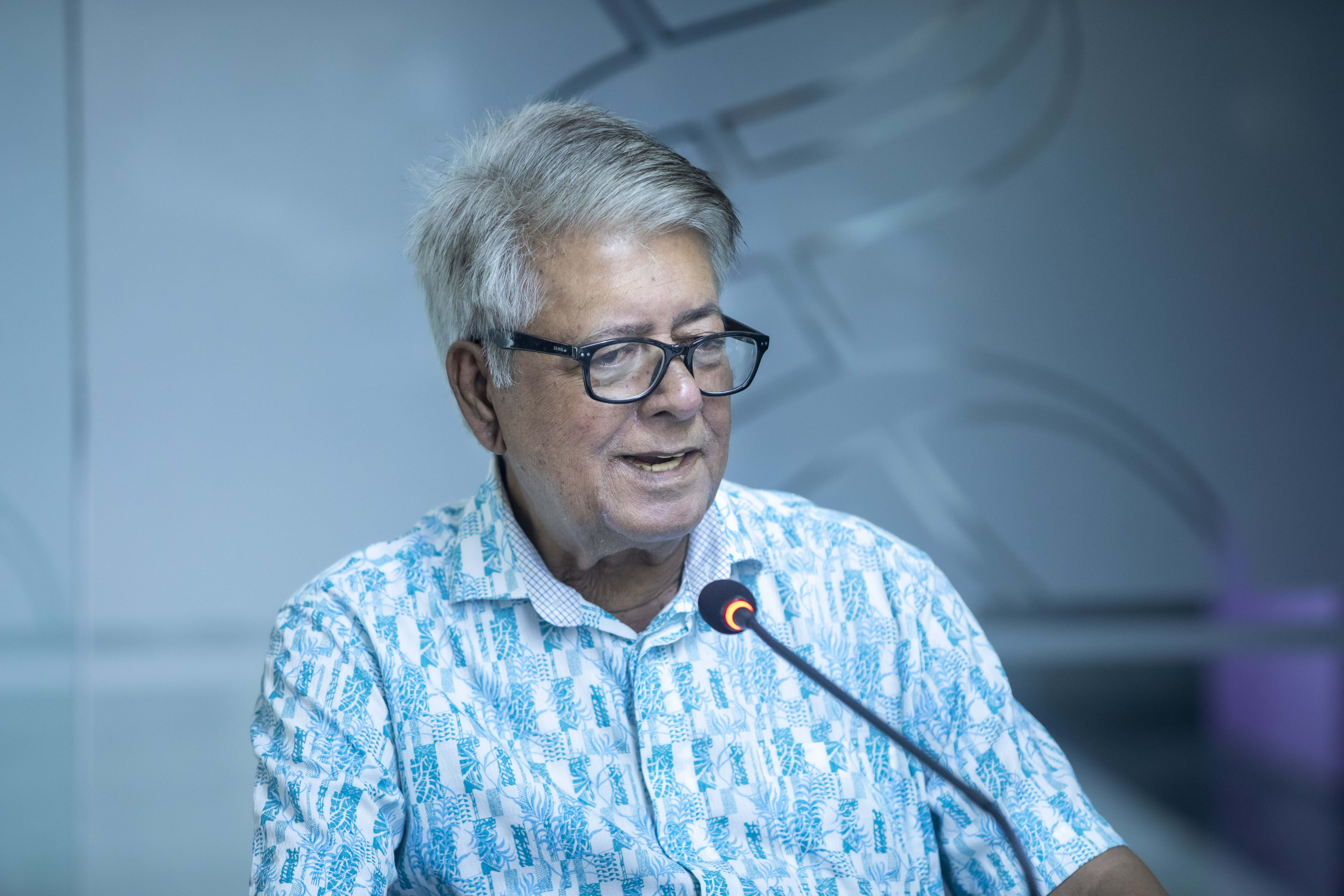
The discussion opened with nostalgia for an era when television was a pillar of society. Mamunur Rashid recalled a time when TV dramas did not just entertain—they actively shaped the cultural sensibilities and taste of the middle class.
"In those days, what appeared on screen in the evening became a cultural touchstone," Rashid noted. "Audiences watched and were profoundly inspired."
He credited legendary, intellectually refined figures like Mustafa Monwar, Abdullah Yusuf Imam, and Mustafizur Rahman for fostering an environment of creative freedom across writing, music, direction, and acting. It was an era of healthy competition, producing landmark studio broadcasts and children’s masterpieces like Monwar’s “Mukhora Romoni Boshikoron”.
As the years progressed, the industry collectively pushed for private channels to break the state monopoly and give outside directors a platform. That evolution arrived with the launch of Ekushey Television (ETV), which revolutionised both news and drama production.

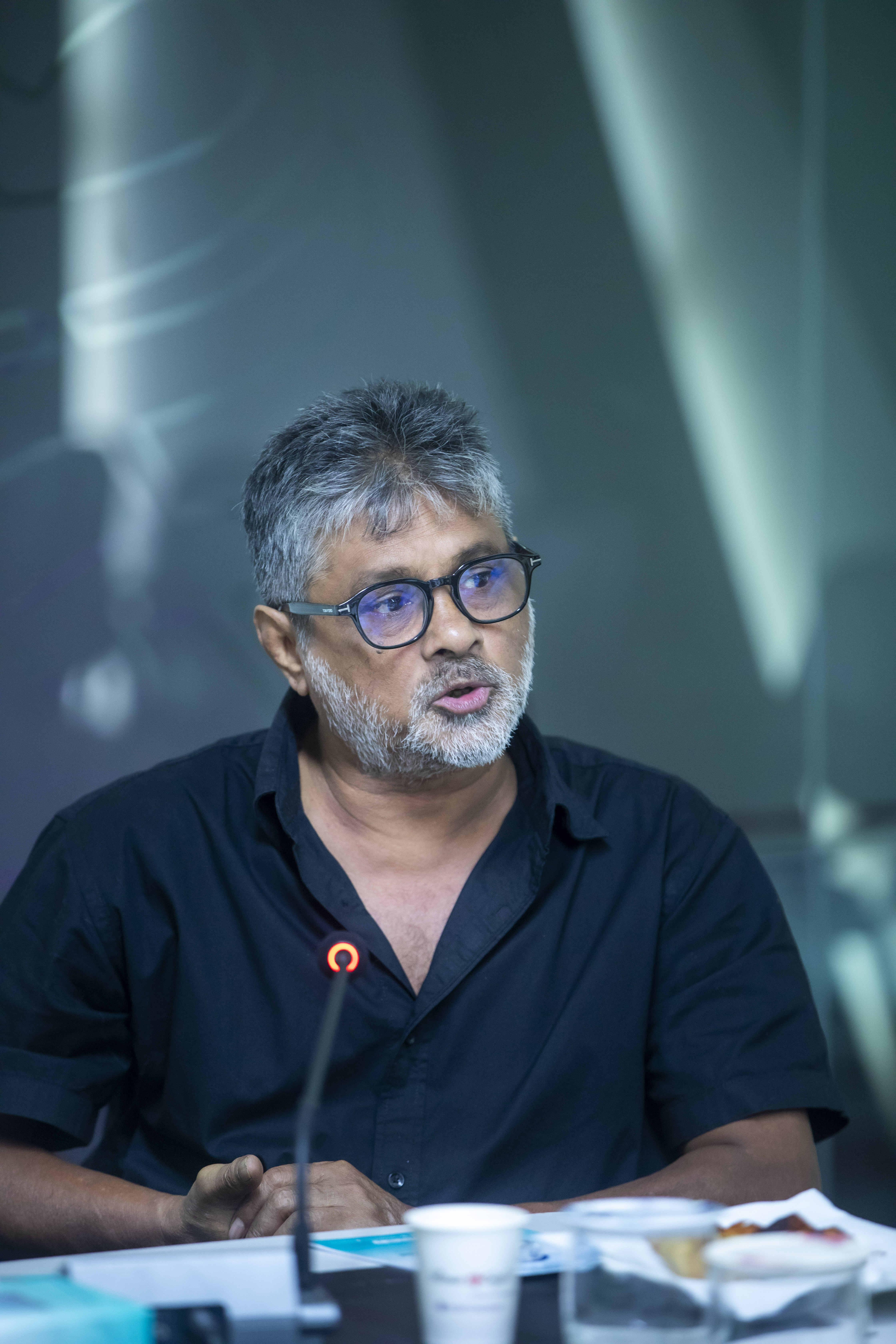
Gias Uddin Selim reflected on how ETV launched his own career with a highly praised seven-episode drama. However, he pointed out a structural shift that eventually triggered the industry's decline: the disappearance of the "Head of Programme" and the rise of the "Head of Sales".
"We used to have programme heads who understood art and made editorial decisions. Directors held total creative control over casting. But when the Marketing and Sales departments began dictating creative affairs, things were never the same."
According to Selim, television became self-destructive, driven by owners chasing immediate cash profits. This corporate shift severely eroded production quality:
• The Death of the Script: Many modern dramas no longer require proper scripts or technical support; instead, groups show up to locations and rely heavily on improvised dialogue.
• Stagnant Budgets: "In 2010, we received around one lakh taka for a 20-minute episode," Selim revealed. "Today, production costs have multiplied, but the television budget remains exactly the same, whereas YouTube productions enjoy much higher backing."
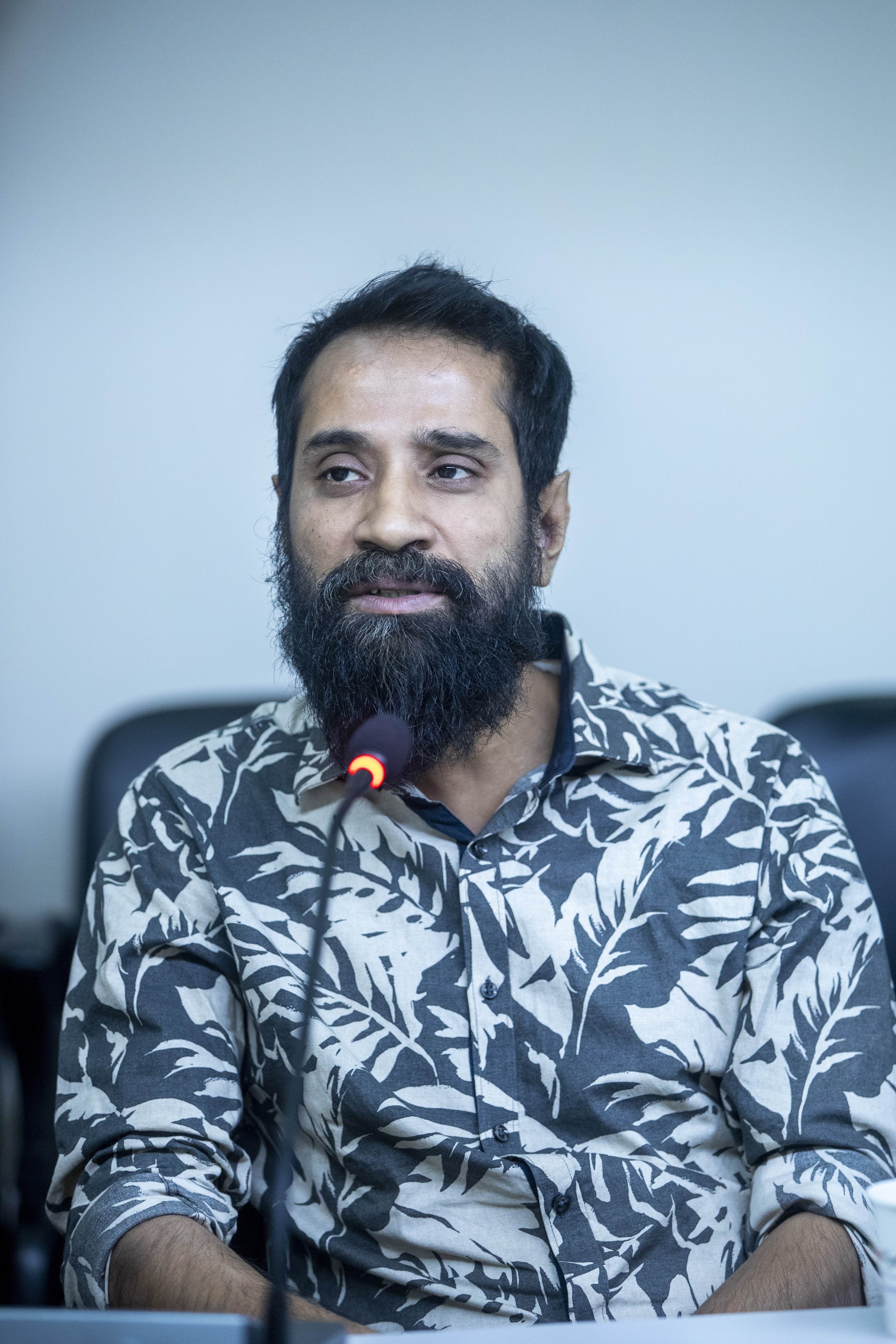
Animesh Aich turned the focus toward the systematic dilution of artistic integrity, pointing out how corporate interference has stripped the medium of its poetic identity. "Channel-level policy needs to be properly set," Aich asserted. "There is a tendency to say things like, ‘This actor or that actor must be cast in a drama,’ and that is highly problematic." He lamented how this mandate-driven approach has infected even the naming of modern productions, contrasting today's formulaic choices with the evocative storytelling of the past.
"Look at the titles of dramas today. We grew up watching beautifully titled productions like ‘Dokhiner Janala’. During Mamunur Rashid’s time, there were deeply meaningful dramas like ‘Somoy Oshomoy’. Today, we are losing that literary depth."
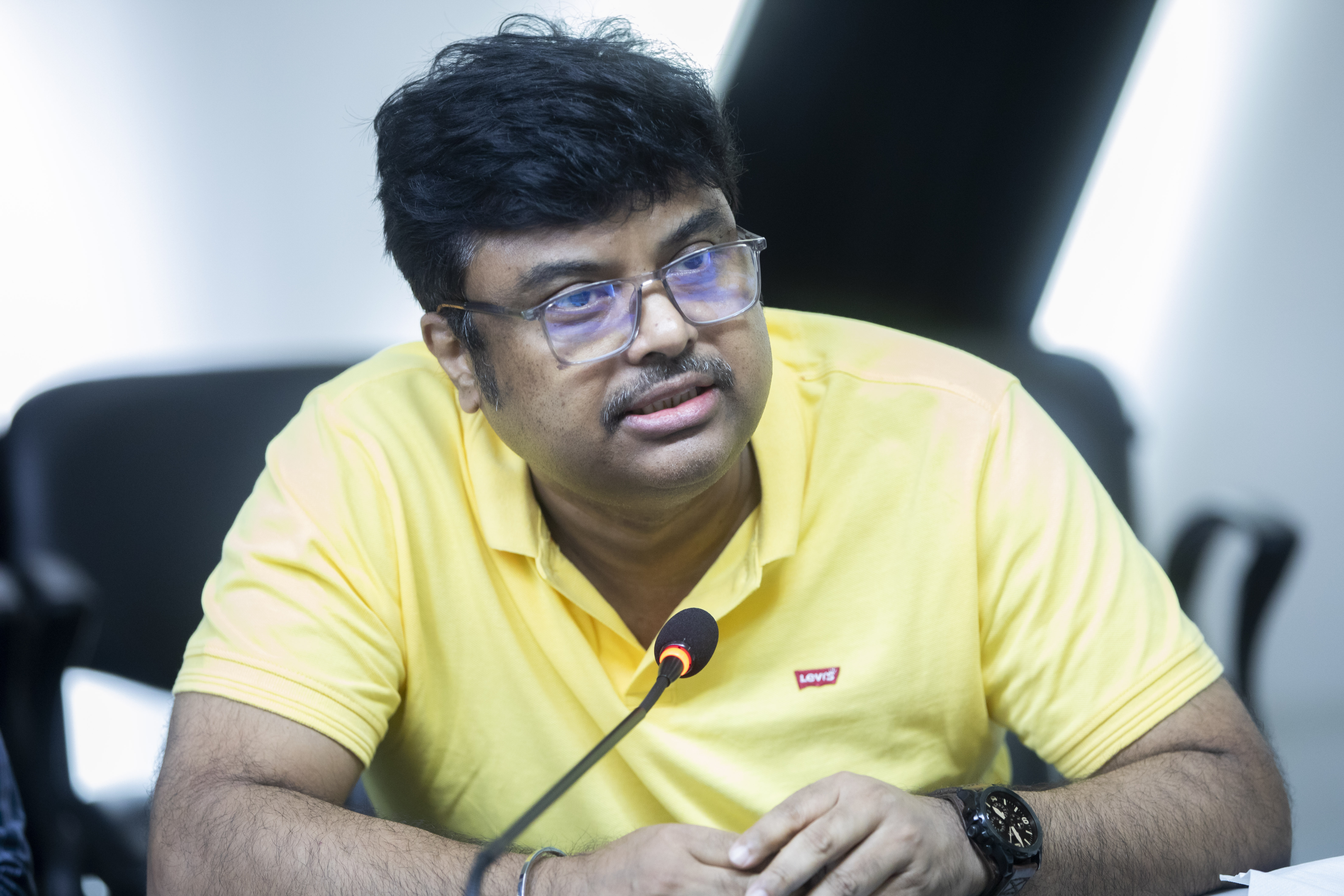
Director Sohel Arman spoke passionately about the loss of literary value and artistic pride. "We learned the craft by watching masters like Mamunur Rashid," Arman said. "When I wrote my first drama for BTV in 1992, I couldn't sleep for ten nights. I was terrified because I knew the country's leading intellectuals would be scrutinising my script."
When ETV was shut down, Arman felt his directing rhythm break. Soon, the industry became obsessed with a new metric: algorithms and "views".
"Constantly chasing 'views' makes me feel like I am losing my own identity," Arman confessed. He questioned how low-quality, viral-chasing content manages to secure corporate sponsorship at all. "In Bangladesh, we only realise something is broken after it has been completely destroyed."
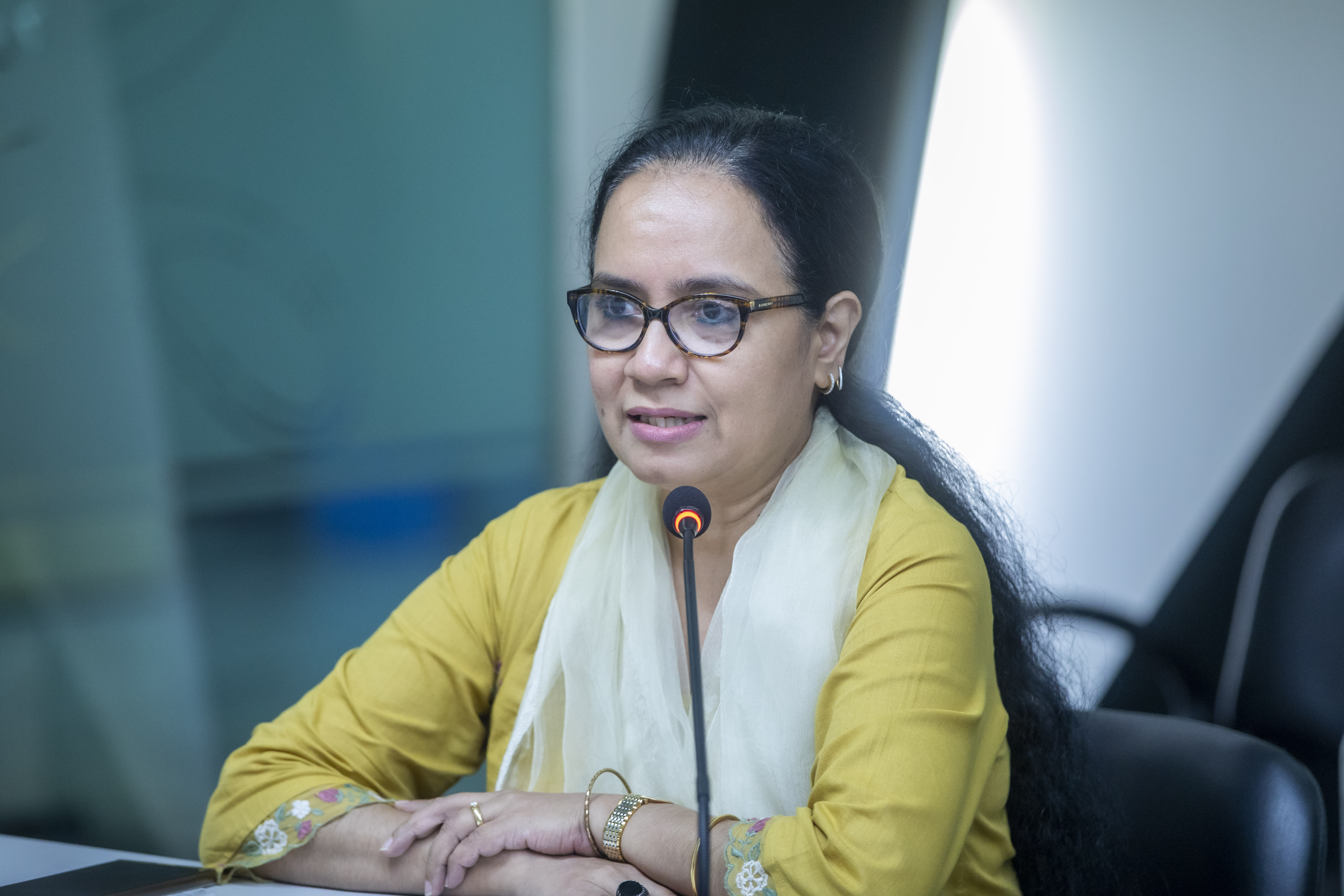
Tropa Majumdar offered a more systemic view, urging the room not to place the blame entirely on creative failure. She pointed out that today's industry actually has an abundance of talented, intelligent creators—they just aren't working in television.
"Television channels are fighting a losing battle to survive financially. Because budgets are starved, top-tier directors and actors are moving away, leaving television with lower-quality productions."
She noted the stark contrast with Over-The-Top (OTT) streaming platforms, posing a vital question: Why is high-quality work thriving on OTT while television is held back? For Majumdar, the root of the problem is a severe shortage of strong storytelling. "No matter how skilled a filmmaker is, without a compelling script, you cannot create anything meaningful."
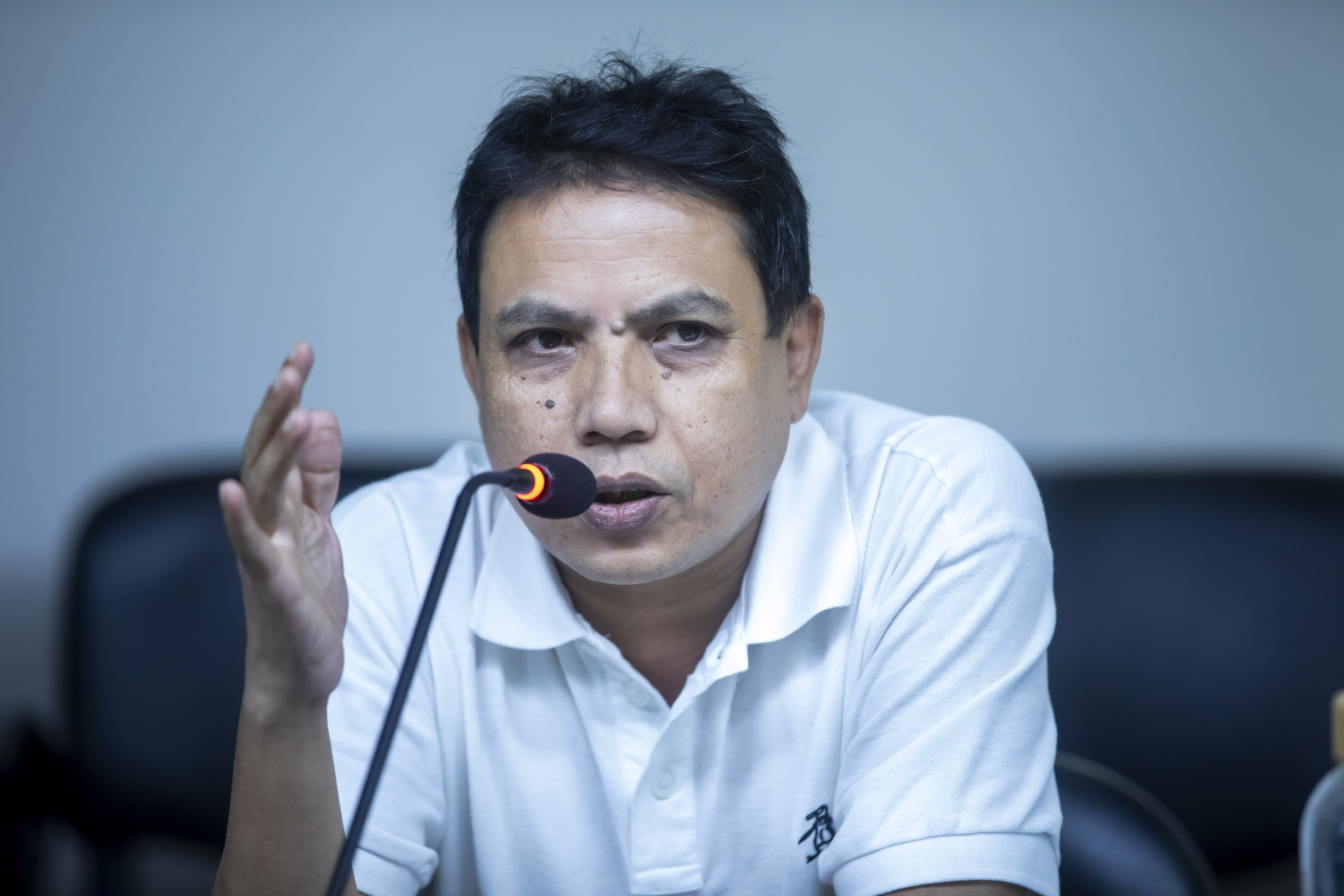
Aranyo Anawer agreed that viewing habits have fundamentally shifted. Traditional TV and newspapers are losing ground to digital giants like Hoichoi and Chorki. However, he emphasised that major stars are no longer a prerequisite for success.
"Look at Chorki’s web series ‘Shaaticup’. It had no big stars or famous director, but it was brilliant. Strong content is the only thing that truly matters now."
The toll of this systemic decline is deeply personal for today's directors. Shakal Ahmed candidly admitted that the current state of the industry gives him literal nightmares.
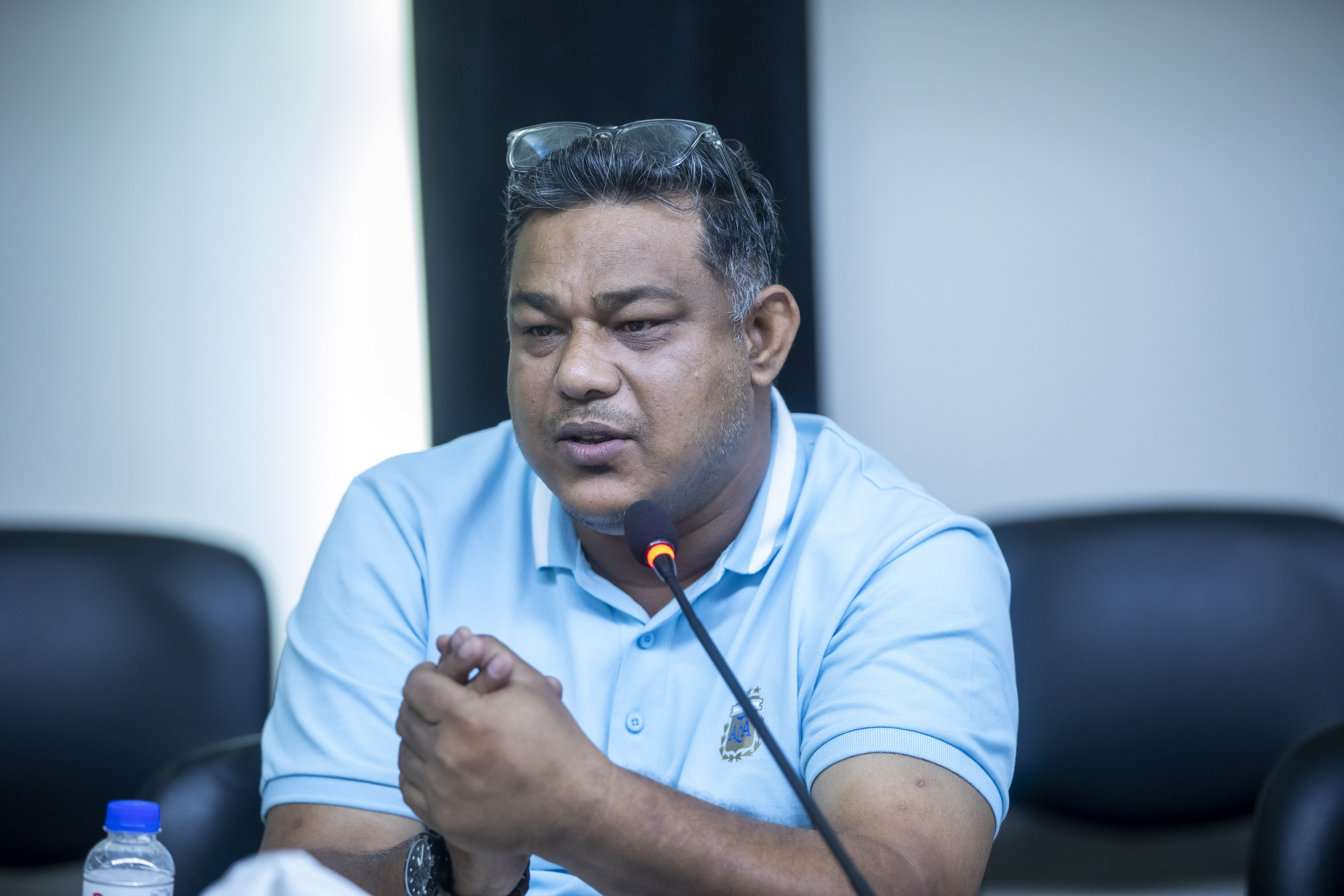
"I ask myself what I am doing and why I am doing it," Ahmed shared. "It is deeply distressing to hear that marketing departments are demanding specific actors, or that producers are insisting on certain makeup artists and cameramen. We keep making dramas to make a living, but the environment feels completely wrong."
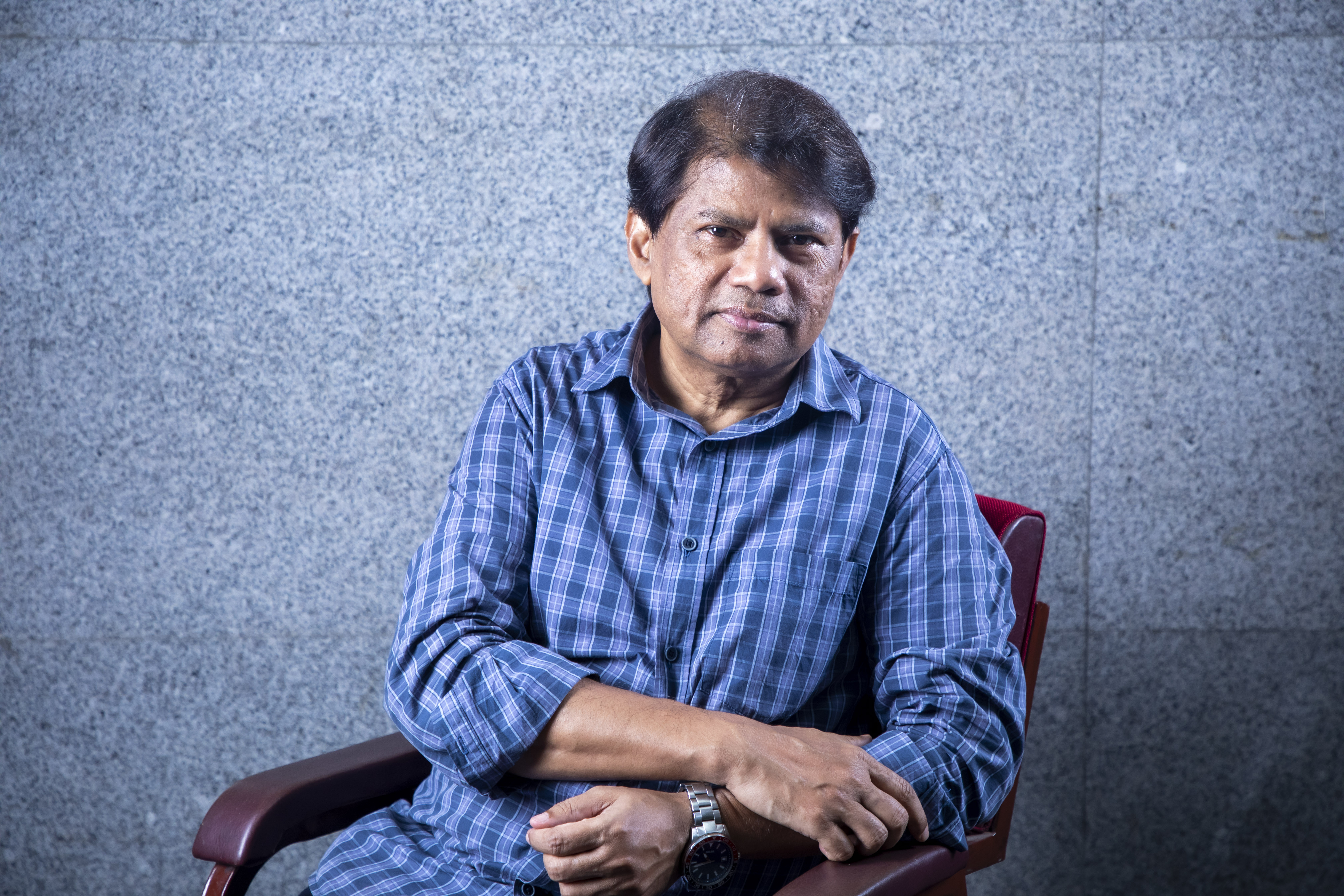
Is television still necessary?
The roundtable closed with a fundamental question from Tropa Majumdar to the veteran Mamunur Rashid: Does television even need to exist anymore?
Rashid’s answer was an emphatic yes.
"Television remains vital because it is a massive employment engine," Rashid asserted, noting that a single TV serial can support the livelihoods of roughly a hundred families.
"In our country, we struggle to manage vehicles at a picnic spot, yet within just 30 years, we have successfully expanded a massive ecosystem of directors, producers, and actors."
However, saving the medium requires addressing two core flaws:
• The Disappearance of Craft: Rashid lamented that the industry has entirely abandoned the essential practice of script rehearsals, which used to take up to four days per project.
• The Problem of Ownership: "The biggest issue is that most station owners have zero background in media," Rashid concluded. "With rare exceptions like Faridur Reza Sagar, television channels are run by businessmen rather than media professionals."

If television is to survive, the stars agreed, it must wrestle control back from the sales departments, reinvest in the art of storytelling, and remember the cultural responsibility it once carried so proudly.
 For all latest news, follow The Daily Star's Google News channel.
Comments