


When did Television start failing?
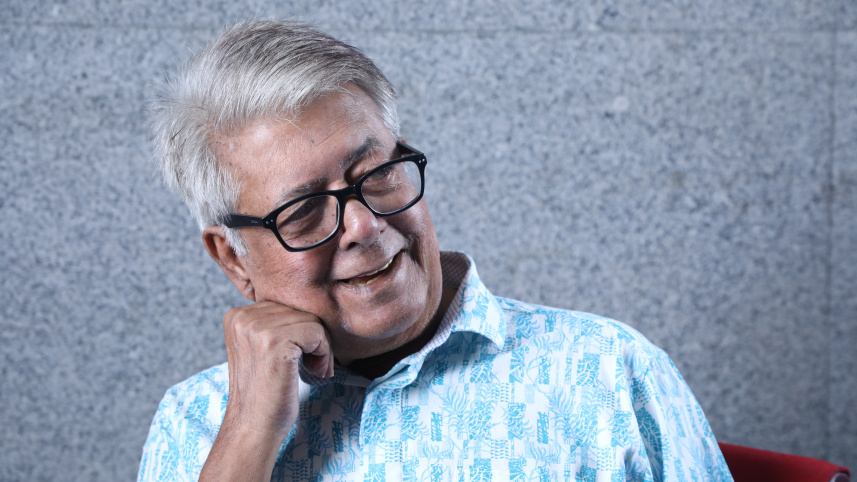
For Mamunur Rashid, television is more than just a medium—it is a living archive of a time when dramas played a vital role in shaping society. Having been part of television’s golden era and still actively working in the industry, the veteran actor became nostalgic as he reflected on a period when television was a cultural pillar for the nation’s middle class.
“During Eid, I became sick, so I couldn’t watch any dramas this time. But the dramas I watched during previous Eids left me disappointed. It often felt as though content was being forced in the name of entertainment. Even the titles are such that one can understand the entire content just by looking at the name,” he said.

Looking back at the early years of television drama in Bangladesh during the Pakistan era, Mamunur Rashid recalled an industry that was still finding its footing.
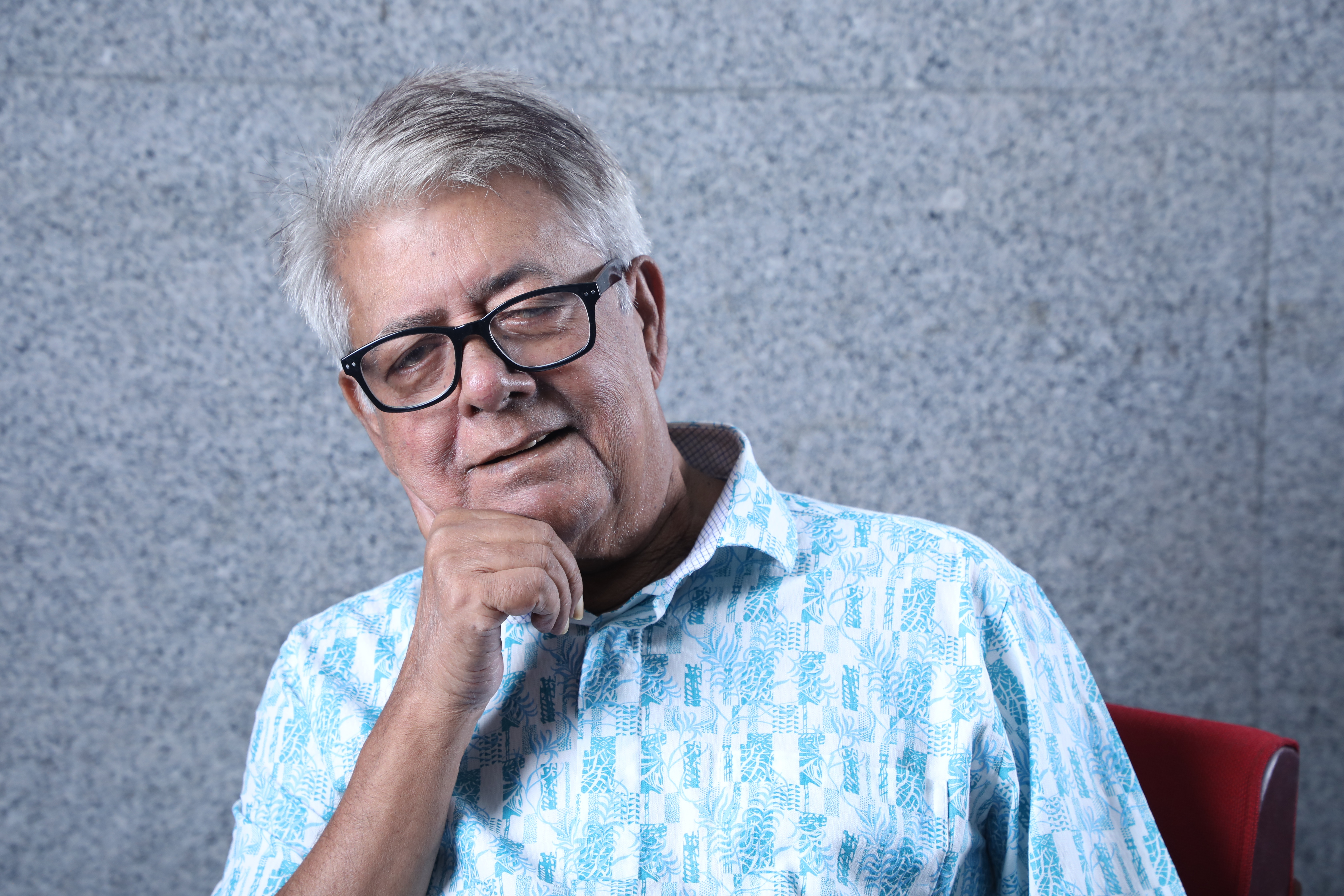
“Many people had no idea about scriptwriting, and there was uncertainty about how the acting would be. Yet somehow everything worked perfectly. For middle-class families, television dramas were a huge part of entertainment. They influenced fashion, mindsets, and even home decor,” he said.
The actor fondly remembered working alongside cultural stalwarts such as Mustafa Monwar, Abdullah Yusuf Imam, and Mustafizur Rahman, whom he credits for nurturing an atmosphere of artistic freedom and innovation.
“At that time, there was no censorship. Writers had the freedom to experiment with their creativity. All these directors wanted to do was make people aware. The Pakistan government had imposed restrictions saying women could not wear a tip on their foreheads. But Dhaka-centred television did not follow that directive. Actresses continued to wear tip and saree on screen,” he recalled.
For Mamunur Rashid, that period was marked by healthy competition and a shared commitment to meaningful storytelling. He remembers it as an era that produced landmark studio broadcasts and memorable children’s productions, including Mustafa Monwar’s “Mukhora Romoni Boshikoron”.
“After the end of the Pakistan regime, many of those restrictions were lifted. However, censorship returned during the Ershad era, preventing us from fully enjoying creative freedom. Despite that, we were introduced to many brilliant writers and actors. Thanks to the dedication of producers and directors of that time, audiences were able to enjoy quality content,” he said.
According to the veteran actor, the arrival of private television channels brought another significant transformation to the industry.
“When private television began, Ekushey TV (ETV) played a major role in entertainment. Its arrival significantly improved the quality of content. Both television news and dramas witnessed remarkable progress during that period,” he said.
However, he believes the quality of television dramas has declined over time.
Mamunur Rashid said that television remains necessary. He noted that such systems exist in countries like Sri Lanka and many neighbouring nations, as a single television serial can support the livelihoods of around a hundred people.
“In our country, we cannot even properly manage vehicles at picnic spots, yet there are so many directors, producers, and actors. This expansion has taken place within just 30 years.
Therefore, television is still necessary,” he said.
He also said that earlier, television dramas used to have around four days of rehearsal, whereas now rehearsal has almost disappeared.
He pointed out that one of the main problems of television stations lies in ownership. Most owners are not directly involved in the media profession. Only a few, such as Faridur Reza Sagar and a handful of others, are connected to the industry, but most owners are not.
 For all latest news, follow The Daily Star's Google News channel.
Comments