


Nine years without Nayak Raj Razzak, Bangladesh’s pioneering superstar
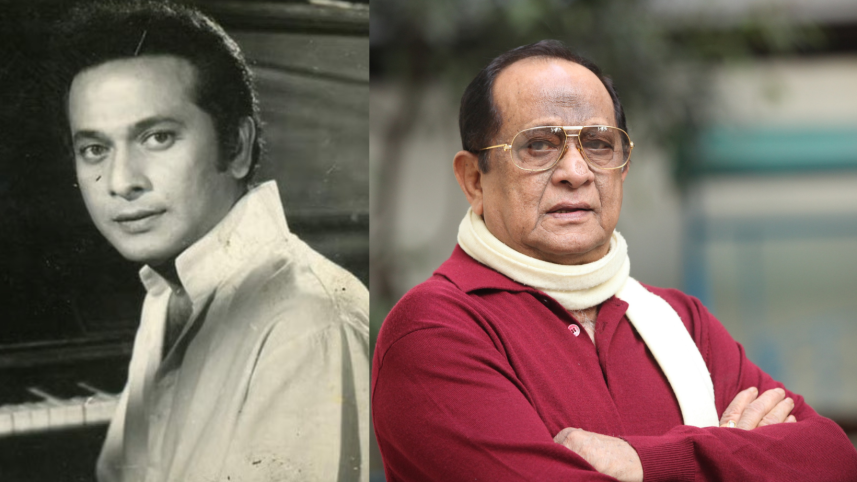
Nayak Raj Razzak remains one of the most beloved figures in the country’s cinematic history.
Being a versatile actor, he excelled in romantic films as well as socially themed dramas, while also making his presence felt in folk-oriented cinema. Over the course of his career, he received the National Film Award multiple times, the Independence Award and a Lifetime Achievement Award.

Marking his 9th death anniversary, The Daily Star looks back at the life and legacy of Nayak Raj Razzak.
A journey that began with almost nothing
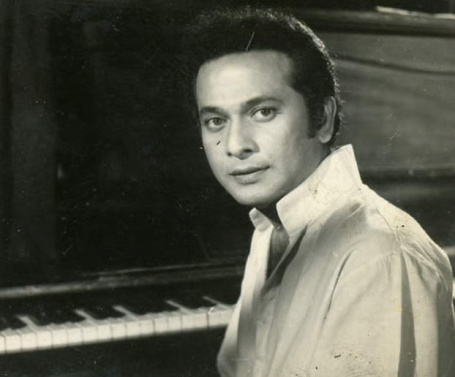
On April 26, 1964, Razzak arrived in Dhaka from Kolkata and stepped off a train at Kamlapur Railway Station. Accompanying him were his wife, Khairunnesa, and their young son, Bapparaj.
The family initially lived in a rented house in Kamalapur for Tk 30. For Razzak, the city marked the beginning of a difficult chapter that was filled with uncertainty, struggle and relentless perseverance.
He did not become a leading actor overnight. In the early years, he appeared in small roles and worked as an assistant director. Those years of hardship would eventually become an important part of the story of one of Bangladesh’s greatest film stars. Razzak spoke about those struggles in several interviews during his lifetime.
Before Dhaka, a life of dreams and uncertainty
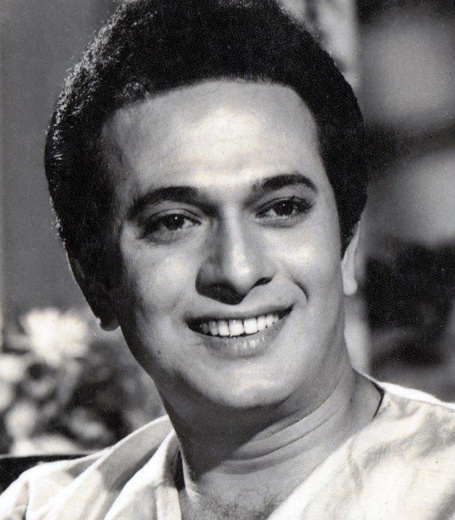
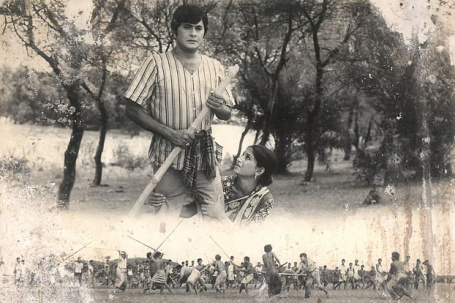
Razzak’s journey in the world of cinema had begun long before his arrival in Dhaka. He worked in Kolkata for a period at a very young age. He travelled to Mumbai in pursuit of a career in cinema. He spent two months there, but the opportunity he had hoped for did not materialise. He eventually returned to Kolkata, where he worked for some time and also performed in theatre.
He married at the age of 19. His wife was Khairunnesa, whom Razzak affectionately called Lokkhi. She remained a constant source of support throughout his life and career.
When he came to Dhaka, one of his few resources was a letter. Kolkata-based playwright Piyush Bose had written a letter to Abdul Jabbar Khan on his behalf. After receiving the letter, Abdul Jabbar introduced Razzak to several directors, but meaningful opportunities remained elusive.
He eventually sent Razzak to Iqbal Films, where “Ujala” was being produced. There, Razzak found an opportunity to work as an assistant director. This opportunity gave him a foothold in an industry where he would eventually make history.
‘Behula’: The turning point
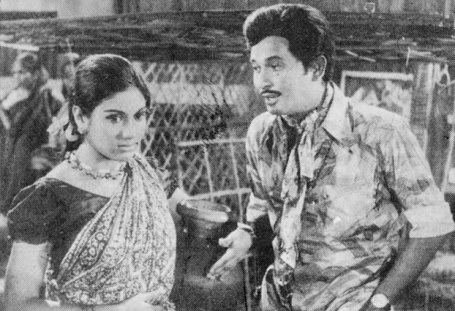
For years, Razzak moved between small acting roles and work behind the camera. Yet his dream of becoming a leading actor never faded. His breakthrough finally came when legendary filmmaker Zahir Raihan cast him in the leading role in “Behula”, opposite Suchanda.
Released to widespread acclaim, “Behula” a turning point in his career. From that moment, the trajectory of Bangladeshi cinema began to change with the emergence of a new star.
Razzak soon became one of the industry’s most sought-after actors. Zahir Raihan later cast him opposite Suchanda in “Anowara”, further cementing his position among the country’s leading stars.
Razzak-Kabori: A pair for the ages
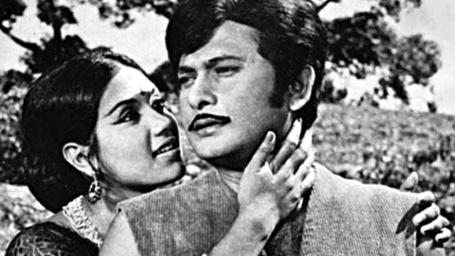
Razzak’s versatility allowed him to move effortlessly between romance, social drama and folk-based narratives. He appeared opposite many of the leading actresses of his era, including Kabori, Shabana, Babita, Rozina and Anjana. But among all his screen pairings, none became as iconic as Razzak and Kabori.
The duo first appeared together in “Moina Moti” in 1968, and their chemistry captivated the audiences. Their subsequent films, including “Neel Akasher Nichey”, “Abirbhab”, “Banshori” and “Rangbaaz”, further strengthened their popularity.
For an entire generation, Razzak and Kabori came to represent the golden age of romance on the Bangladeshi screen.
The actor who became a producer
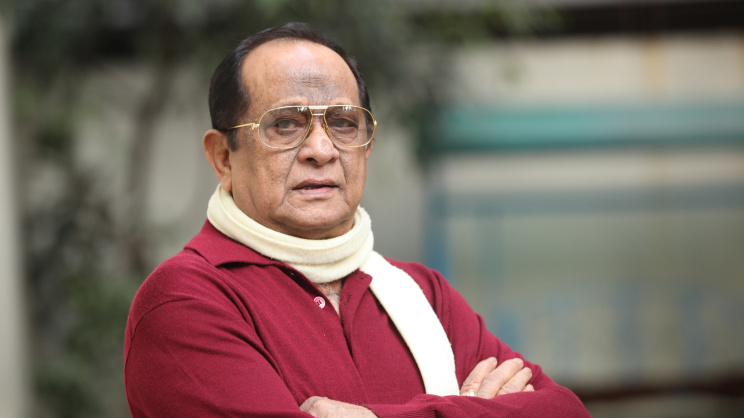
Razzak’s contribution to cinema extended beyond acting. At the height of his career, he ventured into film production and established Rajlokkhi Productions. Through the production house, he produced several films and created opportunities for other artistes while continuing to work as a leading actor himself.
 For all latest news, follow The Daily Star's Google News channel.
 “Satbhai” proved to be a major commercial success and marked an important milestone in his career as a producer. His final production was “Moron Niye Khela”, released in 1998. He eventually closed Rajlokkhi Productions in 2000.
Razzak’s career spanned decades of profound change in Bangladesh’s film industry. From his early struggles in Dhaka to becoming one of the defining stars of the country’s cinema, his journey reflected both personal perseverance and the evolution of Dhallywood itself.
He was not merely a successful actor. He was a cultural icon whose screen presence, performances and songs became part of the collective memory of generations.
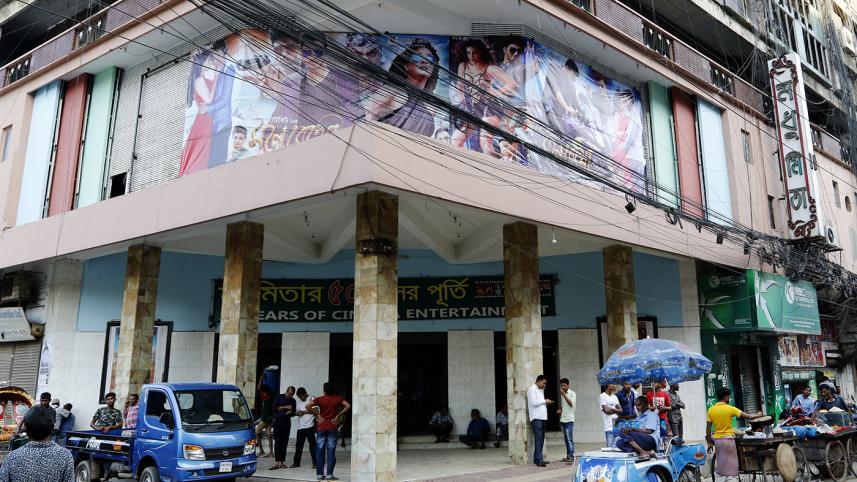
Nine years after his death, Razzak may no longer be present on the silver screen, but his work continues to live on. His films are revisited, his songs are remembered, and his name remains inseparable from the golden era of Bangladeshi cinema.
Comments